Lobularia, Genus, spp., Multiple species,
- Genus
- Multiple species
sweet alyssum
Mediterranean Basin and the Canary Islands
Overview
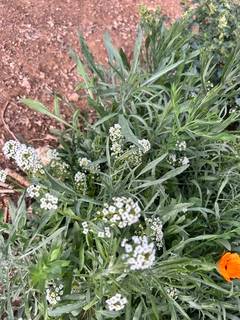
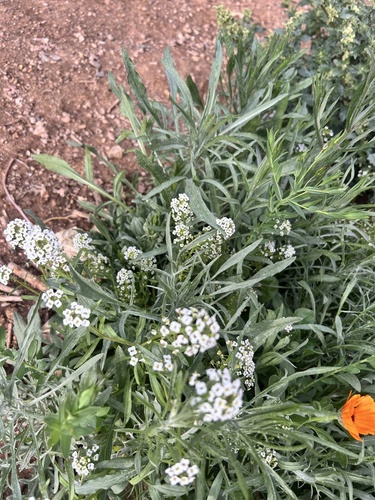
Lobularia is a small genus of about five low-growing annual and short-lived perennial plants in the mustard family (Brassicaceae), native to the Mediterranean Basin and the Canary Islands. Sweet alyssum L. maritima is the species grown in gardens; it forms a spreading mound 3-10 inches (8-25 cm) tall and 6-12 inches (15-30 cm) wide, clothed in narrow grey-green leaves. From spring until autumn the plants carry dense, rounded clusters of tiny four-petalled flowers, each about 0.1 inch (2-3 mm) across, in white, pink, or purple, with a strong honey scent that draws bees and hoverflies. In mild climates Lobularia can persist for several years, but in cold regions and in summer heat it is short-lived and is usually grown as an annual. Flowering slows during hot spells and resumes as temperatures cool, and a midseason shearing renews the display. The plants self-sow freely where conditions suit them, which can lead to seedlings spreading beyond the intended spot.
Native Range
Lobularia is native to the Mediterranean Basin, from southern Europe and North Africa to the Middle East, and to the Canary Islands. Sweet alyssum L. maritima has naturalized along coasts and roadsides in many mild-climate regions.Suggested Uses
Used as edging, in containers and hanging baskets, and as a temporary groundcover or filler between paving and taller plants, spaced 6-10 inches (15-25 cm) apart. The honey-scented flowers draw bees and hoverflies into vegetable and pollinator gardens. Trailing forms spill over the edges of pots and walls.How to Identify
Appearance
Size & Dimensions
Height3" - 10"
Width/Spread6" - 1'
Bloom Information
Lobularia blooms from spring through autumn, pausing in midsummer heat and resuming as the weather cools; in frost-free areas it can flower nearly year-round. The honey-scented clusters open over many weeks. Shearing after the first flush brings a fresh wave of bloom.
Detailed Descriptions
Flower Description
white, pink, or purpleFoliage Description
grey-greenGrowing Conditions
Sun Requirements
Requires 6-12 hours of direct sunlight daily
• Full Sun: 6+ hours of direct sunlight
• Partial Shade: 3-6 hours of direct sunlight
• Full Shade: Less than 3 hours of direct sunlight
Care & Maintenance
Care Guide
Grow Lobularia in full sun and light, free-draining soil with a pH around 6.0-7.5; it tolerates sandy and chalky ground and coastal salt. Sow seed on the surface in early spring, or set out transplants after the last frost, spacing plants about 8 inches (20 cm) apart. Water during dry spells, though settled plants withstand short droughts. Shearing the plants back by about a third after the first flush renews flowering and tidies straggly growth. Rich, wet soils produce soft growth and few flowers. Plants are short-lived in heat and humidity.Pruning
Shear the whole plant back by one-third to one-half after the first heavy flush to remove spent flowers and prompt rebloom. Repeat through the season as flowering fades. No other pruning is needed.Container Growing
Suitable for container growing
Toxicity
Non-toxicPlanting Guide
Planting Methods & Timing
Planting Method
both
Indoor Start
6 weeks before last frost
Direct Sow Timing
early spring around the last frost
Days to Maturity
50–70 days
Plant Spacing
8 inches