Image 1 of 20
1 / 20
Plant Reference
Liriodendron, Genus, tulipifera, Species,
- Genus & species
tulip tree
Eastern North America from Ontario and Massachusetts south to Florida and west to Wisconsin and Arkansas; rich moist cove forests, bottomlands, and mesic slopes
Overview
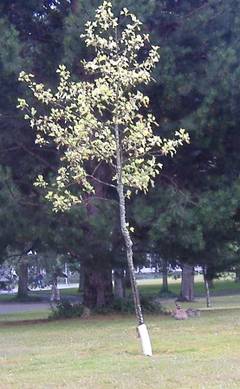
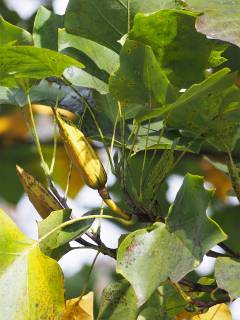
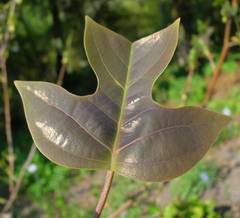
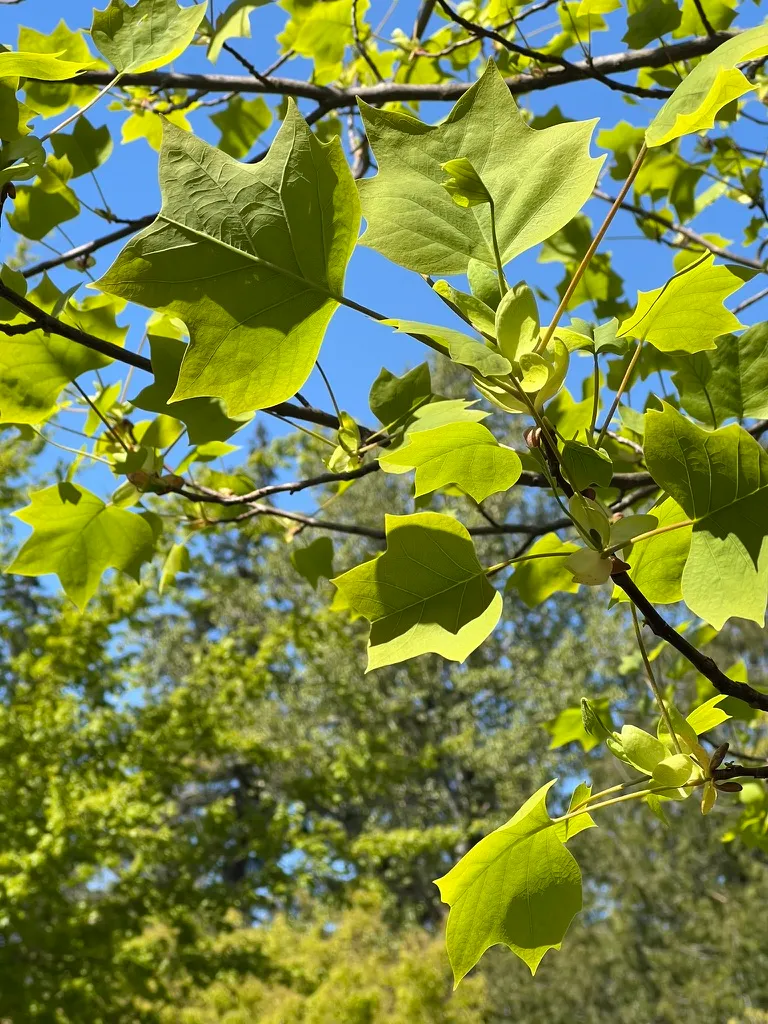
Liriodendron tulipifera is a very large upright deciduous tree in the family Magnoliaceae reaching 60–90 feet (18–27 m) tall and 30–50 feet (9–15 m) wide in cultivation and exceeding 150 feet (45 m) on the deep cove-forest soils of the southern Appalachians, which makes it the tallest eastern North American hardwood. The straight columnar trunk lifts the canopy high above the ground and carries few lower branches on mature trees. Leaves are alternate, medium green, and carry a 4-lobed shape with a flat or notched apex that is not matched by any other North American tree; the shape is the origin of the common name tulip tree, referring to the silhouette of the leaf rather than the flowers. Yellow-green tulip-shaped cup flowers 2 inches (5 cm) across with six tepals and an orange band at the petal base open in May and June across a 2-week bloom period, but the flowers appear high in the canopy and are not visible from ground level until the tree is 15 or more years old. Cone-shaped aggregate fruit 2–3 inches (5–7 cm) long develops through summer and breaks apart through fall and winter to release winged samaras. Fall color is a clean yellow to gold that lasts about 2 weeks before leaf drop. Limitation: the mature size of 60–90 feet (18–27 m) calls for a residential lot of at least a quarter acre with 30–50 feet (9–15 m) of lateral clearance from buildings and utilities, the species is not drought-tolerant and inner leaves yellow and drop early during summer dry periods, and aphid populations on the foliage produce honeydew that drips from the canopy and deposits a sticky residue followed by sooty mold on cars, patios, decks, and understory plantings below the tree.
Native Range
Native to eastern North America from Ontario and Massachusetts south through the Appalachians to northern Florida and west to Wisconsin and Arkansas. Grows in rich moist cove forests, bottomlands, and mesic slopes at low to middle elevations and reaches its largest size on deep alluvial soils in the southern Appalachian coves, where individual trees can exceed 150 feet (45 m) tall and 25 feet (7.5 m) in trunk circumference.Suggested Uses
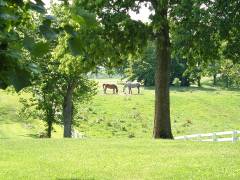
Used as a shade tree and canopy specimen in large residential landscapes, parks, and open lawns at 30–50 foot (9–15 m) spacing where the mature size and the straight columnar trunk will have room to develop without crowding buildings or utilities. The 4-lobed tulip-shaped foliage, the yellow fall color, and the tulip-shaped flowers of mature trees supply three seasons of interest. Small urban lots, planting positions near buildings or overhead utilities, and positions below which parked cars or patio seating would be exposed to summer aphid honeydew are unsuitable.How to Identify
Appearance
Size & Dimensions
Height60' - 90'
Width/Spread30' - 50'
Bloom Information
Yellow-green tulip-shaped cup flowers 2 inches (5 cm) across with six tepals and an orange band at the petal base open in May and June over about 2 weeks. The flowers are borne high in the canopy of mature trees and are usually not visible from ground level until the tree reaches 15 or more years old. Bees and hummingbirds visit the flowers for the abundant nectar. Cone-shaped aggregate fruit 2–3 inches (5–7 cm) long develops through summer and releases winged samaras through fall and winter.
Detailed Descriptions
Flower Description
yellow-green tulip-shaped cup flowers 2 inches (5 cm) across with 6 tepals and an orange band at the petal base; borne high in the canopy of mature treesFoliage Description
medium green; alternate, 4-lobed with a flat or notched apex (tulip-shaped) and entire margins, 3-8 inches (7-20 cm) across; turns yellow to gold in fallGrowing Conditions
Sun Requirements
Requires 6-10 hours of direct sunlight daily
• Full Sun: 6+ hours of direct sunlight
• Partial Shade: 3-6 hours of direct sunlight
• Full Shade: Less than 3 hours of direct sunlight
Care & Maintenance
Care Guide
Site in full sun with 6–10 hours of direct sun per day in deep well-drained loam with a pH of 5.5–7.0. The species develops a deep taproot on well-drained sites and is not drought-tolerant, so soil moisture through the summer should remain consistent; inner leaves yellow and drop early when soils dry out in late summer. Aphids feeding on the foliage produce honeydew that drips from the canopy, coats the surfaces below with a sticky residue, and supports sooty mold growth, so parked cars, outdoor seating, and patio plantings below the canopy are affected during the summer honeydew period. Very large mature size calls for a residential lot of at least a quarter acre with 30–50 feet (9–15 m) of lateral clearance from buildings and utilities. Hardy in USDA zones 4–9.Pruning
Pruning is done in late winter (February and March) while the tree is dormant. A single strong central leader is developed in the first 10–15 years to build the characteristic straight columnar trunk, and co-dominant leaders can be reduced at the same time. The canopy lifts naturally with age as lower branches self-prune in shade, so routine removal of lower limbs is rarely required. Dead, crossing, or storm-damaged branches can be removed at any season.Pruning Schedule
Prune: February–March
early spring