Limonium, Genus, platyphyllum, Species,
- Genus & species
broad-leaved sea lavender
SE Europe (Romania, Bulgaria, Ukraine, S Russia; dry grasslands, steppe margins, saline soils)
Overview
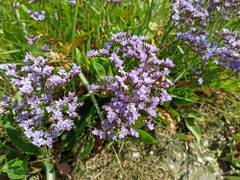
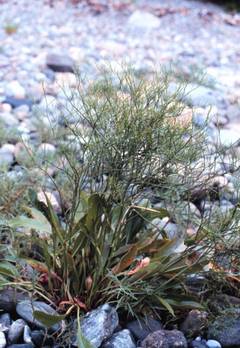
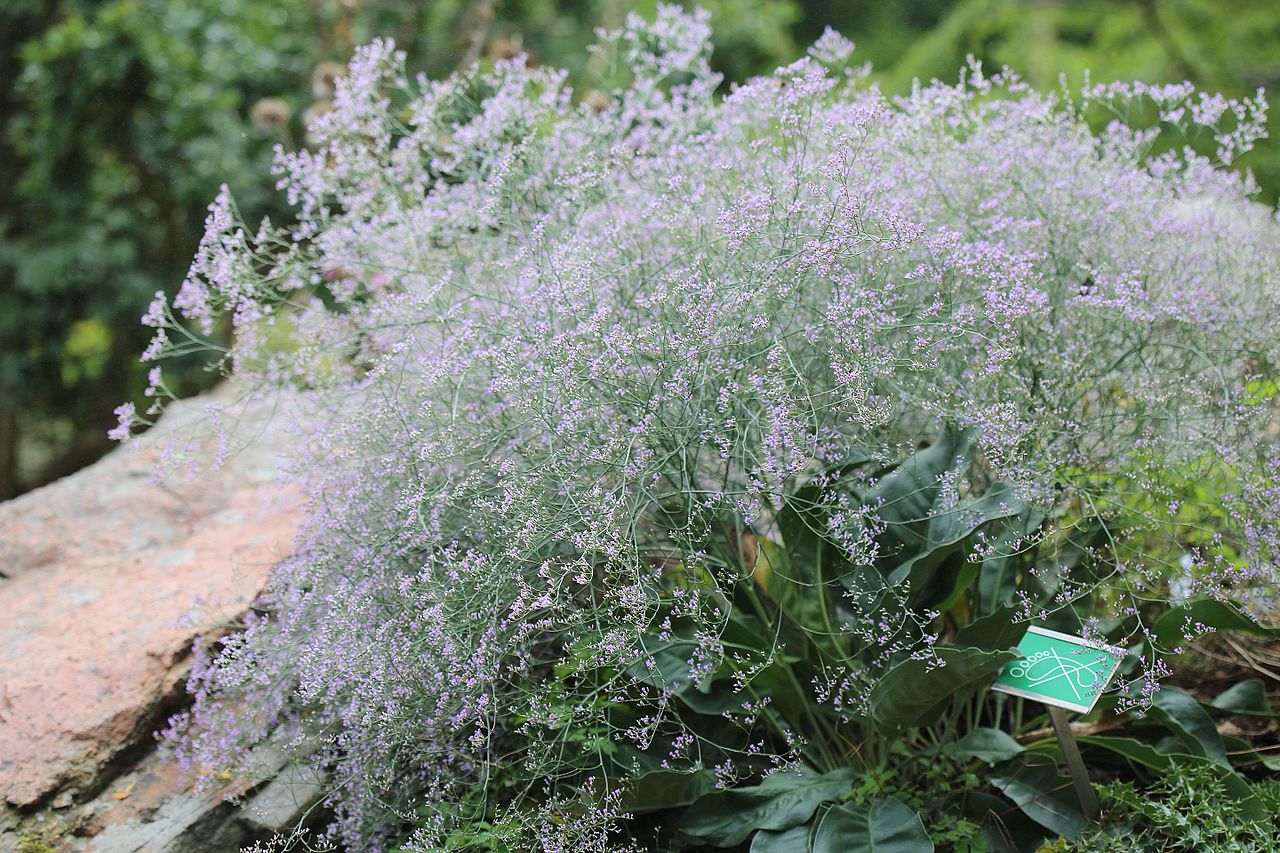
Limonium platyphyllum (synonym Limonium latifolium) is a clump-forming herbaceous perennial reaching 18–30 inches (45–75 cm) tall with a spread of 18–24 inches (45–60 cm). This southeastern European species produces a basal rosette of large leathery oblong to spatulate leaves 6–10 inches (15–25 cm) long and 2–4 inches (5–10 cm) wide that persist through the growing season. In mid-to-late summer, wiry much-branched flower stems emerge from the foliage rosette and develop into broad airy cloud-like panicles of tiny lavender-blue flowers—each individual flower measures 0.1 inches (3 mm) across, but the combined panicle reaches 18–24 inches (45–60 cm) in overall width and creates a diffuse haze of color above the foliage. Papery calyces persist on the stems after the petals drop and hold their lavender coloration through autumn, which supports the species' use as a dried flower. The deep woody taproot makes established plants difficult to transplant or divide, so the species is sited once and left in place. Growth rate is slow. Hardy to zone 4.
Native Range
Limonium platyphyllum is native to southeastern Europe—Romania, Bulgaria, Ukraine, and southern Russia—growing in dry grasslands, continental steppe margins, and inland saline soil pockets. The native ecology on dry alkaline and saline soils translates directly to garden tolerance of lime-rich positions, coastal salt spray, and drought.Suggested Uses
Planted in perennial borders, gravel gardens, coastal plantings, and cutting or dried-flower gardens at 18–24 inch (45–60 cm) spacing in zone-4-and-warmer gardens. Broad airy flower panicles create a diffuse cloud-like textural layer above lower plantings and soften the visual density of solid-flowered companions nearby. Flowers air-dry on the stem without treatment and hold their color through weeks of hanging storage, which supports heavy use in dried arrangements and craft projects. Tolerance of coastal salt spray, poor soils, and alkaline conditions fits the species to difficult garden positions where most perennials fail. Permanent siting is required because the deep taproot cannot be moved once established. Slow first-year establishment means the species' mature effect develops across 2–3 growing seasons. Crown rot in wet winter soils and heavy clay are poor fits for the species.How to Identify
Appearance
Size & Dimensions
Height1'6" - 2'6"
Width/Spread1'6" - 2'
Bloom Information
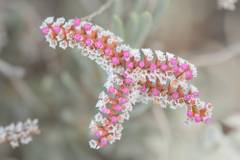
Tiny lavender-blue flowers 0.1 inches (3 mm) across open in broad airy much-branched panicles 18–24 inches (45–60 cm) wide on wiry stems above the basal foliage from July through September. Individual flowers are small but the combined panicle creates a diffuse haze of color through the 6–8 week bloom window. Papery calyces persist on the stems after the petals drop and retain their lavender color through autumn.
Detailed Descriptions
Flower Description
Lavender-blue tiny flowers in broad airy much-branched panicles 18-24 inches wide; papery persistent calycesFoliage Description
Dark green, leathery, oblong to spatulate 6-10 inches long; basal rosetteGrowing Conditions
Sun Requirements
Requires 6-10 hours of direct sunlight daily
• Full Sun: 6+ hours of direct sunlight
• Partial Shade: 3-6 hours of direct sunlight
• Full Shade: Less than 3 hours of direct sunlight
Care & Maintenance
Care Guide
Full sun in average well-drained to dry soil (pH 6.0–8.0) matches the species' cultivation needs. Hardy to zone 4 (−30°F / −34°C). Tolerance of drought, poor soils, salt spray, and alkaline conditions reflects the native dry steppe and saline-soil ecology, and the species handles garden positions where most perennials fail to establish. Sharp drainage is essential—crown rot occurs reliably in wet winter soils and is the primary cause of premature loss in humid-climate gardens. The deep woody taproot makes transplanting unreliable once the plant is established, so the species is sited permanently at planting. Establishment runs slow through the first year, with the plant reaching full flowering scale in year 2 or 3 from initial planting.Pruning
Spent flower stems are cut back in late autumn or alternatively left on the plant through winter for the dried-cloud ornamental effect and cut for indoor dried arrangements. Old basal foliage that browns through winter is removed in early spring as new rosette growth emerges. Division is not attempted—the deep taproot does not recover from disturbance, and divided sections typically fail to re-establish.Pruning Schedule
Prune: March
early spring