Limonium, Genus, spp., Multiple species,
- Genus
- Multiple species
Sea-lavenders
coastal and saline regions worldwide, centered on the Mediterranean
Overview
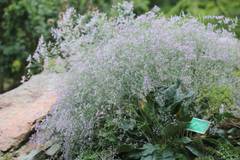
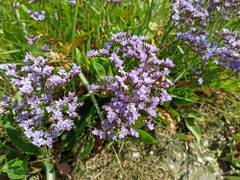
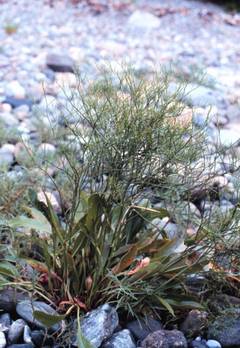
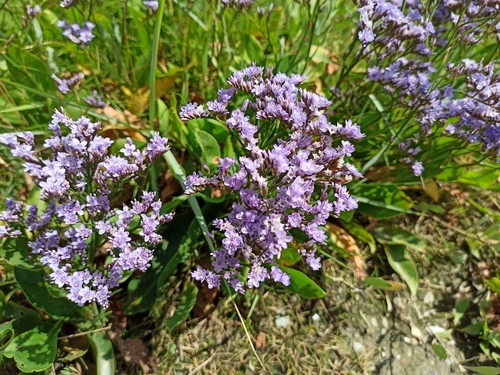
Limonium is a genus of about 120 species of annual and perennial herbs and small subshrubs in the leadwort family (Plumbaginaceae), found on coasts, salt marshes, and dry saline soils worldwide, with many species centered on the Mediterranean. Most form a low basal rosette of leathery, dark green, spoon-shaped leaves and send up wiry, branched flower stems 12 to 36 inches (30 to 90 cm) tall and 10 to 24 inches (25 to 60 cm) wide. The tiny flowers are carried in airy, flat-topped or branched sprays, each bloom surrounded by a papery, colored calyx that holds its color long after the true petals fade; across the genus they range through purple, blue, pink, white, and yellow. This papery quality lets the cut stems of L. sinuatum, known as statice, hold their color when dried. Plants grow in full sun in sandy, sharply drained, often saline soils and tolerate salt spray, wind, and drought. They perform poorly in rich, wet, or shaded sites, where the crowns rot. Perennial species form woody-based clumps over time, while statice and a few others are grown as annuals.
Native Range
Limonium grows on coasts and inland saline soils across the world, with the greatest diversity around the Mediterranean and in central Asia. Several species, including L. carolinianum, are native to the salt marshes of North America.Suggested Uses
Limonium is used in coastal and gravel gardens, sunny borders, and seaside plantings, and is grown widely as a cut and dried flower. It suits xeriscapes and saline soils where many plants fail. Annual statice is grown in rows in cutting gardens and spaced 10 to 12 inches (25 to 30 cm) apart.How to Identify
Appearance
Size & Dimensions
Height1' - 3'
Width/Spread10" - 2'
Bloom Information
Limonium blooms through summer and into fall, mainly June through September, with the papery flower sprays holding color for many weeks. Individual flowers are small and short-lived, but the colored calyces persist long after. Cut stems dry and keep their color for months.
Detailed Descriptions
Flower Description
purple, blue, pink, white, or yellowFoliage Description
dark green, leatheryGrowing Conditions
Sun Requirements
Requires 6-12 hours of direct sunlight daily
• Full Sun: 6+ hours of direct sunlight
• Partial Shade: 3-6 hours of direct sunlight
• Full Shade: Less than 3 hours of direct sunlight
Water & Climate
Water Needs
Drought Tolerance
Drought tolerant when established
Care & Maintenance
Care Guide
Limonium grows in full sun in light, sandy, sharply drained soil and tolerates salt, wind, and drought once established. Plants carry a deep taproot that does not transplant well, so they are set out young and recover slowly from disturbance. Rich, wet, or shaded sites cause weak growth and crown rot. Annual statice is started from seed indoors about eight weeks before the last frost or sown directly in warm soil. Perennial species need little water or feeding in lean coastal soils. Clumps are left undisturbed once established rather than divided.Pruning
Limonium needs little pruning. Spent flower stems can be cut back after blooming or harvested for drying. Tattered old leaves are removed from the rosette in spring as new growth begins.Container Growing
Suitable for container growing
Toxicity
Non-toxicPlanting Guide
Planting Methods & Timing
Planting Method
both
Indoor Start
8 weeks before last frost
Direct Sow Timing
after last frost in warm soil
Days to Maturity
90–120 days
Plant Spacing
12 inches