Leymus, Genus, mollis, Species,
- Genus & species
dune grass
Coastal northern North America and northeast Asia
Overview
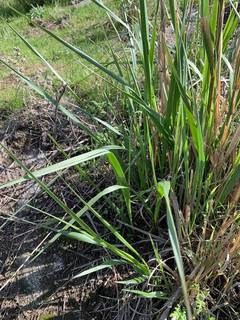
A robust, deeply rhizomatous perennial grass forming extensive colonies in coastal sand. Leaves blue-green to gray-green, flat to inrolled, 8-24 inches (20-60 cm) long and 0.25-0.5 inch (6-12 mm) wide, with rough margins. Plants reach 2-5 feet (60-150 cm) tall in flower; rhizomes extend 6-10 feet (1.8-3 m) in loose sand within a single season. Inflorescence a stiff, erect spike 4-10 inches (10-25 cm) long with paired spikelets, each bearing 3-6 flowers; spikes ripen from green to straw-tan in late summer. Caryopses drop near the parent plant in fall, but most reproduction is vegetative through spreading rhizomes. Leaves persist over winter on coastal sites in zones 7-9 but die back to ground level in zones 3-6. The dense rhizome network holds 1-3 cubic feet (28-85 L) of sand per linear foot of stem. Spreads aggressively in unconsolidated coastal sand and can dominate coastal foredunes within 5-10 years if undisturbed. Less competitive in stable garden soil, where colonies may decline within 3-5 years away from coastal salt spray.
Native Range
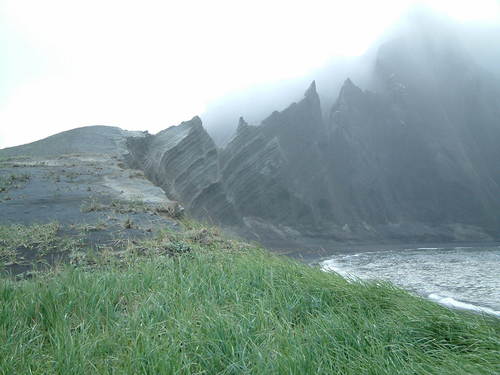
Native to coastal sand dunes of northern North America from the Aleutian Islands of Alaska south along the Pacific coast to northern California, and along the Atlantic coast from Greenland and Labrador south to Long Island. Also occurs in northeast Asia and along the northern coasts of Japan. Found on active foredunes, beach berms, and stabilized dune systems below 100 feet (30 m) elevation.Suggested Uses
Commonly used for dune stabilization and beach restoration projects at 12-24 inch (30-60 cm) spacing. In ornamental settings, planted with root barriers to limit spread, or in large coastal gardens where the rhizomatous habit is acceptable. Suitable for containers of at least 5 gallons (19 L) but tends to outgrow pots within 2-3 years.How to Identify
Appearance
Size & Dimensions
Height2' - 5'
Width/Spread4' - 8'
Colors
Bloom Information
June through August depending on latitude; flowering begins in southern populations in June and finishes in Alaska in early August. Spikes persist on the plant from formation through fall, gradually fading from green to tan. Flowering is reduced or absent in plants growing inland away from salt spray.
Detailed Descriptions
Flower Description
green ripening to straw-tanFoliage Description
blue-green to gray-greenGrowing Conditions
Sun Requirements
Requires 6-12 hours of direct sunlight daily
• Full Sun: 6+ hours of direct sunlight
• Partial Shade: 3-6 hours of direct sunlight
• Full Shade: Less than 3 hours of direct sunlight
Care & Maintenance
Care Guide
Plant rhizome divisions or container-grown starts into loose sand or well-drained gritty soil from late autumn through early spring. Water weekly for the first 6-8 weeks during establishment; established plants need no supplemental water in coastal sites with salt spray. Inland plantings may require occasional irrigation during prolonged drought but tolerate periods of 4-6 weeks without rain. Foliage takes on a yellow-green color in alkaline soil; this does not affect plant vigor. Aphids occasionally appear on flower stems in mid-summer. Rhizomes spread 3-8 feet (90-240 cm) per year in loose sand, so root barriers are commonly installed in mixed plantings. Plants persist 15-20 or more years on stable coastal sites.Pruning
Cut foliage to 4-6 inches (10-15 cm) above the soil in late winter before new growth emerges, or leave standing for winter color and wildlife shelter. Remove dead leaves and flower stems by hand-pulling at any time during the growing season. No deadheading is needed.Pruning Schedule
Prune: February–March
winterearly spring
Container Growing
Suitable for container growing
Minimum container size: 5 gallons