Leptorhynchos, Genus, spp., Multiple species,
- Genus
- Multiple species
buttons
Overview
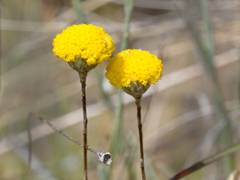
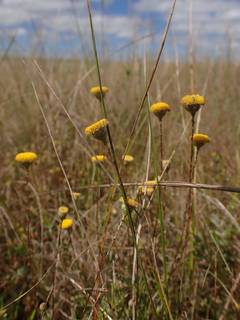
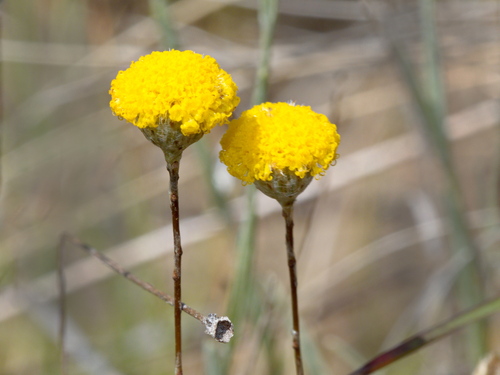
Leptorhynchos is a genus of about 15 small herbs and subshrubs in the daisy family (Asteraceae), native to Australia and known as buttons. Plants are slender and wiry, ranging from annuals to short-lived perennials 10-50 cm (4-20 in) tall, with narrow grey-green to green leaves scattered up the stems. Each stem ends in a single rounded flower head of yellow disk florets, without spreading ray petals, surrounded by papery bracts that give a button-like appearance. Some species have a faint scent and a papery, everlasting quality to the dried heads. L. squamatus, scaly buttons, is a widespread species of grassland and open woodland in south-eastern Australia. The genus grows in grassland, grassy woodland, and disturbed open ground, often on clay or loam soils that are moist in winter and dry in summer. Many species flower in spring and early summer and tolerate seasonal drought through dormant rootstocks or by setting seed. The small size and slender habit make plants easy to overlook outside flowering, and several have declined where native grasslands have been cleared or heavily grazed.
Native Range
Leptorhynchos is native to Australia, occurring across the southern and eastern states, including in grasslands and grassy woodlands. L. squamatus is among the more widespread species in the south-east.Suggested Uses
Grown in native grassland plantings, meadow-style gardens, and rockeries, and used in grassland restoration. The dried button heads are used in everlasting arrangements. Plants are spaced 15-30 cm (6-12 in) apart.How to Identify
Appearance
Size & Dimensions
Height4" - 1'8"
Width/Spread4" - 1'
Colors
Flower Colors
Foliage Colors
Bloom Information
Detailed Descriptions
Foliage Description
grey-green to greenGrowing Conditions
Sun Requirements
Requires 5-10 hours of direct sunlight daily
• Full Sun: 6+ hours of direct sunlight
• Partial Shade: 3-6 hours of direct sunlight
• Full Shade: Less than 3 hours of direct sunlight
Care & Maintenance
Care Guide
Plants grow in full sun to light shade and tolerate a range of soils, including clay and loam, provided they are not waterlogged in summer. Established plants handle seasonal drought, drawing on rootstocks or completing their cycle by seed. They grow in open, sunny positions and benefit from competition-free ground while establishing. Frost tolerance is moderate to good in the temperate species. Heavy, rich soils and constant moisture shorten the life of most species.Pruning
Spent flowering stems can be trimmed after seeding, or left for the papery dried heads. Perennial species can be cut back as foliage dies down. No structural pruning is needed.Container Growing
Suitable for container growing
Minimum container size: 1 gallons