Leontodon, Genus, spp., Multiple species,
- Genus
- Multiple species
hawkbits
Europe, North Africa, and western Asia
Overview
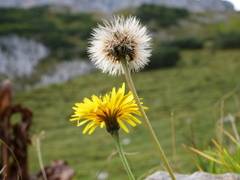
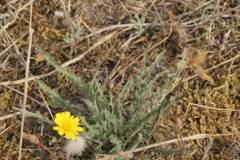
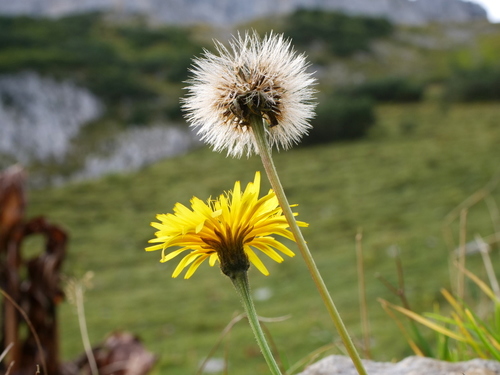
Leontodon is a genus of perennial and occasionally annual herbs in the daisy family (Asteraceae), native to Europe, the Mediterranean, North Africa, and western Asia, with several species naturalized as weeds in North America, Australia, and New Zealand. The plants form a flat basal rosette of narrow, toothed or lobed leaves and lack leafy stems, sending up one or more slender, leafless flower stalks 4-24 inches (10-60 cm) tall. Each stalk carries a single dandelion-like head of yellow ray florets, opening by day and closing in dull weather or at night. After flowering, the heads ripen into a globe of feathery, parachute-tipped seeds that scatter on the wind. The genus closely resembles dandelions (Taraxacum) and hawksbeards (Crepis), and is told apart mainly by the branched or scaly flower stalks and the structure of the pappus. Plants grow in meadows, pastures, lawns, roadsides, and rocky slopes on a wide range of soils, and tolerate mowing and grazing. Several species behave as persistent lawn and pasture weeds where they naturalize.
Native Range
Native to Europe, the Mediterranean, North Africa, and western Asia, in grassland, meadows, and rocky slopes. Several species have naturalized as weeds in North America, Australia, and New Zealand.Suggested Uses
Grown in wildflower meadows, naturalistic lawns, and pollinator plantings for its long season of yellow daisies. The genus suits low-input grassland and informal turf that is mown infrequently. Young leaves of some species are eaten in salads like those of dandelion.How to Identify
Appearance
Size & Dimensions
Height4" - 2'
Width/Spread4" - 1'
Bloom Information
Detailed Descriptions
Foliage Description
greenGrowing Conditions
Sun Requirements
Requires 5-10 hours of direct sunlight daily
• Full Sun: 6+ hours of direct sunlight
• Partial Shade: 3-6 hours of direct sunlight
• Full Shade: Less than 3 hours of direct sunlight
Care & Maintenance
Care Guide
Grows in full sun to light shade on average, well-drained soil across a pH range of about 5.5-7.5, including poor and stony ground. Established plants are drought tolerant and need little or no extra water. The genus self-sows freely and can spread into lawns, beds, and pasture if seed heads are left to ripen. Mowing or removing spent stalks before seed sets keeps it in check. Plants tolerate grazing, foot traffic, and close cutting. No feeding is required.Pruning
Spent flower stalks are removed or mown before the seed ripens to limit self-sowing. The basal rosette is left in place to overwinter in perennial species. No other pruning is needed.Pruning Schedule
Prune: August–September
summerfall