Lemna, Genus, spp., Multiple species,
- Genus
- Multiple species
duckweeds
Cosmopolitan; found on fresh water on every continent except Antarctica, with native species in North America, Europe, and Asia
Overview
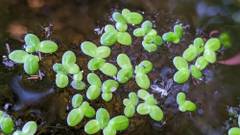
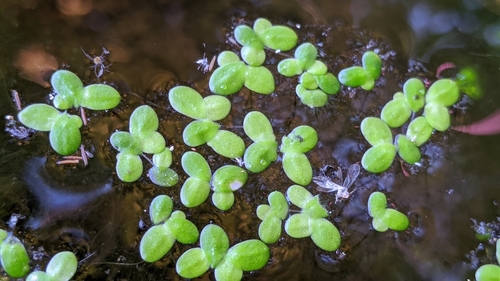
Lemna is a genus of duckweeds, tiny free-floating aquatic plants in the arum family (Araceae). Each plant is reduced to a flat or slightly rounded green frond, called a thallus, 0.04-0.3 in (1-8 mm) long, with a single thread-like root hanging into the water below. The fronds float free on the surface of still and slow-moving fresh water, where they multiply by budding daughter fronds from a pouch at the base, often staying joined in small clusters before separating. Through this vegetative budding a few plants can blanket a pond surface within weeks, forming a continuous green film. Flowers are minute and rarely produced, lacking petals and consisting of one or two stamens and a single pistil enclosed in a tiny pouch, so most reproduction is asexual. In temperate climates the plants survive winter as dense starch-filled buds called turions that sink to the bottom and resurface in spring. Lemna species range from the tropics into cold-temperate regions on every continent except Antarctica. The floating mats shade the water beneath them, which can lower oxygen levels and crowd out submerged plants, while also feeding waterfowl and sheltering aquatic life.
Native Range
Lemna is cosmopolitan, occurring on the surface of ponds, ditches, marshes, and slow streams on every continent except Antarctica. Several species, including L. minor, are native to North America, Europe, and Asia, and the genus ranges from the tropics into cold-temperate regions.Suggested Uses
Lemna grows in ponds, water gardens, aquariums, and tubs, where it shades the water and takes up dissolved nutrients that would otherwise feed algae. It is used in wastewater treatment and small-scale water filtration for the same nutrient-stripping ability, and is raised as a protein-rich food for poultry, waterfowl, and fish. On open natural water the floating mats supply forage for ducks and cover for small aquatic animals.How to Identify
Appearance
Bloom Information
Flowering is rare and easily overlooked. When it occurs, in warm weather, each bloom is microscopic, without petals, and made up of one or two stamens and a pistil held in a small pouch at the frond margin. The plants instead spread almost entirely by vegetative budding, so flowers are seldom seen.
Detailed Descriptions
Foliage Description
greenGrowing Conditions
Sun Requirements
Requires 4-10 hours of direct sunlight daily
• Full Sun: 6+ hours of direct sunlight
• Partial Shade: 3-6 hours of direct sunlight
• Full Shade: Less than 3 hours of direct sunlight
Care & Maintenance
Care Guide
Lemna grows on still or slow-moving fresh water in full sun to part shade and needs no soil, drawing nutrients directly from the water. It grows fastest in nutrient-rich water at a pH of roughly 6.0 to 8.0 and in warm conditions, doubling its numbers every few days. In ponds the floating mat can be thinned by netting or raking off the surplus to keep part of the water open. Cold-climate populations die back in autumn and overwinter as turions on the pond floor, returning when the water warms. Excess growth can deplete oxygen in the water below, so skimming off surplus fronds keeps a balance for fish and submerged plants. The genus carries few pests and needs no feeding where the water already holds nutrients.Pruning
No conventional pruning applies to a floating plant. In ponds and water gardens, skim or rake off excess fronds through the growing season to keep the surface from closing over. Clearing surplus growth before autumn also reduces the volume of decaying material in the water over winter.Container Growing
Suitable for container growing