Layia, Genus, spp., Multiple species,
- Genus
- Multiple species
tidy tips
Western North America (centred on California)
SunFull Sun
Overview
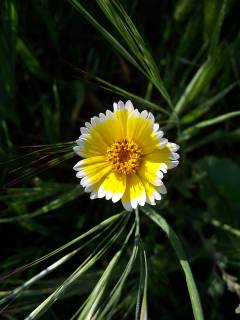
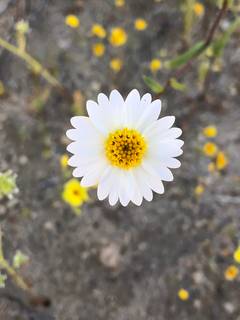
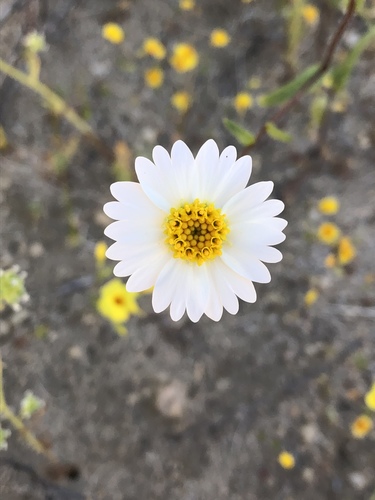
Layia is a genus of about 14 annual wildflowers in the daisy family (Asteraceae), native to western North America and concentrated in California. Plants grow as low, branching annuals 10-60 cm (4-24 in) tall, with narrow, often lobed leaves that are hairy and glandular, releasing a scent when crushed. The daisy-like flower heads have ray florets that in many species are yellow tipped with white, giving rise to the common name tidy tips, surrounding a yellow central disk. L. platyglossa of coastal grasslands is widely grown, while other species range into deserts and interior valleys. Flowering occurs in spring, with plants completing their life cycle within a single season and dying after setting seed. The genus grows in open grassland, sandy flats, and disturbed ground, often forming sheets of bloom in years of good winter rain. Plants are adapted to dry summers, germinating with autumn or winter rain and flowering before the soil dries. Because they are annuals, they persist in the garden only by reseeding, and bloom is short where spring heat arrives early.
Native Range
Layia is native to western North America, with the centre of diversity in California and the range extending into Oregon, the Great Basin, and northern Baja California. Species grow in grassland, desert, and coastal habitats.Suggested Uses
Grown in wildflower meadows, container plantings, and the front of sunny borders, and used in native seed mixes for restoration. The low habit suits edging and mass plantings, with seed scattered or plants spaced 15-20 cm (6-8 in) apart.How to Identify
Appearance
Size & Dimensions
Height4" - 2'
Width/Spread6" - 1'
Bloom Information
Flowering occurs in spring, mainly March through May, with timing depending on winter rainfall. Heads open in sequence over several weeks, then plants set seed and die. In hot, dry springs the flowering period is shortened.
Detailed Descriptions
Flower Description
yellow with white tipsFoliage Description
green, hairyGrowing Conditions
Sun Requirements
Requires 6-12 hours of direct sunlight daily
• Full Sun: 6+ hours of direct sunlight
• Partial Shade: 3-6 hours of direct sunlight
• Full Shade: Less than 3 hours of direct sunlight
Water & Climate
Water Needs
Drought Tolerance
Drought tolerant when established
Care & Maintenance
Care Guide
Plants grow in full sun and require well-drained soil, performing in sandy or loamy ground of low fertility. Seed is sown in autumn in mild-winter regions or early spring elsewhere, where it germinates with cool moisture. Established seedlings tolerate dry conditions and need little water once growth is underway. Rich soil and heavy feeding produce leggy growth and fewer flowers. As annuals, plants are replaced each year, though they often reseed where the soil is left undisturbed.Pruning
No structural pruning is needed for these annuals. Removing spent heads can extend bloom slightly, while leaving them allows seed to ripen and scatter for the following season. Plants are pulled once they brown and die after flowering.Container Growing
Suitable for container growing
Minimum container size: 1 gallons
Toxicity: Not assessed
UnknownPlanting Guide
Planting Methods & Timing
Planting Method
direct sow
Direct Sow Timing
autumn in mild-winter regions, early spring elsewhere
Days to Maturity
60–90 days
Plant Spacing
6 inches