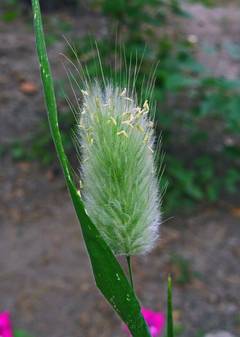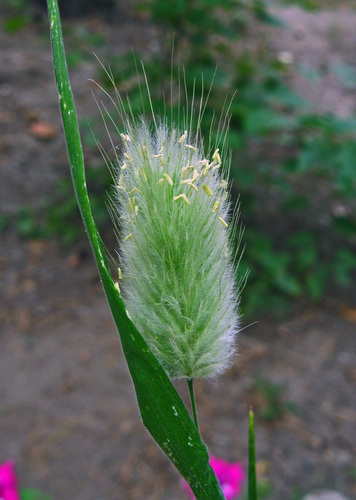
Lagurus, Genus, spp., Multiple species,
- Genus
- Multiple species
Mediterranean region and southern European/North African coasts
SunFull Sun
Overview
Lagurus is a grass genus represented by the single annual species Lagurus ovatus, hare's-tail grass, native to the Mediterranean region. Plants form soft, tufted clumps 8-24 inches (20-60 cm) tall of pale green, narrow leaves covered in soft hairs that give the whole plant a grey-green, downy look. In late spring and summer, slender stems carry dense, egg-shaped flower heads 1-2 inches (2.5-5 cm) long that are soft, woolly, and pale cream, ageing to buff, and resemble a rabbit's tail. The fluffy heads dry well and hold their shape for indoor arrangements. As an annual, Lagurus ovatus completes its life in one season, setting abundant seed and then dying. It grows quickly in warm weather on light, sandy soils and self-seeds freely, naturalising on dunes and disturbed coastal ground in mild regions where it can spread beyond where it is planted.
Native Range
Lagurus is native to the Mediterranean region and the Atlantic coasts of southern Europe and North Africa, where L. ovatus grows on coastal sand dunes, sandy fields, and disturbed ground. It has naturalised on mild, sandy coasts in many other parts of the world.Suggested Uses
Lagurus is used in gravel and coastal gardens, sunny borders, and containers, and is grown for its fluffy heads for fresh and dried flower arrangements. Its soft texture suits naturalistic and seaside plantings. The free self-seeding makes it unsuited to sites where it could naturalise into sensitive dune or grassland habitats.How to Identify
Appearance
Size & Dimensions
Height8" - 2'
Width/Spread6" - 1'
Colors
Flower Colors
Foliage Colors
Bloom Information
Detailed Descriptions
Flower Description
cream to buffFoliage Description
gray-greenGrowing Conditions
Sun Requirements
Requires 6-12 hours of direct sunlight daily
• Full Sun: 6+ hours of direct sunlight
• Partial Shade: 3-6 hours of direct sunlight
• Full Shade: Less than 3 hours of direct sunlight
Water & Climate
Water Needs
Drought Tolerance
Drought tolerant when established
Care & Maintenance
Care Guide
Plants grow in full sun on light, free-draining sandy or gravelly soils of low to moderate fertility. As a warm-season annual, it is sown in spring, or in autumn in mild-winter areas, and tolerates heat, drought, and coastal salt once growing. Rich soil and heavy watering produce floppy, leafy plants with fewer heads. The plant completes its cycle in one season and dies after seeding, leaving self-sown seedlings for the following year. Little feeding is needed on average soil. In mild coastal areas the free self-seeding can let it spread into surrounding ground.Pruning
No pruning is needed for this annual grass. Flower heads can be cut for fresh or dried arrangements, which also reduces self-seeding. Removing spent plants after seeding limits unwanted spread.Container Growing
Suitable for container growing
Minimum container size: 1 gallons
Toxicity
Non-toxicPlanting Guide
Planting Methods & Timing
Planting Method
both
Indoor Start
6 weeks before last frost
Direct Sow Timing
spring after the last frost, or autumn in mild-winter areas
Days to Maturity
80–100 days
Plant Spacing
8 inches