Krigia, Genus, spp., Multiple species,
- Genus
- Multiple species
dwarf dandelions
Overview
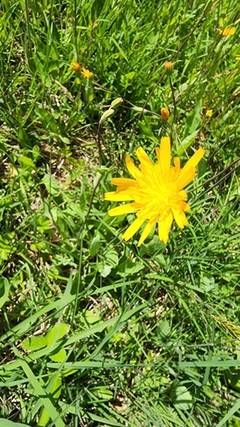
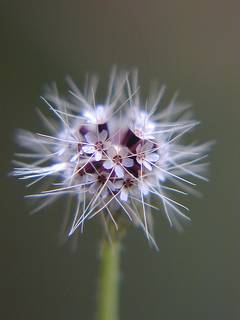
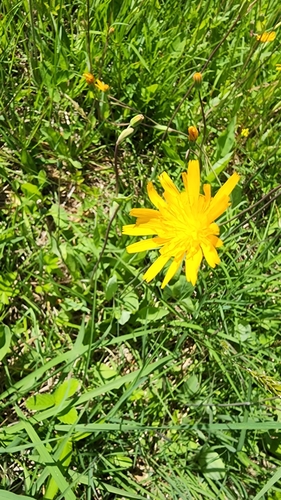
Krigia is a genus of about 7-13 species of small, milky-juiced herbs in the daisy family (Asteraceae), native to North America. Plants are annual or perennial, 2-16 inches (5-40 cm) tall, with most leaves in a basal rosette; the leaves are narrow to spoon-shaped and entire to deeply lobed. Each slender stalk carries a single dandelion-like flower head 0.4-1.2 inches (1-3 cm) across, made up entirely of strap-shaped ray florets in yellow to yellow-orange. The heads open in morning sun and close by afternoon. After flowering, each head forms a globe of small dry seeds, some species with a pappus of bristles and scales that aids wind dispersal. Krigia grows in open, often dry or sandy ground, including fields, glades, rock outcrops, roadsides, and woodland edges. Some species are tap-rooted annuals of disturbed soil, while others are perennials with tubers or fleshy roots. Because the plants are small and the flowers close by midday, their presence is easy to overlook. They are short-lived and self-seed, and the annual species fade soon after seed set.
Native Range
Native to North America, mainly the central and eastern United States and adjacent Canada and Mexico. Plants grow in open woods, prairies, glades, sandy fields, and disturbed ground, usually on well-drained soils in full sun to light shade.Suggested Uses
Used in native plant gardens, wildflower meadows, rock gardens, and the front of dry borders, where plants are spaced 4-8 inches (10-20 cm) apart. The early flowers are a nectar and pollen source for small native bees. Tuberous species naturalize in lawns and sandy openings.How to Identify
Appearance
Size & Dimensions
Height2" - 1'4"
Width/Spread2" - 8"
Bloom Information
Flowering runs from early spring into summer, roughly March to June for the spring annuals and extending to July or August in some perennial species. Heads open in the morning and close in the afternoon heat, so the display is most visible early in the day. A second, lighter flush sometimes follows in autumn where soil moisture returns.
Detailed Descriptions
Flower Description
yellow to yellow-orangeFoliage Description
green to grey-greenGrowing Conditions
Sun Requirements
Requires 6-10 hours of direct sunlight daily
• Full Sun: 6+ hours of direct sunlight
• Partial Shade: 3-6 hours of direct sunlight
• Full Shade: Less than 3 hours of direct sunlight
Care & Maintenance
Care Guide
Krigia are grown from seed sown in autumn or spring in full sun on light, well-drained sandy or gravelly soils. They tolerate low fertility and short droughts and need little care once established. The tuberous and perennial species, such as K. dandelion and K. biflora, take slightly moister soil than the dry-ground annuals. Plants are hardy through much of their native range, roughly USDA zones 5-9 depending on species. Rich soil and crowding from larger plants reduce vigor, which is the main limitation in a border. Self-sown seedlings carry colonies forward from year to year.Pruning
No pruning is needed. Spent flowering stems can be sheared after seed set to tidy the planting, or left to self-sow. Annual plants are pulled once they brown.Container Growing
Suitable for container growing