Koenigia, Genus, spp., Multiple species,
- Genus
- Multiple species
Arctic and alpine Northern Hemisphere; Himalaya; southern South America
Overview
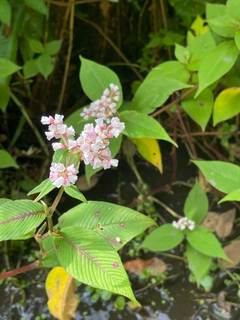
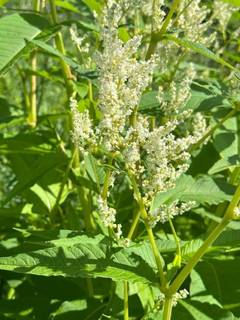
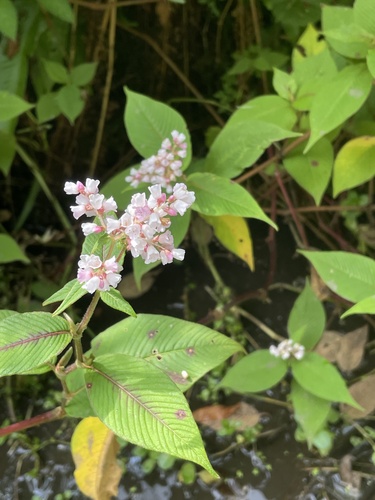
Koenigia is a genus in the knotweed family, Polygonaceae, now broadened to take in roughly thirty species that range from tiny annual herbs to robust clump-forming perennials. The smallest, K. islandica, is a creeping annual barely 0.4-2 inches (1-5 cm) high of arctic and high-alpine gravels, while perennial members such as K. alpina and K. weyrichii form leafy clumps 1-5 feet (0.3-1.5 m) tall. Leaves are usually oval to lance-shaped, 0.2-8 inches (0.5-20 cm) long depending on the species, green and often turning red in autumn. The small flowers lack showy petals and instead have greenish-white to pink-tinged sepals 0.04-0.2 inch (1-5 mm) across, gathered in tight heads or branched, frothy sprays. Dry, three-angled seeds follow. Most species occupy cold or mountainous habitats from the Arctic to the Himalaya and the high latitudes of both hemispheres. Koenigia ranges from frost-hardy alpines intolerant of heat and humidity to taller perennials that can spread widely and self-seed freely in cultivation.
Native Range
Koenigia is native to cold-temperate, arctic, and high-mountain regions across the Northern Hemisphere, including Iceland, northern Europe and Asia, the Himalaya, and North America, with a few species in southern South America. Plants grow on alpine gravels, streambanks, moist meadows, and tundra.Suggested Uses
Koenigia is used in rock and alpine gardens for the small cushion species, and in moist borders, streamside plantings, and naturalistic schemes for the taller perennials. The perennial species suit cool-climate gardens with reliable summer moisture. Heat, humidity, and dry soil limit the alpine species to specialist alpine houses or cool mountain gardens.How to Identify
Appearance
Size & Dimensions
Height1" - 5'
Width/Spread4" - 3'
Bloom Information
Flowering runs from early summer into autumn, roughly June to September, with the highest-altitude species blooming briefly during the short alpine summer. Individual plants flower over several weeks. The frothy seed heads of the perennial species hold colour after the flowers fade.
Detailed Descriptions
Flower Description
greenish-white to pinkFoliage Description
greenGrowing Conditions
Sun Requirements
Requires 4-10 hours of direct sunlight daily
• Full Sun: 6+ hours of direct sunlight
• Partial Shade: 3-6 hours of direct sunlight
• Full Shade: Less than 3 hours of direct sunlight
Care & Maintenance
Care Guide
Growing conditions vary widely across the genus. Alpine annuals and cushion species need gritty, sharply drained soil, cool air, and steady moisture, and struggle in lowland heat and humidity. The larger perennials grow in sun or part shade on moist, fertile soil and tolerate ordinary garden conditions. Most species are very cold-hardy, withstanding temperatures far below 0F (-18C), but are intolerant of prolonged summer heat. The vigorous perennials can spread and self-seed enough to crowd smaller neighbours. Cutting perennial stems back after flowering limits seeding and tidies the clump.Pruning
The perennial species can be cut back to the ground in late autumn or early spring to clear old stems. Removing spent flower heads before seed ripens reduces unwanted self-sown seedlings. The small alpine species need no pruning.Pruning Schedule
fallearly spring
Container Growing
Suitable for container growing
Minimum container size: 1 gallons