Koeleria, Genus, spp., Multiple species,
- Genus
- Multiple species
Temperate Northern Hemisphere (Europe, Asia, North America)
Overview
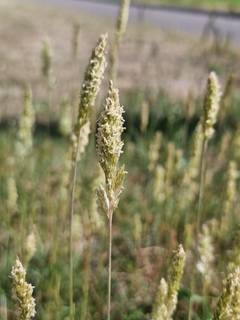
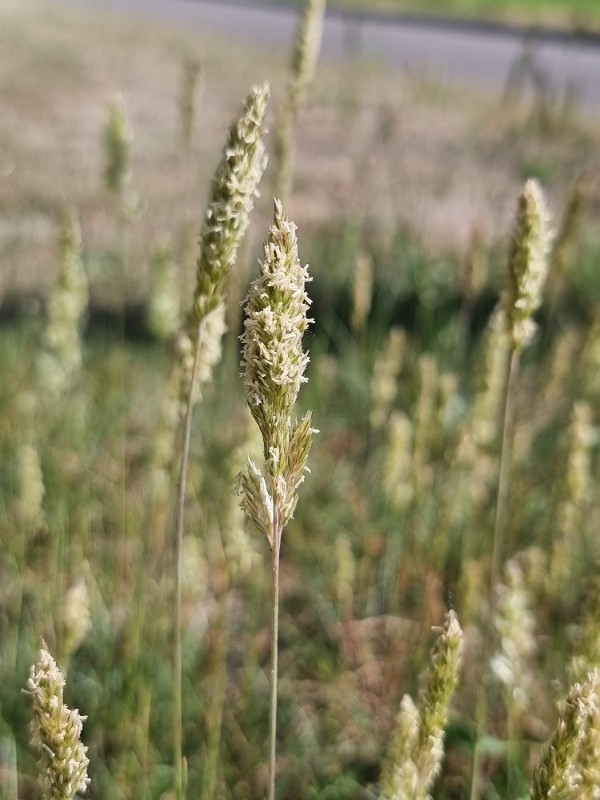
Koeleria is a genus of about thirty species of cool-season, tuft-forming perennial grasses in the family Poaceae, spread through temperate grasslands of the Northern Hemisphere with a few species in southern Africa and South America. Plants form dense clumps 8-24 inches (20-60 cm) tall of narrow, often blue-green or grey-green leaves 2-12 inches (5-30 cm) long, with rolled or flat blades and finely hairy or smooth surfaces. In late spring to early summer, slender stems carry a tight, spike-like panicle 2-5 inches (5-13 cm) long that is silvery green to straw-coloured, narrowing and lengthening as the seed ripens. Many species, such as K. macrantha and K. pyramidata, grow on dry, lime-rich, or sandy soils in open prairie and steppe. The clumps stay compact and do not spread by runners, though they self-seed where soil is bare. Koeleria tolerates drought, poor soils, and cold once established but is short-lived on heavy, wet ground and can decline after a few years without division.
Native Range
Koeleria is native across the temperate Northern Hemisphere, including Europe, central and northern Asia, and North America, with outlying species in southern Africa and southern South America. Plants grow in dry grassland, prairie, sand dunes, and rocky open slopes, often on calcareous or sandy soils.Suggested Uses
Koeleria is used in dry meadows, prairie and steppe plantings, rock gardens, green roofs, and as a slender edging in low-water borders. Its compact clumps and early seed heads suit naturalistic and gravel gardens. It is less suited to rich, moist beds, where it grows lax and short-lived.How to Identify
Appearance
Size & Dimensions
Height8" - 2'
Width/Spread6" - 1'
Colors
Bloom Information
Detailed Descriptions
Flower Description
silvery green to strawFoliage Description
blue-green to gray-greenGrowing Conditions
Sun Requirements
Requires 6-12 hours of direct sunlight daily
• Full Sun: 6+ hours of direct sunlight
• Partial Shade: 3-6 hours of direct sunlight
• Full Shade: Less than 3 hours of direct sunlight
Care & Maintenance
Care Guide
Plants grow in full sun on well-drained, low to moderately fertile soils, including sandy, gravelly, and lime-rich ground. Established clumps tolerate drought and need little or no summer water in temperate climates. Rich soil and excess moisture cause loose, floppy growth and shorten the plant life. Most species are cold-hardy, tolerating temperatures well below 0F (-18C). Cutting clumps back in late winter clears old growth before the new flush. Dividing the clumps every few years keeps them vigorous where they begin to thin at the centre.Pruning
Old foliage and spent seed stems can be cut back to a few inches in late winter or very early spring before new growth starts. Clumps that thin or die out in the middle can be lifted and divided to renew them. No other routine pruning is needed.Pruning Schedule
Prune: February–March
winterearly spring
Container Growing
Suitable for container growing
Minimum container size: 2 gallons