Kindbergia, Genus, oregana, Species,
- Genus & species
Oregon beaked moss
SunFull Shade – Part Shade
WaterHigh
Overview
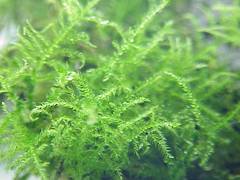
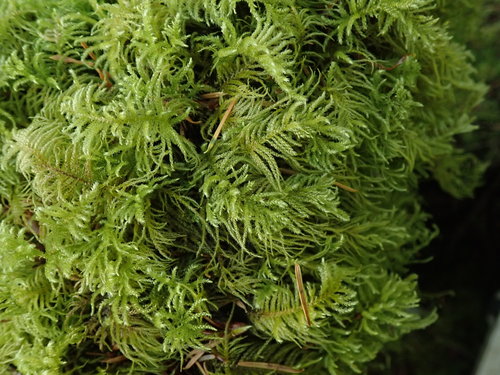
Kindbergia oregana is a pleurocarpous moss in the Brachytheciaceae that forms loose, feathery mats of creeping and arching stems. The main stems run horizontally and branch in a regular, almost fern-like pattern, with the whole shoot system 1-4 inches (3-10 cm) tall spreading over an indefinite area. Foliage is golden-green to yellow-green, the small lance-shaped leaves spreading from slender, often reddish stems to give each frond a soft, plume-like texture. Like all mosses it lacks flowers, roots, and internal water-conducting tissue, anchoring by thread-like rhizoids and taking up moisture directly across its surface. Reproduction is by spores released from capsules carried on slender red-brown stalks; the capsules are curved and short-beaked, the feature behind the common name. It carpets shaded forest floors, decaying logs, stumps, humus, and the bases of trees, often growing among other woodland mosses. Growth depends on steady humidity and shade, and mats turn brown and shrink during prolonged dry spells, then recover once moisture returns.
Native Range
Native to the Pacific Northwest of North America, from southern Alaska and British Columbia south through Washington and Oregon into northern California, and inland to the western slopes of the Cascades and northern Rocky Mountains. It is a common forest-floor moss of moist coniferous and mixed woodland.Suggested Uses
Used as a groundcover in shade and woodland gardens, on logs and stumpery features, in moss gardens, and in terrariums, spread as fragments or mat pieces over moist substrate. It suits damp, shaded ground where grass and many perennials grow poorly, and is poorly suited to sunny, dry, or high-traffic sites.How to Identify
Appearance
Size & Dimensions
Height1" - 4"
Bloom Information
As a moss, it produces no flowers. Reproduction is by spores; brownish spore capsules form on slender reddish stalks and ripen mainly through the cooler, wetter months of autumn, winter, and early spring.
Detailed Descriptions
Foliage Description
golden-green to yellow-greenGrowing Conditions
Sun Requirements
Tolerates up to 4 hours of direct sunlight daily
• Full Sun: 6+ hours of direct sunlight
• Partial Shade: 3-6 hours of direct sunlight
• Full Shade: Less than 3 hours of direct sunlight
Water & Climate
Water Needs