Kennedia, Genus, spp., Multiple species,
- Genus
- Multiple species
Overview
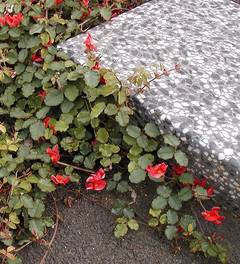
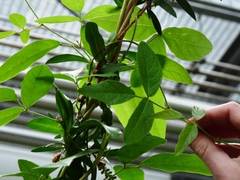
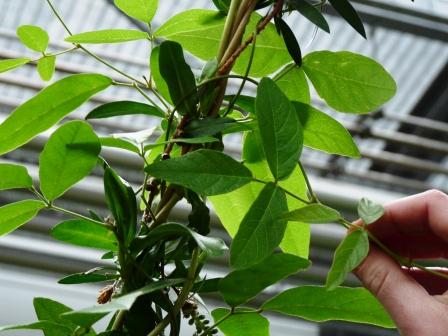
Kennedia is a genus of about sixteen species of evergreen twining and trailing legumes in the family Fabaceae, endemic to Australia. Stems trail along the ground or climb by twining to 6-20 feet (1.8-6 m), depending on the species and available support. The leaves are typically divided into three leaflets, each 0.5-3 inches (1.3-7.5 cm) long, mid to deep green and sometimes hairy beneath. Pea-shaped flowers appear in winter and spring in scarlet, brick-red, coral, near-black, or purple, measuring 0.5-1.5 inches (1.3-3.8 cm) long; K. nigricans carries black-and-yellow flowers and K. rubicunda dusky red. Flowers are followed by flattened pods 1.5-3 inches (4-7.5 cm) long holding hard-coated seeds. Most species fix nitrogen through root nodules and grow quickly, covering ground or scrambling over shrubs within a season. Kennedia tolerates sandy, low-fertility soils and coastal exposure but is frost-tender and can smother smaller plants if left unpruned. Several species regenerate from seed after fire, which scarifies the hard seed coat.
Native Range
Kennedia is endemic to Australia, where its species occur across all mainland states in heath, dry sclerophyll forest, and coastal scrub. The genus is most diverse in southwestern Western Australia, with several species extending into eastern and northern regions.Suggested Uses
Kennedia is used as a fast groundcover on banks and sandy soils, as a climber on light trellis and fences, and in native and coastal gardens. It covers ground quickly after fire or disturbance. Its vigour makes it unsuited to small, mixed plantings where it can overrun neighbours.How to Identify
Appearance
Size & Dimensions
Height6' - 20'
Width/Spread3' - 10'
Bloom Information
Detailed Descriptions
Flower Description
scarlet, red, coral, purple, or blackFoliage Description
greenGrowing Conditions
Sun Requirements
Requires 6-10 hours of direct sunlight daily
• Full Sun: 6+ hours of direct sunlight
• Partial Shade: 3-6 hours of direct sunlight
• Full Shade: Less than 3 hours of direct sunlight
Care & Maintenance
Care Guide
Plants grow in full sun to part shade on free-draining sandy or gravelly soils of low to moderate fertility. Young plants need occasional water to establish, after which most species tolerate extended dry periods. Being legumes, they need little added nitrogen and can be damaged by phosphorus-rich fertilisers, a trait shared with many Australian natives. Most species are frost-tender and are grown under cover or in mild, frost-free climates, tolerating brief lows near 28-32F (-2 to 0C). Vigorous growth benefits from a support structure or room to trail. Plants are often short-lived, persisting three to six years before needing replacement.Pruning
Light tip pruning after flowering controls spread and encourages branching. Stems that outgrow their space can be cut back to a lower node at any time in the growing season. Plants tolerate hard cutting back but may be slow to recover in cooler weather.Pruning Schedule
late springsummer
Container Growing
Suitable for container growing
Minimum container size: 5 gallons