Kalanchoe, Genus, delagoensis, Species,
- Genus & species
mother of millions
Overview
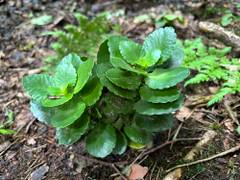
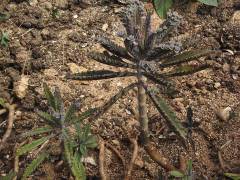
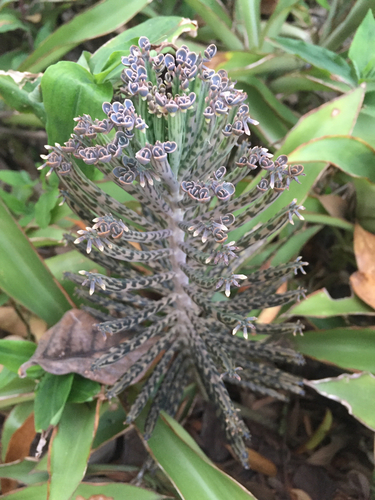
An erect succulent reaching 12-40 inches (30-100 cm) tall and 6-12 inches (15-30 cm) wide, with a single fleshy, often unbranched stem. The leaves are narrow, cylindrical to tubular, 1-6 inches (2.5-15 cm) long, gray-green mottled with darker marks, and bear rows of small plantlets along their tips. These plantlets drop and root readily, producing many new plants. Tubular flowers 0.6-1 inch (15-25 mm) long are orange to red, hanging in clusters at the top of the stem. Flowering occurs in winter. All parts contain bufadienolide cardiac glycosides and are toxic to livestock, pets, and people if eaten. The dropped plantlets cause it to spread aggressively.
Native Range
Native to Madagascar. Widely naturalized in warm regions including Queensland and northern New South Wales, where it grows on roadsides, in pastures, on rocky ground, and on disturbed sites with dry soils. It is listed as an invasive weed in parts of Australia.Suggested Uses
Grown occasionally as a low-water succulent in containers and dry rockeries in frost-free areas. Its aggressive spread and toxicity limit its use, and it is controlled as a weed in some regions. Container growing keeps the dropped plantlets contained.How to Identify
Appearance
Size & Dimensions
Height1' - 3'4"
Width/Spread6" - 1'
Colors
Bloom Information
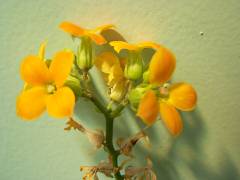
Flowers in winter in its native and naturalized range, mainly June through August in Australia. Clusters of pendant orange-red tubular flowers open at the stem tips. The display lasts several weeks. Nectar-feeding birds and insects visit the flowers.
Detailed Descriptions
Flower Description
Orange to redFoliage Description
Gray-green mottledGrowing Conditions
Sun Requirements
Requires 5-10 hours of direct sunlight daily
• Full Sun: 6+ hours of direct sunlight
• Partial Shade: 3-6 hours of direct sunlight
• Full Shade: Less than 3 hours of direct sunlight
Care & Maintenance
Care Guide
Needs little water and grows in dry, poor, rocky soils in full sun to part shade. Tolerates extended drought through its succulent leaves and stems. Spreads aggressively as leaf-tip plantlets drop and root, forming dense colonies from a single plant. All parts contain bufadienolide cardiac glycosides toxic to livestock, pets, and people if eaten. It resists removal because every dropped plantlet can regrow. Few pests trouble it.Pruning
Cut back flowering stems before seed and plantlets mature to limit spread. Remove whole plants with their dropped plantlets where they are not wanted. Cut material regrows from any leaf fragment left behind. No formative pruning applies.Pruning Schedule
Prune: August–September
winter
Container Growing
Suitable for container growing
Minimum container size: 1 gallons