Kalanchoe, Genus, spp., Multiple species,
- Genus
- Multiple species
kalanchoes
Madagascar and tropical and southern Africa
Overview
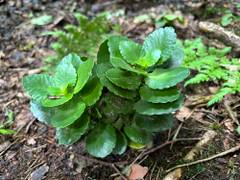
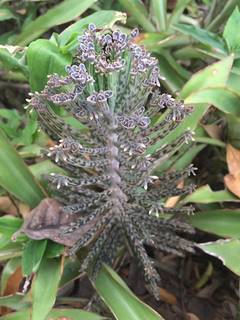
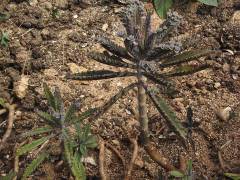
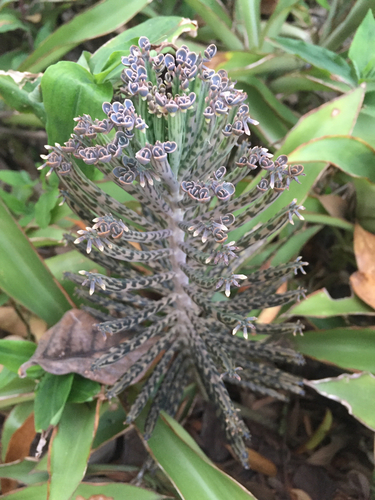
Kalanchoe is a genus of about 125 species of succulent perennials, shrubs, and a few biennials in the stonecrop family, Crassulaceae, native mainly to Madagascar and tropical and southern Africa, with some species in Asia. Plants store water in thick, fleshy leaves that vary from flat and toothed to tubular or felted with soft hairs, on stems 4 inches to 10 feet (10 cm to 3 m) tall by species. Small flowers are carried in branched clusters above the foliage, each with four petals fused into a tube or bell, in red, orange, yellow, pink, or white; the florist kalanchoe, K. blossfeldiana, is grown worldwide as a flowering pot plant. Several species, such as K. daigremontiana and K. pinnata, form tiny plantlets along the leaf edges that drop and root, which lets them spread quickly and become weedy in warm climates. Kalanchoe grows in dry, rocky, and seasonally arid habitats and tolerates heat and drought but is damaged by frost and wet soil. The leaves and flowers contain bufadienolide compounds that affect the heart and make the genus toxic to pets and livestock if eaten. Most species are grown as houseplants or, in frost-free areas, as garden succulents.
Native Range
Kalanchoe is native mainly to Madagascar and to tropical and southern Africa, with additional species in southern and eastern Asia. Plants grow in dry, rocky, and seasonally arid habitats. Several species have naturalized and become weedy in warm parts of the Americas, Australia, and the Pacific.Suggested Uses
Grown as flowering and foliage houseplants, in succulent and dish gardens, and outdoors as bedding or rockery plants in frost-free climates. The florist kalanchoe is used for long-lasting winter colour indoors, while felted and plantlet-bearing kinds are grown as foliage curiosities. Trailing species suit hanging displays.How to Identify
Appearance
Size & Dimensions
Height4" - 10'
Width/Spread4" - 3'
Bloom Information
Many Kalanchoe species flower in winter and early spring, and the florist kalanchoe is forced into bloom year-round under controlled day length. The clustered flowers last several weeks and are long-lasting as cut or potted displays. Flowering is triggered by short days in K. blossfeldiana and similar species.
Detailed Descriptions
Flower Description
red, orange, yellow, pink, or whiteFoliage Description
green to grey-green, sometimes red-edgedGrowing Conditions
Sun Requirements
Requires 4-10 hours of direct sunlight daily
• Full Sun: 6+ hours of direct sunlight
• Partial Shade: 3-6 hours of direct sunlight
• Full Shade: Less than 3 hours of direct sunlight
Care & Maintenance
Care Guide
Kalanchoe species grow in bright light to full sun in gritty, well-drained, sandy soil or cactus mix and store water in their leaves to survive drought. Plants are watered when the soil has dried and are kept on the dry side in winter to prevent rot. The genus is frost-tender, growing outdoors year-round only in USDA zones 10 to 11, and is grown as a houseplant or summer container plant elsewhere. Short winter days trigger flowering, so plants lit by bright artificial light in the evening may not bloom. Mealybug, aphid, and stem rot are the main problems, mostly from overwatering. The plantlet-forming species spread readily and can become weeds in frost-free gardens.Pruning
Kalanchoe needs little pruning beyond removing spent flower clusters to tidy the plant and bring out branching. Leggy stems are cut back, and the cuttings root easily to make new plants. Plantlets of the spreading species are removed before they root if their spread is not wanted.Container Growing
Suitable for container growing
Minimum container size: 1 gallons