Johnstonella, Genus, spp., Multiple species,
- Genus
- Multiple species
Arid southwestern North America and Mexico; parts of arid South America
Overview
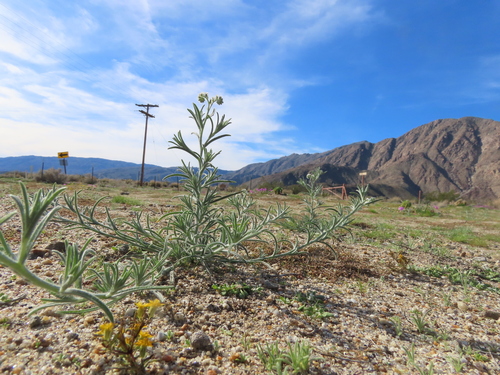
Johnstonella is a genus of small, bristly annual herbs in the borage family, Boraginaceae, recently segregated from the large genus Cryptantha. The plants are low, often greyish and rough-hairy, mostly 2 to 12 inches (5 to 30 cm) tall, branching from the base. Tiny white flowers, each with five rounded lobes and a small yellow or white centre, are clustered in coiled sprays that straighten as the flowers open, in the manner of forget-me-nots. The flowers are followed by small, hard nutlets whose shape and surface markings are the main features botanists use to tell the species apart and to separate Johnstonella from Cryptantha. The genus grows in deserts, dry slopes, sandy washes, and open arid ground, mainly in southwestern North America and Mexico, with some species in arid South America. As desert annuals, the plants germinate after rain, flower quickly, set seed, and die within a season, so they are present above ground only briefly. The small flowers make a limited display and are of more botanical than ornamental interest.
Native Range
Johnstonella is native mainly to the arid regions of southwestern North America and Mexico, with some species in dry parts of South America. The plants grow in deserts, sandy washes, and open arid ground.Suggested Uses
Johnstonella is grown mainly in native desert and restoration plantings and in collections of arid-land flora. The plants contribute to seasonal desert wildflower displays after rain. They carry more value for habitat and botanical study than for garden show.How to Identify
Appearance
Size & Dimensions
Height2" - 1'
Width/Spread2" - 10"
Colors
Bloom Information
Flowering occurs in spring after winter and spring rains, roughly March to May, with the timing and abundance varying from year to year with rainfall. The flowers are small and white with a yellow or white throat. The brief desert bloom draws small bees and other insects.
Detailed Descriptions
Foliage Description
grey-greenGrowing Conditions
Sun Requirements
Requires 6-12 hours of direct sunlight daily
• Full Sun: 6+ hours of direct sunlight
• Partial Shade: 3-6 hours of direct sunlight
• Full Shade: Less than 3 hours of direct sunlight
Water & Climate
Water Needs
Drought Tolerance
Drought tolerant when established
Care & Maintenance
Care Guide
Johnstonella grows in full sun in sandy, gravelly, sharply drained desert soils and needs little water beyond seasonal rainfall. The plants are warm-climate annuals adapted to arid ground and complete their life cycle in a single season. Germination follows autumn or winter rain, and growth depends heavily on the amount and timing of that rain. The plants are not frost-hardy and are rarely cultivated, growing instead as part of natural desert annual displays. Propagation, where attempted, is by seed sown in autumn in a free-draining mix.Pruning
No pruning is needed, as the plants are short-lived annuals that die after setting seed. Spent plants can be cleared once seed has dropped. Leaving the dried plants in place allows seed to fall for the next season.Toxicity: Not assessed
UnknownPlanting Guide
Planting Methods & Timing
Planting Method
direct sow
Direct Sow Timing
autumn