Itea, Genus, spp., Multiple species,
- Genus
- Multiple species
Eastern Asia and southeastern North America
Overview
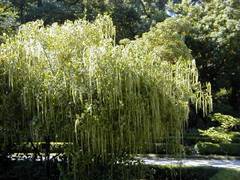
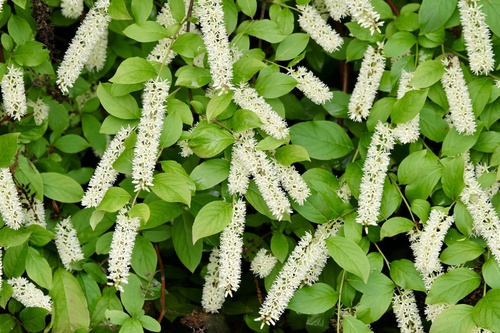
Itea is a genus of about ten species of shrubs and a few small trees in the family Iteaceae, native to eastern Asia and eastern North America. The North American I. virginica (Virginia sweetspire) and the evergreen Asian I. ilicifolia (holly-leaf sweetspire) are the species most often grown. Plants form upright to arching shrubs mostly 3 to 10 feet (0.9 to 3 m) tall, with simple, alternate, finely toothed leaves. In late spring and summer they carry slender, drooping or upright spikes (racemes) crowded with small, fragrant, creamy-white flowers. In the deciduous species the foliage turns red, purple, and orange in autumn and holds its colour late into the season. The genus spans warm-temperate to subtropical climates, with deciduous species from eastern North America and China and evergreen species in warmer parts of Asia, where the plants grow in moist woodland, streamsides, and damp thickets. Itea spreads by suckers in some species and can form colonies wider than expected, and the evergreen species are less cold-hardy than the deciduous ones.
Native Range
Itea is native to eastern Asia and the southeastern United States. I. virginica grows in the eastern United States, while most other species, including the evergreen I. ilicifolia, are native to China and neighbouring parts of Asia.Suggested Uses
Itea is used in shrub borders, woodland edges, rain gardens, and damp or streamside plantings where its tolerance of wet soil is useful. Deciduous species are grown for fragrant summer flowers and autumn leaf colour, and the evergreen species for foliage and drooping flower spikes. Suckering forms suit massed plantings and bank stabilisation.How to Identify
Appearance
Size & Dimensions
Height3' - 10'
Width/Spread3' - 8'
Bloom Information
Flowering occurs in late spring and early summer, roughly May to July depending on species and climate. The small creamy-white flowers are sweetly fragrant and packed into slender racemes 3 to 12 inches (8 to 30 cm) long. Bees, butterflies, and other insects visit the nectar-rich flowers.
Detailed Descriptions
Foliage Description
greenGrowing Conditions
Sun Requirements
Requires 4-8 hours of direct sunlight daily
• Full Sun: 6+ hours of direct sunlight
• Partial Shade: 3-6 hours of direct sunlight
• Full Shade: Less than 3 hours of direct sunlight
Care & Maintenance
Care Guide
Itea grows in full sun to part shade in moist, fertile, slightly acid soils and tolerates wet ground and short periods of flooding better than many shrubs. Deciduous species such as I. virginica are hardy in roughly USDA zones 5 to 9, while the evergreen I. ilicifolia is grown in milder zones 7 to 9 and benefits from shelter. Plants flower and colour most strongly in sun but tolerate light shade with fewer flowers. Some species sucker and spread at the roots, forming wider colonies over time. Propagation is by softwood cuttings, by layering, or by separating rooted suckers.Pruning
Pruning is done after flowering, since the flowers form on the previous season growth. Old, weak, or crowded stems can be cut to the base to renew the shrub. Unwanted suckers can be dug out to limit spread.Container Growing
Suitable for container growing
Minimum container size: 5 gallons