Ipomopsis, Genus, rubra, Species,
- Genus & species
standing cypress
Southeastern and south-central United States
Overview
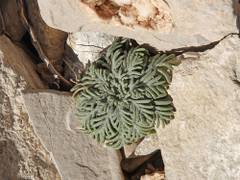
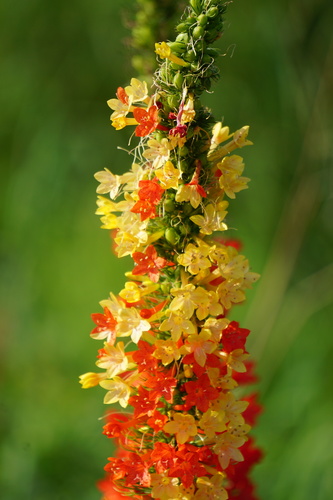
Ipomopsis rubra is a biennial to short-lived perennial in the Polemoniaceae, reaching 2-6 ft (60-180 cm) tall on a single erect, mostly unbranched stem. In its first year it forms a low basal rosette of finely divided, thread-like leaves; in the second year it bolts into a tall flowering spike. The leaves are dissected into narrow linear segments 1-2 in (2.5-5 cm) long, giving the stem a feathery outline. Flowers are tubular, 1-1.5 in (2.5-4 cm) long, scarlet to red on the outer surface and mottled yellow within, arranged along the upper third of the stem. Bloom runs from early summer into fall. The tubular form and red color align with hummingbird pollination, and the flowers also draw long-tongued butterflies and hawkmoths. Plants grow from a taproot and self-seed readily in open ground, which can build dense stands or, in confined beds, produce unwanted volunteers. Ipomopsis rubra requires sharp drainage and declines in heavy or wet soils, where crown rot shortens its already brief lifespan. It is native to sandy soils of the southeastern and south-central United States and tolerates heat and drought once established. Because each plant typically dies after setting seed, continuity in a planting depends on allowing some seed to mature each season.
Native Range
Native to the southeastern and south-central United States, from Virginia and the Carolinas west to Texas and Oklahoma. It grows in sandy soils, open woodlands, and disturbed roadsides across the coastal plain and adjacent uplands.Suggested Uses
Used in wildflower meadows, pollinator and hummingbird plantings, and sandy borders. Suited to naturalized areas where it can self-seed freely. Combines with other drought-tolerant prairie species in lean soils.How to Identify
Appearance
Size & Dimensions
Height2' - 6'
Width/Spread1' - 1'6"
Bloom Information
Detailed Descriptions
Flower Description
scarlet red with yellow interior mottlingFoliage Description
greenGrowing Conditions
Sun Requirements
Requires 6-12 hours of direct sunlight daily
• Full Sun: 6+ hours of direct sunlight
• Partial Shade: 3-6 hours of direct sunlight
• Full Shade: Less than 3 hours of direct sunlight
Care & Maintenance
Care Guide
Grows in full sun and sharply drained sandy or gravelly soil. It tolerates drought once the taproot is established and declines under regular irrigation or in clay soils that hold moisture. Soil pH from 6.0 to 7.5 suits it. No fertilizer is needed, and rich soil produces weak, floppy stems. Plants are biennial to short-lived and reseed to maintain a stand, so leaving some seed heads in place sustains future bloom. Stems grown lean in full sun stand upright without staking.Pruning
Pruning is minimal. Spent flowering stems can be cut back after seed has matured if self-seeding is not wanted, or left standing to drop seed. Removing individual spent spikes before seed set extends bloom slightly while reducing volunteer seedlings.Pruning Schedule
fall