Ipomopsis, Genus, aggregata, Species,
- Genus & species
scarlet gilia
Overview
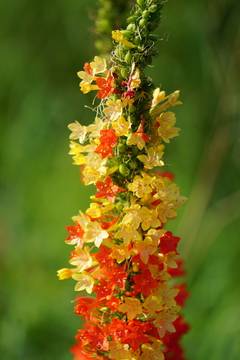
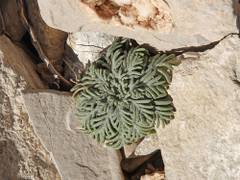
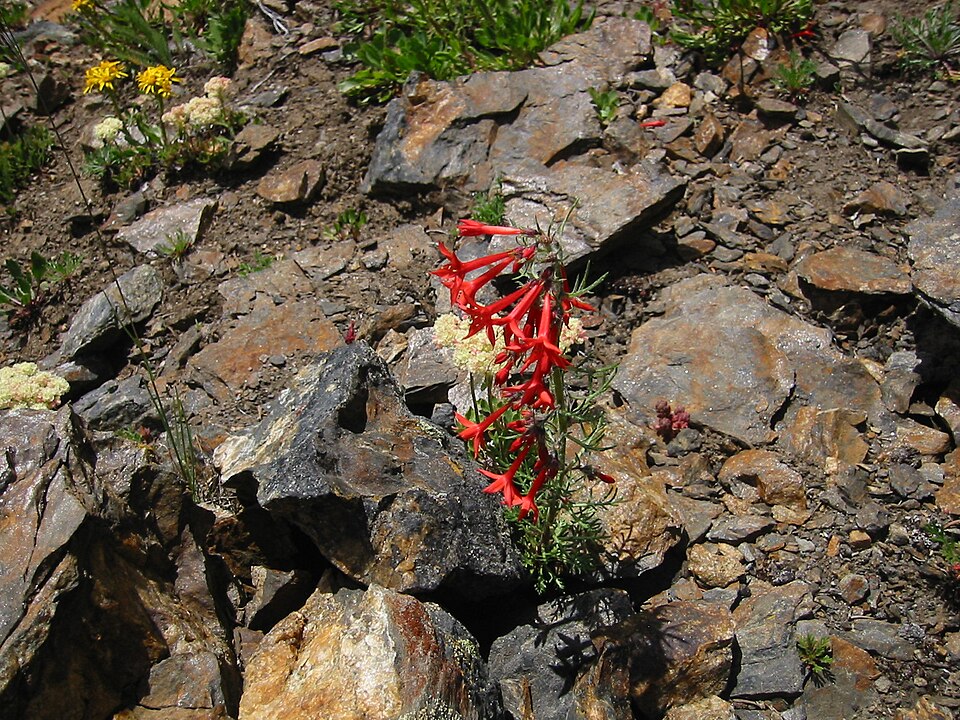
Ipomopsis aggregata is a biennial or short-lived perennial in the phlox family, native to western North America. In its first year it forms a basal rosette of finely divided, fern-like leaves that release a skunky scent when bruised. In the second year it sends up one or more erect, sparsely branched stems 1-3 feet (30-90 cm) tall, occasionally to 5 feet (1.5 m). From early summer into fall the stems carry trumpet-shaped flowers 1-1.5 inches (2.5-4 cm) long, usually scarlet red and often speckled, with five pointed lobes flaring from a slender tube. The tubular form and red color match the reach and vision of hummingbirds, the main pollinators. After flowering and setting seed the plant usually dies. It grows in dry, open sites in sagebrush steppe, pine woodland, and mountain slopes from foothills to subalpine elevations. A deep taproot draws moisture from depth, supporting drought tolerance once established. Flower color varies from red through pink to nearly white across populations.
Native Range
Native to western North America, from British Columbia and Alberta south through the Rocky Mountains and Great Basin to Texas and northern Mexico. It grows in sagebrush steppe, open conifer woodland, and dry mountain slopes.Suggested Uses
Ipomopsis aggregata is grown in wildflower meadows, rock gardens, and dry native plantings, and naturalizes on open slopes. Its red tubular flowers draw hummingbirds and long-tongued moths.How to Identify
Appearance
Size & Dimensions
Height1' - 5'
Width/Spread8" - 1'
Bloom Information
Detailed Descriptions
Foliage Description
greenGrowing Conditions
Sun Requirements
Requires 6-12 hours of direct sunlight daily
• Full Sun: 6+ hours of direct sunlight
• Partial Shade: 3-6 hours of direct sunlight
• Full Shade: Less than 3 hours of direct sunlight