Ipomoea, Genus, imperati, Species,
- Genus & species
beach morning-glory
Tropical and subtropical coasts worldwide
Overview
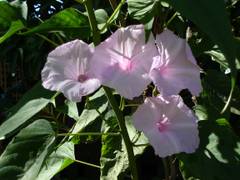
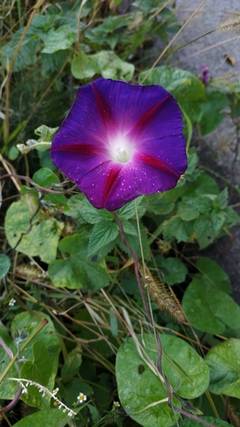
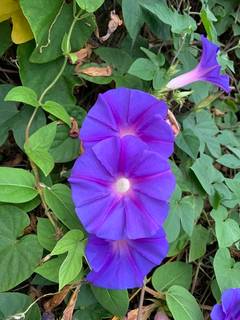
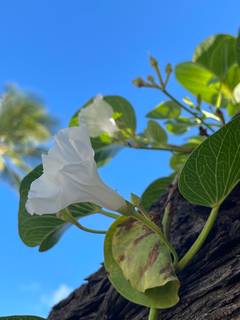
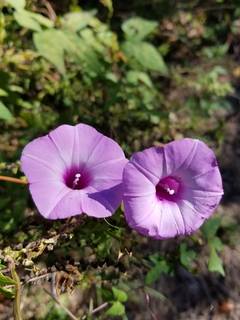
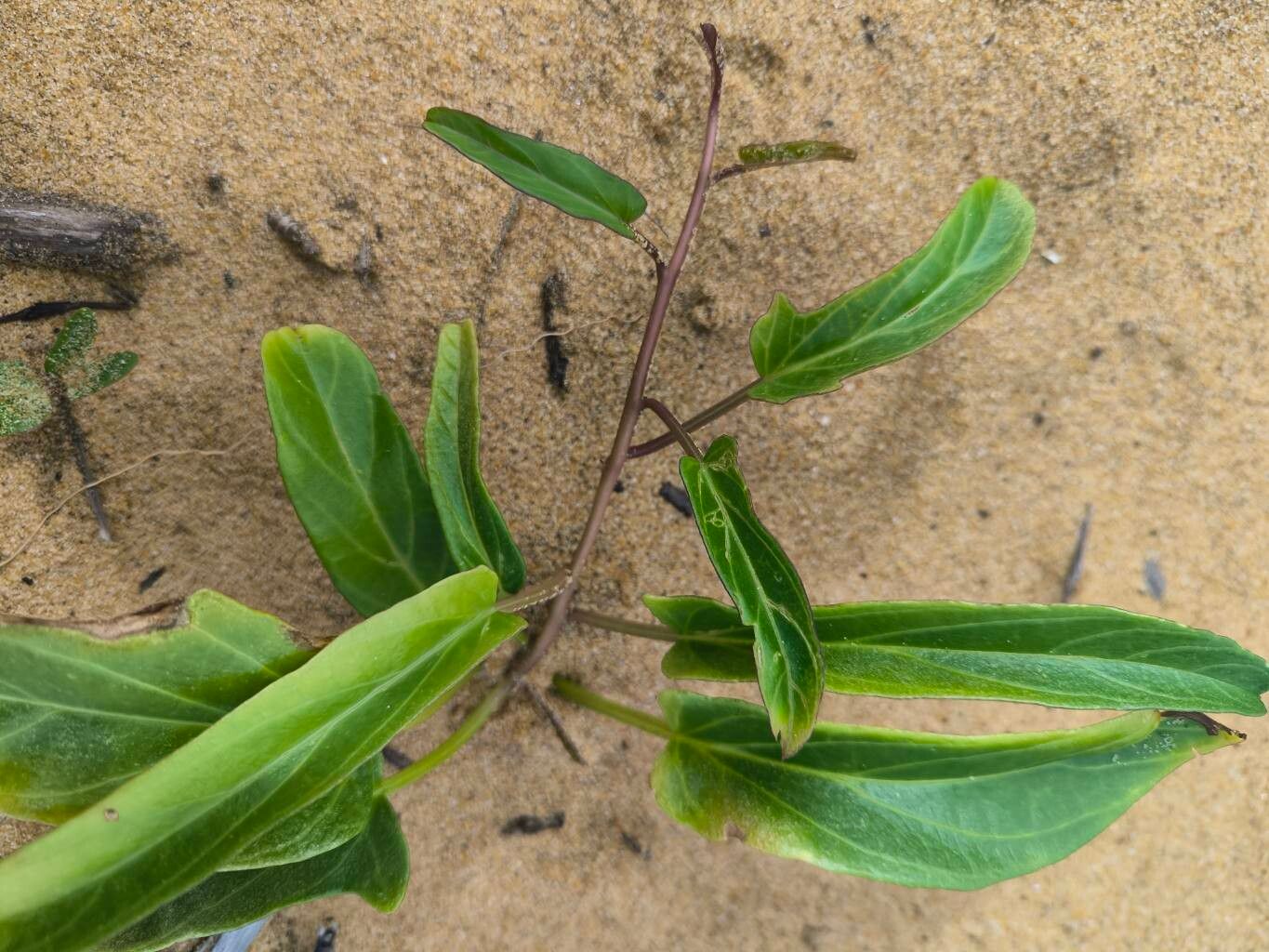
Ipomoea imperati is a trailing perennial vine of coastal dunes, sending out prostrate stems 3–10 feet (1–3 m) long that root at the nodes and spread across open sand. The fleshy leaves vary from oblong to deeply three- to five-lobed or fiddle-shaped, 1–2.5 inches (2.5–6 cm) long, thick-textured to resist salt and drying. Funnel-shaped flowers 1.5–2.5 inches (4–6 cm) across open in the morning, white with a pale yellow throat, and close by midday. Flowering continues through the warm season. The vine grows on upper beaches and foredunes along tropical and subtropical coasts of the Americas and other warm regions, where its rooting stems help bind shifting sand. I. imperati tolerates salt spray, sandy soil, and drought but needs full sun and sharp drainage, is damaged by frost, and does not persist away from sandy coastal conditions.
Native Range
Ipomoea imperati grows on tropical and subtropical coasts worldwide, including the Atlantic, Gulf, and Pacific shores of the Americas. It occupies upper beaches, foredunes, and sandy coastal flats within reach of salt spray.Suggested Uses
Used in dune stabilization, coastal gardens, and sandy seaside banks. Set in full sun on open sand and spaced 3–5 feet (0.9–1.5 m) apart, it spreads to cover and hold shifting ground.How to Identify
Appearance
Size & Dimensions
Height4" - 8"
Width/Spread3' - 10'
Bloom Information
Flowering continues through the warm season, year-round in frost-free areas. Each white funnel-shaped flower with a yellow throat, 1.5–2.5 inches (4–6 cm) across, opens in the morning and closes by midday. Round seed capsules follow and ripen in the sand.
Detailed Descriptions
Flower Description
white with yellow throatFoliage Description
greenGrowing Conditions
Sun Requirements
Requires 6-12 hours of direct sunlight daily
• Full Sun: 6+ hours of direct sunlight
• Partial Shade: 3-6 hours of direct sunlight
• Full Shade: Less than 3 hours of direct sunlight