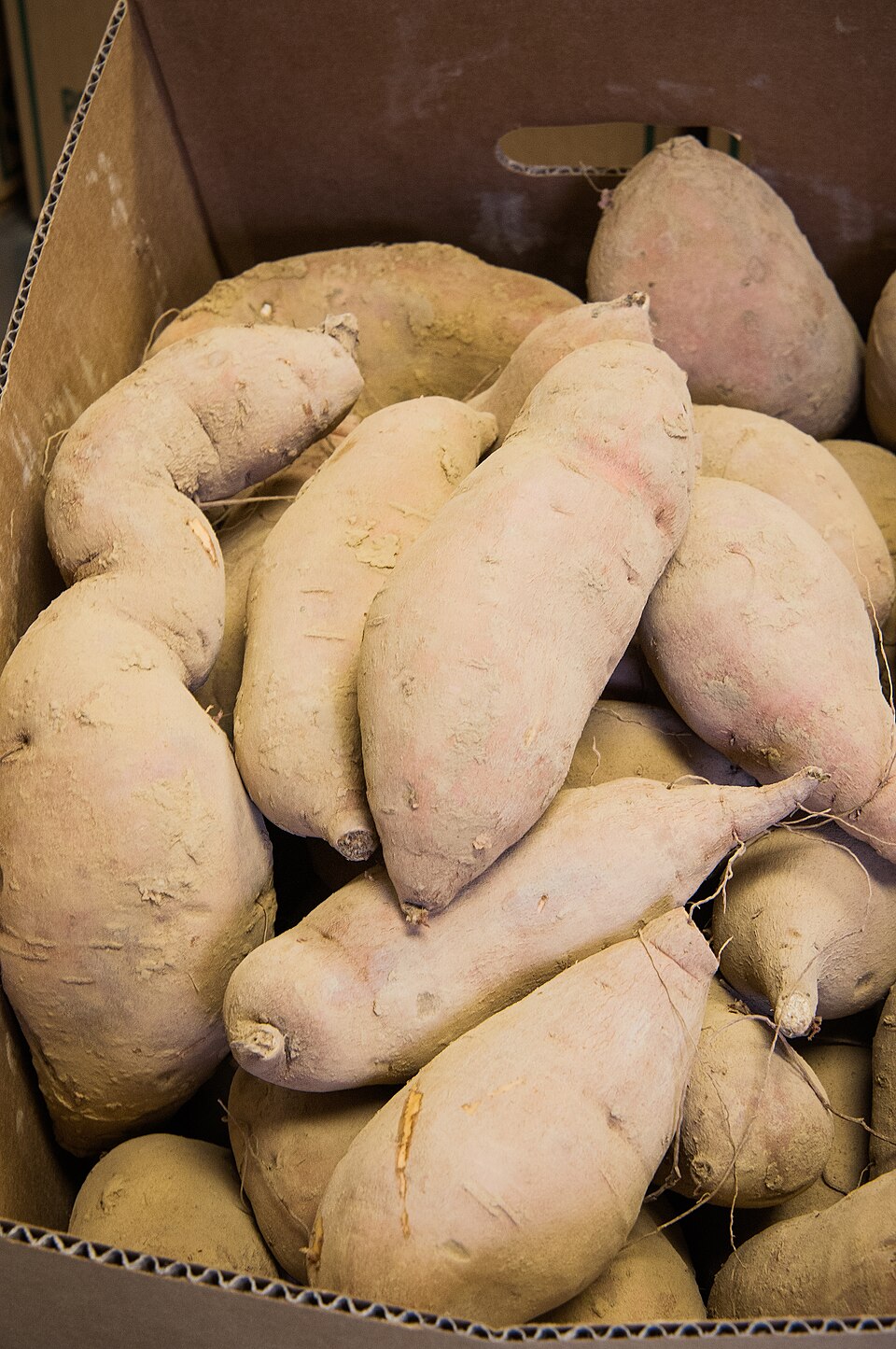
U.S. Department of Agriculture Bob Nichols/Photographer/United States Department of Agriculture-Office of Communications-Photography Services Division, no rights reserved (CC0) · Wikimedia Commons
Ipomoea, Genus, batatas, Species, 'Beauregard', Cultivar,
- Genus & species
- Cultivar
Beauregard sweet potato
Central/S America (Peru or Yucatan; Beauregard developed LSU 1987; standard commercial; reddish-copper; deep orange moist; highest yield; stores 6-12 months)
Overview
Ipomoea batatas 'Beauregard' is a warm-season perennial grown as an annual, reaching 12-18 inches (30-45 cm) tall with a spread of 3-6 feet (0.9-1.8 m) and a trailing, vining habit with heart-shaped leaves. Developed at Louisiana State University in 1987 and named after Confederate general P.G.T. Beauregard, it produces medium to large, uniform, cylindrical to slightly tapered tubers 6-9 inches (15-23 cm) long with smooth, reddish-copper skin and deep orange, moist, sweet flesh. The standard commercial sweet potato variety—accounting for a large share of US production. Days to maturity 90-100 from slips (transplanted rooted sprouts). Growth rate is fast in warm conditions. Requires 90+ days of warm soil above 65°F (18°C). Stores 6-12 months when properly cured.
Native Range
Ipomoea batatas originated in Central and South America—likely Peru or the Yucatan Peninsula. 'Beauregard' was developed at Louisiana State University in 1987.Suggested Uses
Grown in vegetable gardens for culinary use—baking, roasting, mashing, pies, fries. Standard commercial sweet potato—highest yield. Deep orange moist sweet flesh. Stores 6-12 months cured. LSU 1987. 90-100 days from slips. Requires long warm season—90+ days above 65°F. Not suitable for short-season or cool-summer climates without black plastic mulch.How to Identify
Appearance
Size & Dimensions
Height1' - 1'6"
Width/Spread3' - 6'
Bloom Information
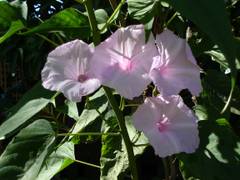
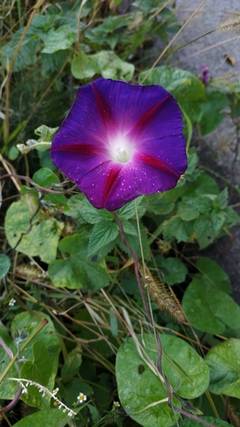
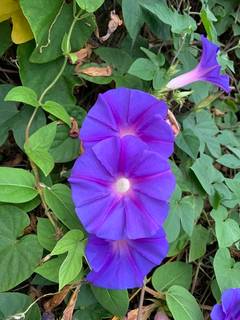
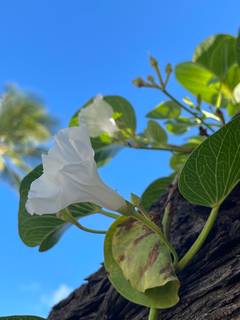
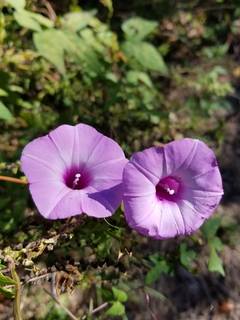
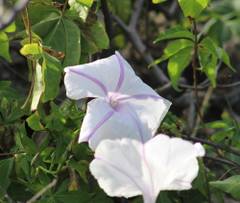
Trumpet-shaped, lavender to pale purple flowers resembling morning glory (same family). Rarely flowers in northern latitudes—requires short day lengths. Flowers do not affect tuber production.
Detailed Descriptions
Flower Description
Lavender to pale purple; trumpet-shaped; rarely flowers in northFoliage Description
Medium green; heart-shaped; on trailing vinesGrowing Conditions
Sun Requirements
Requires 8-12 hours of direct sunlight daily
• Full Sun: 6+ hours of direct sunlight
• Partial Shade: 3-6 hours of direct sunlight
• Full Shade: Less than 3 hours of direct sunlight
Care & Maintenance
Care Guide
Plant slips (rooted sprouts) after all frost danger when soil is warm—65°F (18°C) minimum. Full sun. Sandy, well-drained, loose soil (pH 5.8-6.5). Moderate fertility—excess nitrogen produces vines at the expense of tubers. Consistent moisture during first month, then reduce. Days to maturity 90-100 from slips. Harvest before first frost. Cure at 80-85°F (27-29°C) and high humidity for 7-10 days. Stores 6-12 months after curing.Pruning
No pruning needed. Vines can be lifted and redirected if spreading beyond bounds. Do not cut vines—they feed the tubers.Container Growing
Suitable for container growing
Minimum container size: 10 gallons
Toxicity
Non-toxicPlanting Guide
Planting Methods & Timing
Planting Method
transplant
Direct Sow Timing
Plant slips after soil warms to 65°F (18°C)
Days to Maturity
90–100 days
Plant Spacing
12 inches
Companion Planting
Avoid Planting With