Inula, Genus, spp., Multiple species,
- Genus
- Multiple species
elecampane
Overview
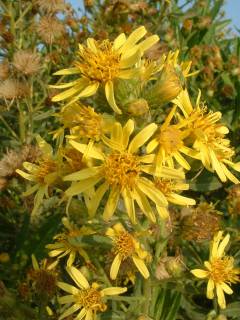
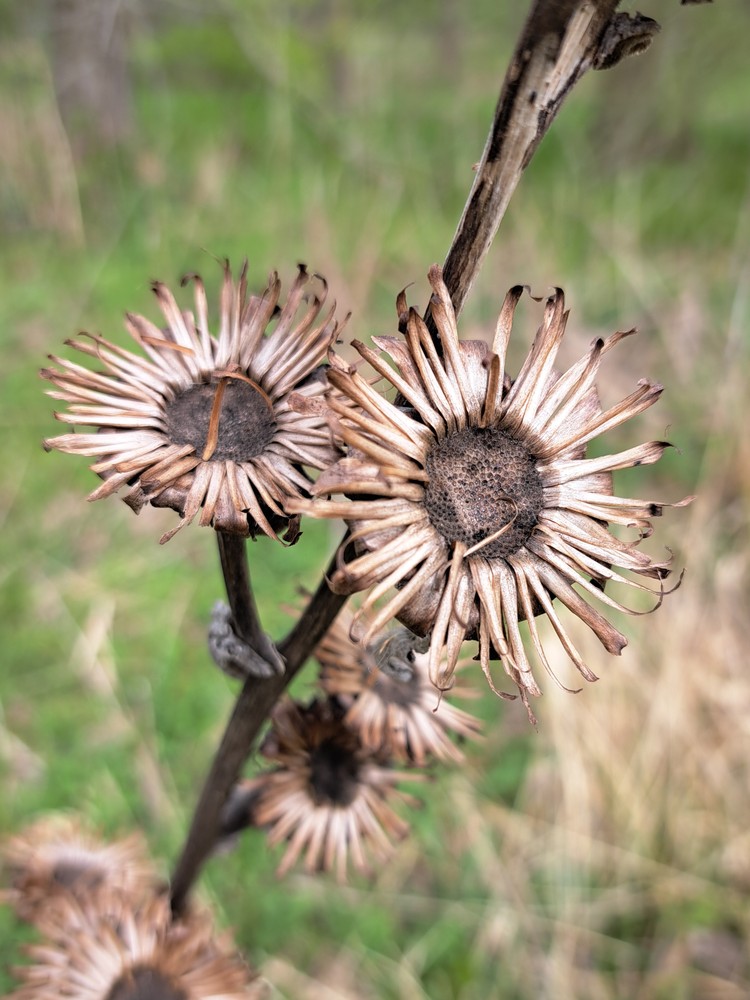
Inula is a genus of about 90 perennials and subshrubs in the daisy family (Asteraceae), native to Europe, Asia, and Africa. Plants vary from compact, front-of-border species 8-12 inches (20-30 cm) tall to bold, clump-forming giants such as I. helenium and I. magnifica, which reach 4-8 feet (1.2-2.4 m). The leaves are large, often coarse and hairy, lance-shaped to broadly oval, with the basal leaves of the tall species sometimes exceeding 18 inches (45 cm). Through summer the plants carry yellow daisy flowers with very narrow, thread-like ray petals around a darker yellow disc, borne singly or in branched clusters and ranging from 1 to 5 inches (2.5-13 cm) across. They grow in damp meadows, along streambanks, on woodland edges, and on rocky slopes, and most need full sun and reliably moist soil. I. helenium (elecampane) has a long history as a medicinal herb, its aromatic roots once used in remedies. The taller species can flop or self-seed freely and may need staking or deadheading to stay in bounds.
Native Range
Inula is native to Europe, Asia, and Africa, with a concentration of species around the Mediterranean and in temperate Asia. Plants grow in damp meadows, along streams, on woodland margins, and on rocky slopes.Suggested Uses
Inula is grown in sunny borders, wildlife and cottage gardens, and damp or streamside plantings, where the yellow daisies draw bees and butterflies. The large species are used at the back of borders or in naturalistic schemes, while compact kinds suit edging.How to Identify
Appearance
Size & Dimensions
Height8" - 8'
Width/Spread1' - 4'
Bloom Information
Inula flowers from early to late summer, generally June through August. The bright yellow flowers have narrow, thread-like ray petals and are carried singly or in branched heads over many weeks. Deadheading extends the bloom and limits the heavy self-seeding of some species.
Detailed Descriptions
Foliage Description
greenGrowing Conditions
Sun Requirements
Requires 6-10 hours of direct sunlight daily
• Full Sun: 6+ hours of direct sunlight
• Partial Shade: 3-6 hours of direct sunlight
• Full Shade: Less than 3 hours of direct sunlight