Hydrophyllum, Genus, capitatum, Species,
- Genus & species
ballhead waterleaf
Overview
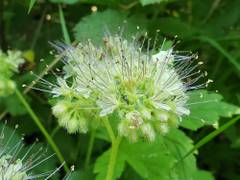
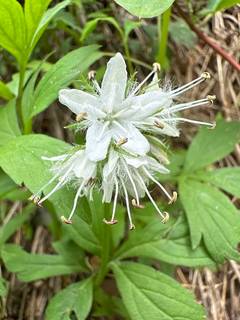
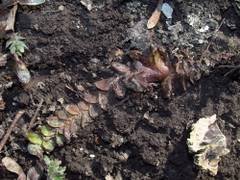
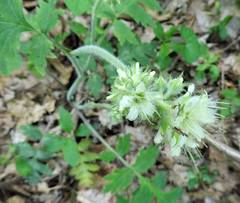
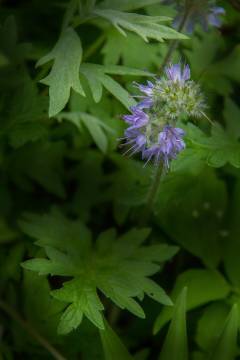
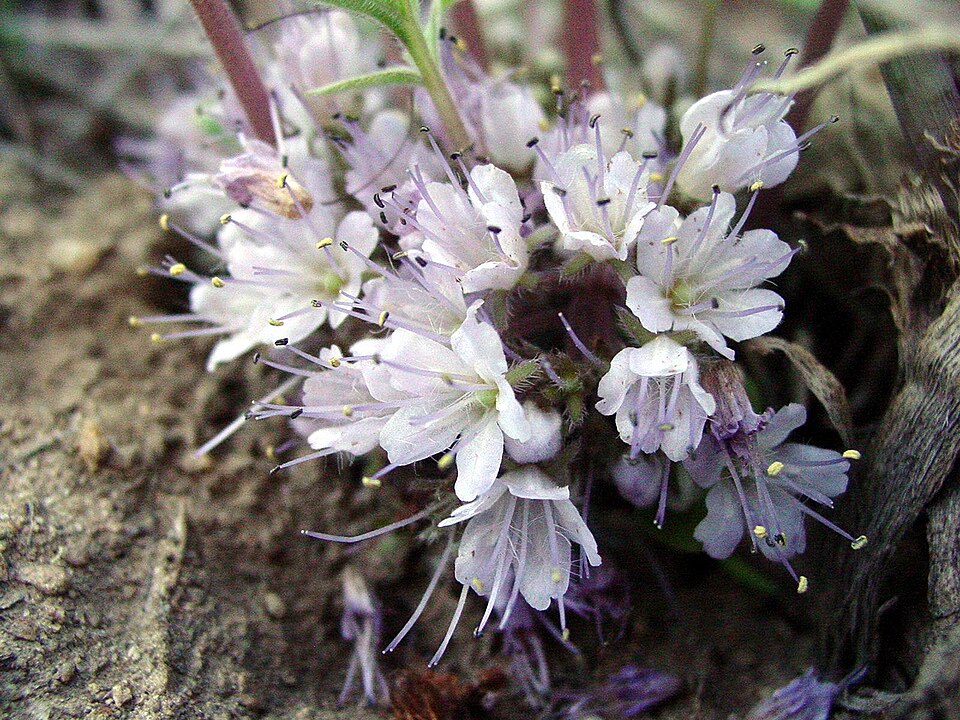
Hydrophyllum capitatum is a low herbaceous perennial reaching 4-16 inches (10-40 cm) tall, growing from a cluster of fleshy roots. Leaves are mostly basal, 2-6 inches (5-15 cm) long, pinnately divided into 5-9 lobed segments, with a soft, slightly hairy texture. Flowers are crowded into dense, rounded, ball-like clusters 0.6-1.2 inches (1.5-3 cm) across, each flower bell-shaped and 0.25-0.4 inch (6-10 mm) long, lavender-blue to white, with stamens that protrude well beyond the petals. The flower clusters are held on stalks that in some forms sit below the leaves, partly hidden by the foliage. Bloom occurs from April through June, often as snow recedes. After flowering and seed set the plant goes dormant by midsummer, the foliage yellowing and dying back. Growth is clump-forming, expanding slowly from the root crown. The brief growing season and early dormancy leave bare ground by July, which limits its use as continuous groundcover.
Native Range
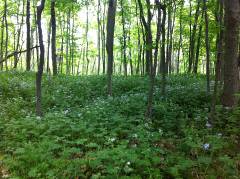
Native to western North America from British Columbia south to California and east to the Rocky Mountains in Montana, Wyoming, and Colorado. Grows in moist woodlands, shaded slopes, streamsides, and sagebrush communities, often on north-facing slopes, from low valleys to subalpine elevations of 3,000-9,000 feet (900-2,700 m).Suggested Uses
Planted in woodland and native plant gardens, shaded rock gardens, and along stream edges at 8-12 inch (20-30 cm) spacing. Suited to spring-active, summer-dormant plantings combined with later-emerging perennials that fill the gap after dormancy. The young leaves and shoots are edible when cooked and were gathered by Indigenous peoples of the region.How to Identify
Appearance
Size & Dimensions
Height4" - 1'4"
Width/Spread6" - 1'
Bloom Information
Blooms April through June depending on elevation and snowmelt, flowering earliest at low elevations and into July high in the mountains. Individual clusters last 2-3 weeks; the bloom period spans 4-6 weeks per stand. The plant enters dormancy soon after seed set, with foliage gone by midsummer in dry years.
Detailed Descriptions
Flower Description
lavender-blue to whiteFoliage Description
greenGrowing Conditions
Sun Requirements
Requires 2-6 hours of direct sunlight daily
• Full Sun: 6+ hours of direct sunlight
• Partial Shade: 3-6 hours of direct sunlight
• Full Shade: Less than 3 hours of direct sunlight
Care & Maintenance
Care Guide
Grows in part to full shade in moist, humus-rich soil that stays damp through spring. Keep soil consistently moist during the spring growing season; the plant tolerates summer drought by going dormant, so dry soil after flowering causes no harm. Mulch with leaf litter to retain spring moisture and mimic its woodland habitat. The fleshy roots rot in waterlogged or poorly drained soil. There are few pest or disease problems. Plants spread slowly and can be divided in early spring or after dormancy.Pruning
No pruning is required. Yellowing foliage can be removed once the plant goes dormant in summer, or left to break down in place. Self-sown seedlings appear near established plants and can be thinned.Pruning Schedule
Prune: July
summer
Container Growing
Suitable for container growing
Minimum container size: 1 gallons