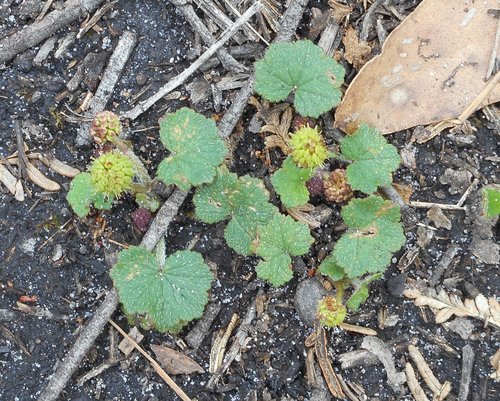
Hydrocotyle, Genus, laxiflora, Species,
- Genus & species
stinking pennywort
Overview
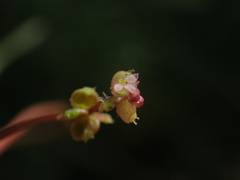
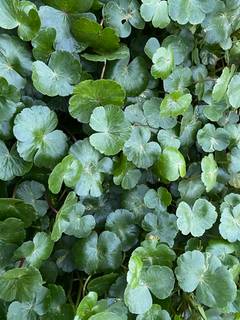
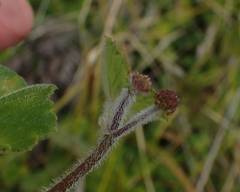
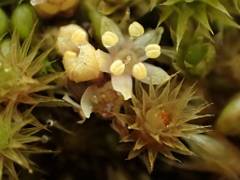
Hydrocotyle laxiflora is a creeping perennial groundcover that spreads by slender underground rhizomes to form loose patches 2-4 inches (5-10 cm) high. The rounded leaves are 0.8-2 inches (2-5 cm) wide, shallowly lobed with scalloped, toothed margins, soft and slightly hairy, held on stalks 1-4 inches (2.5-10 cm) tall, and give off a mild unpleasant smell when crushed. Tiny greenish-white flowers are carried in small, loose, open clusters on thin stalks among the leaves from spring through summer, followed by small flattened fruits. The plant spreads steadily underground and can move beyond a planted area into lawns and beds. It grows in grassy woodland and open ground in moist to seasonally dry soils, dying back in heavy frost or prolonged drought and regrowing from the rhizomes.
Native Range
Native to southeastern Australia, in New South Wales, Victoria, Tasmania, Queensland, and South Australia. Grows in grassy woodland, open forest, and grassland on a range of soils, from moist flats to seasonally dry slopes.Suggested Uses
Grown as a spreading groundcover under trees, in grassy native lawns, and on banks, spaced 10-16 inches (25-40 cm) apart to knit together. Suits informal, low-traffic areas where its underground spread fills space. Its rhizomes can creep into mown lawns and garden beds, so it is contained with an edge in formal settings.How to Identify
Appearance
Size & Dimensions
Height2" - 4"
Width/Spread1' - 2'
Bloom Information
Detailed Descriptions
Foliage Description
greenGrowing Conditions
Sun Requirements
Requires 4-9 hours of direct sunlight daily
• Full Sun: 6+ hours of direct sunlight
• Partial Shade: 3-6 hours of direct sunlight
• Full Shade: Less than 3 hours of direct sunlight
Care & Maintenance
Care Guide
Grows in full sun to part shade in most soils, from moist loams to seasonally dry ground, and tolerates a wide range of garden conditions. Water through the warm months to keep growth lush; the plant dies back in drought and regrows from rhizomes when moisture returns. It spreads steadily underground and can move into lawns and neighbouring beds, so it is grown where some spread is acceptable or contained by an edge. Frost cuts back the foliage, with regrowth from the rhizomes in spring. Few pests trouble it. Patches can be lifted and divided in spring to propagate or control the plant.Pruning
Foliage is mown or sheared in late winter to clear frost-burnt growth before spring. Rhizomes are cut at the edges with a spade to keep the patch within bounds. No other pruning is needed.Pruning Schedule
Prune: July–August
winter
Container Growing
Suitable for container growing
Minimum container size: 2 gallons