Hydrocotyle, Genus, hirta, Species,
- Genus & species
hairy pennywort
Overview
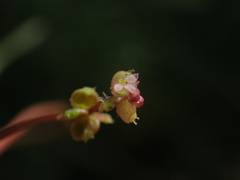
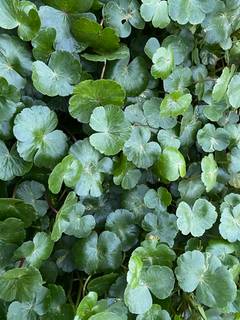
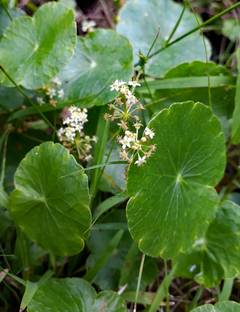
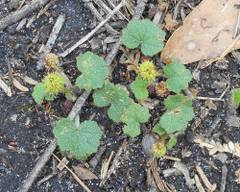
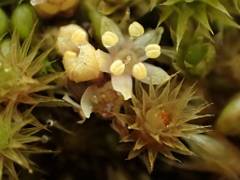
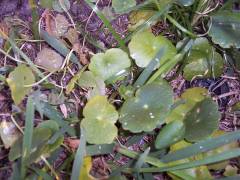
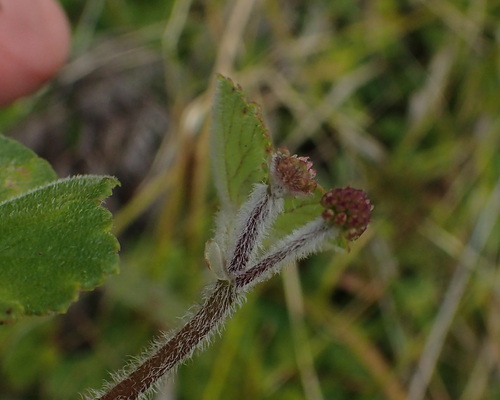
Hydrocotyle hirta is a low creeping perennial in the Araliaceae family, forming a mat 2-4 inches (5-10 cm) tall that spreads indefinitely by stems rooting at the nodes. Leaves are rounded to kidney-shaped, 0.4-1.6 inches (1-4 cm) across, with 5-7 shallow lobes and scalloped margins, carried on hairy stalks 1-4 inches (2.5-10 cm) long. Both the leaves and stalks bear soft hairs, giving the foliage a slightly rough texture. Small greenish-yellow flowers are held in compact umbels on short stalks from spring through summer, followed by flattened ribbed fruit about 0.1 inch (2-3 mm) wide. Growth is rapid in moist soil, with a single plant covering 12-20 inches (30-50 cm) within a season. The mat dies back in dry conditions and regrows from rooted nodes when moisture returns. The spreading habit can extend beyond intended borders and root into lawn or adjacent beds.
Native Range
Native to eastern and southern Australia, including Queensland, New South Wales, Victoria, Tasmania, and South Australia, and also present in New Zealand. Grows in damp grassland, forest floors, creek banks, and other moist, partly shaded sites.Suggested Uses
Used as a groundcover in moist shaded gardens, between stepping stones, and along pond and creek margins. Tolerates light foot traffic once established. The rapid spread can crowd out smaller plants in mixed plantings.How to Identify
Appearance
Size & Dimensions
Height2" - 4"
Width/Spread1' - 2'
Bloom Information
Flowers from spring through summer, roughly September to February in its native range. The greenish-yellow umbels are inconspicuous against the foliage and last several weeks. Flowering decreases when the mat dries out during summer drought.
Detailed Descriptions
Foliage Description
greenGrowing Conditions
Sun Requirements
Tolerates up to 4 hours of direct sunlight daily
• Full Sun: 6+ hours of direct sunlight
• Partial Shade: 3-6 hours of direct sunlight
• Full Shade: Less than 3 hours of direct sunlight
Care & Maintenance
Care Guide
Grows in part shade to full shade on moist, humus-rich soil. Water to keep the soil consistently damp; the foliage thins and browns during dry spells and regrows when moisture returns. Spreads quickly by rooting stems and can move into lawns or neighboring beds. Few pests affect it, though slugs and snails feed on young leaves in wet conditions. Plants persist for many years and renew from rooted nodes, requiring no division.Pruning
Trim runners along bed edges through the growing season to contain the spread. Mowing or shearing the mat removes browned summer foliage and brings on fresh growth. No flower removal is needed.Pruning Schedule
Prune: January & October
late springsummer
Container Growing
Suitable for container growing
Minimum container size: 1 gallons