Hyacinthus, Genus, spp., Multiple species,
- Genus
- Multiple species
hyacinths
Eastern Mediterranean and western Asia
Overview
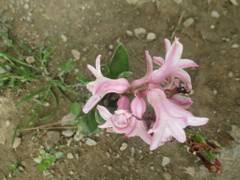
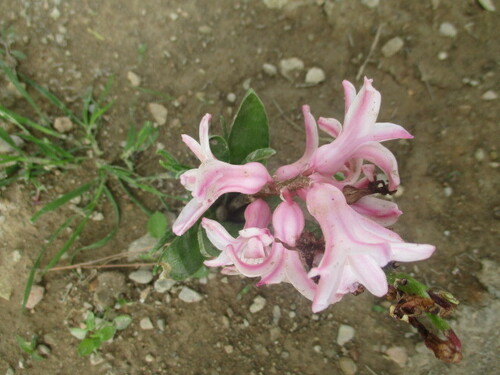
Hyacinthus is a small genus of three species of bulbous perennials in the family Asparagaceae, native to the eastern Mediterranean and western Asia. The garden hyacinth, H. orientalis, is the source of the many cultivated forms. Plants grow from a tunicated bulb 1.5-3 inches (4-7.5 cm) across and reach 6-12 inches (15-30 cm) tall in flower. Each bulb produces a basal rosette of four to six strap-shaped, glossy green leaves and a single thick, upright stalk. The stalk carries a dense cylindrical raceme of 20 to 40 outward-facing, bell-shaped flowers, each with six recurved lobes. Wild plants bear loose spikes of blue to violet flowers; cultivated forms range across blue, purple, pink, red, white, cream, and pale yellow. The flowers are strongly fragrant. All parts contain oxalate crystals and other compounds, and the bulbs can irritate skin and are poisonous if eaten. Plants flower in early to mid spring, then die back to the bulb by early summer and stay dormant until the following year. Garden bulbs often produce smaller, looser flower spikes after the first season.
Native Range
Hyacinthus is native to the eastern Mediterranean and western Asia, including Turkey, Syria, Lebanon, and Iran. Wild populations grow on rocky hillsides and in scrub. Centuries of cultivation have spread H. orientalis far beyond its natural range.Suggested Uses
Hyacinthus is planted in spring beds, borders, and containers, and is widely forced indoors for winter bloom. The fragrant spikes are used in mixed bulb plantings and as cut flowers. Bulbs are also grown in water over forcing glasses.How to Identify
Appearance
Size & Dimensions
Height6" - 1'
Width/Spread3" - 6"
Bloom Information
Hyacinths flower in early to mid spring, typically March to April in temperate gardens. Each spike lasts about two to three weeks. After flowering, leaves persist briefly before the plant dies back to the dormant bulb by early summer.
Detailed Descriptions
Flower Description
blue, purple, pink, red, white, cream, or yellowFoliage Description
greenGrowing Conditions
Sun Requirements
Requires 6-8 hours of direct sunlight daily
• Full Sun: 6+ hours of direct sunlight
• Partial Shade: 3-6 hours of direct sunlight
• Full Shade: Less than 3 hours of direct sunlight
Care & Maintenance
Care Guide
Hyacinthus grows in full sun to light shade on well-drained soil with a pH near 6.0 to 7.0. Bulbs are planted in autumn about 4-6 inches (10-15 cm) deep for spring bloom. Cold winter dormancy is needed to trigger flowering, and plants are hardy in USDA zones 4 to 8. Even moisture during growth supports full spikes, but wet summer soil rots dormant bulbs. Flower spikes shrink in later years, so many growers treat hyacinths as short-term plantings. The bulbs contain skin-irritant oxalates.Pruning
Remove spent flower spikes after blooming to stop seed formation. Let the leaves die down naturally so the bulb can rebuild reserves. Dormant bulbs may be lifted and stored once the foliage has yellowed.Container Growing
Suitable for container growing
Minimum container size: 1 gallons