Huperzia, Genus, spp., Multiple species,
- Genus
- Multiple species
temperate firmosses
Northern Hemisphere (North America, Europe, Asia)
Overview
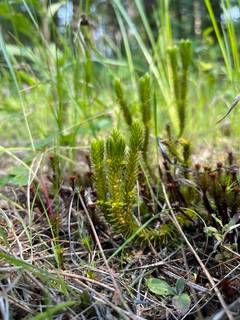
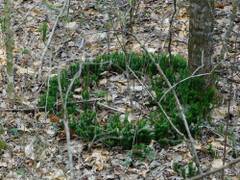
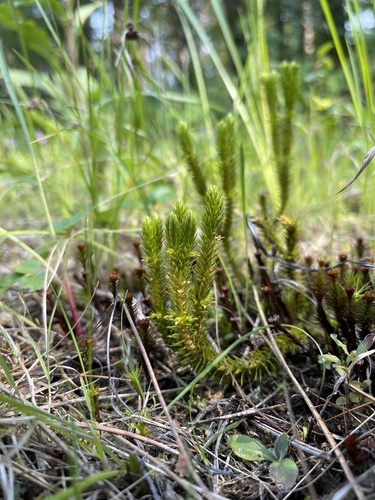
Huperzia is a genus of clubmosses, or firmosses, in the family Lycopodiaceae, an ancient lineage of small, evergreen, spore-bearing vascular plants. The temperate firmosses are low, tufted plants 2-10 inches (5-25 cm) tall, with erect or arching unbranched to forking stems densely clothed in small, stiff, needle-like leaves (microphylls) arranged in spirals. Unlike ferns, they have no large fronds; the leaves are tiny and one-veined. Spores are produced in kidney-shaped sporangia tucked into the upper leaf axils rather than in distinct cones. Many species also form tiny vegetative bulbils, called gemmae, that detach and grow into new plants. Huperzia grows in cool, humid habitats such as acidic coniferous and mixed forest, mossy banks, alpine heath, and tundra across the Northern Hemisphere. The plants depend on a soil fungus during establishment and are slow to grow from spores, which makes them hard to cultivate or transplant. Several species contain the alkaloid huperzine A, studied for its effect on the nervous system.
Native Range
Native across the cool-temperate, boreal, and alpine Northern Hemisphere, including North America, Europe, and northern and montane Asia. Plants grow in acidic coniferous and mixed forest, on mossy banks and rotting logs, and in alpine heath and tundra, in shade to part shade on humus-rich, moist ground.Suggested Uses
Grown chiefly by specialists in cool, shaded woodland gardens, alpine houses, and humid terrariums, where the moss-like evergreen tufts suit naturalistic, acidic plantings. The temperate firmosses are not suited to general borders or containers in warm climates. In the wild they are part of forest-floor and alpine plant communities, where collection harms slow-growing populations.How to Identify
Appearance
Size & Dimensions
Height2" - 10"
Width/Spread2" - 8"
Bloom Information
As a clubmoss, Huperzia does not flower; it reproduces by spores and by vegetative gemmae. Spores ripen in the leaf-axil sporangia mainly in summer and autumn and are released to the wind, though they germinate slowly over several years. The gemmae detach in the growing season and root nearby. The plants are evergreen and change little through the year.
Detailed Descriptions
Foliage Description
green to yellow-greenGrowing Conditions
Sun Requirements
Tolerates up to 4 hours of direct sunlight daily
• Full Sun: 6+ hours of direct sunlight
• Partial Shade: 3-6 hours of direct sunlight
• Full Shade: Less than 3 hours of direct sunlight
Care & Maintenance
Care Guide
Huperzia are exacting plants rarely grown in ordinary gardens. They need cool, humid, shaded conditions and an acidic, open, humus-rich medium that stays evenly moist but never waterlogged. Establishment depends on an association with soil fungi, so divisions and wild plants seldom survive transplanting, and spore-raising is very slow. Temperate species are cold-hardy but intolerant of heat, drought, lime, and disturbance. Gemmae give the most practical means of increase, grown on in the same cool, moist, acidic conditions. Because of these needs, the genus is mostly seen in the wild, in specialist collections, and in terrariums.Pruning
No pruning is needed or advisable. Dead or damaged stems are simply removed by hand if they detract from the planting. The slow-growing plants are otherwise left undisturbed.Container Growing
Suitable for container growing