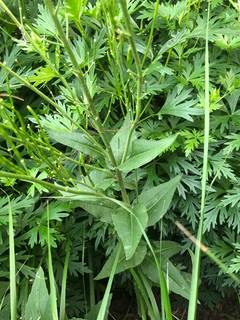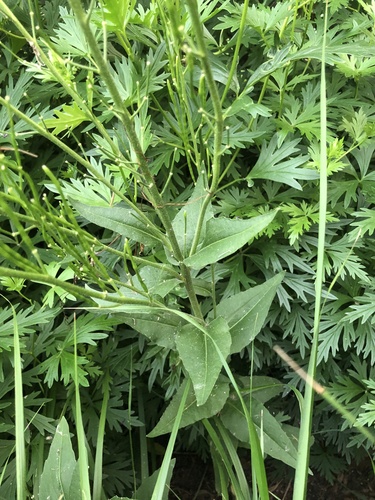
Hesperis, Genus, spp., Multiple species,
- Genus
- Multiple species
Dame's rockets
Europe, Mediterranean, and temperate Asia
Overview
Hesperis is a genus of about 25 species of biennial and short-lived perennial herbs in the cabbage family, Brassicaceae, native to Europe, the Mediterranean, and temperate Asia. The most familiar species, H. matronalis, dame's rocket or sweet rocket, forms a leafy rosette in its first year and sends up branched flowering stems 2 to 4 feet (60 to 120 cm) tall in its second. The four-petalled flowers are carried in loose clusters in shades of white, pink, mauve, and purple, and are fragrant in the evening. Bloom comes in late spring and early summer, followed by long, narrow seed pods. The leaves are lance-shaped, toothed, and roughly hairy. Plants grow easily in sun or light shade on moist, fertile soil and self-seed freely, naturalising along roadsides, woodland edges, and stream banks. H. matronalis has escaped widely from gardens in North America and is listed as an invasive or restricted species in several US states and Canadian provinces. The genus is grown as a cottage-garden and wildflower plant for its scented late-spring flowers, though individual plants are short-lived and need self-seeding or resowing to persist.
Native Range
Hesperis is native to Europe, the Mediterranean region, and temperate and central Asia. H. matronalis ranges across much of Europe and western Asia. It is not native to North America, where it has naturalised widely after escaping from cultivation.Suggested Uses
Dame's rocket is grown in cottage gardens, wildflower meadows, and informal borders for its scented late-spring flowers. The evening fragrance draws moths and other night pollinators. In regions where H. matronalis is invasive, native alternatives are planted in its place.How to Identify
Appearance
Size & Dimensions
Height2' - 4'
Width/Spread1' - 2'
Bloom Information
Flowering occurs in late spring and early summer, mainly May and June, lasting several weeks. The scent is strongest in the evening and at night, drawing moths and long-tongued insects. Removing spent stems can bring a lighter second flush and limits self-seeding.
Detailed Descriptions
Flower Description
White, pink, mauve, or purpleFoliage Description
GreenGrowing Conditions
Sun Requirements
Requires 4-8 hours of direct sunlight daily
• Full Sun: 6+ hours of direct sunlight
• Partial Shade: 3-6 hours of direct sunlight
• Full Shade: Less than 3 hours of direct sunlight
Care & Maintenance
Care Guide
Hesperis grows in full sun to part shade on moist, fertile, free-draining soil and tolerates a wide pH from about 6.0 to 7.5. Plants are easy from seed and behave as biennials or short-lived perennials, flowering in their second year and often dying afterwards. Steady moisture suits them, though established plants tolerate short dry spells. They self-seed freely, so a colony renews itself if some seed heads are left. Where H. matronalis is regulated, growing it may be restricted, and removing spent flowers before seed set limits its spread. Few pests trouble the plants, though caterpillars and flea beetles can chew the foliage.Pruning
Cutting back the flowering stems after bloom can encourage a second flush and reduces self-seeding. Spent plants are pulled or cut once they have finished their two-year cycle. Where the plant is invasive, seed heads are removed before they ripen to limit spread.Toxicity
Non-toxicPlanting Guide
Planting Methods & Timing
Planting Method
direct sow