Hemizonia, Genus, spp., Multiple species,
- Genus
- Multiple species
tarweed
California and the Pacific Coast of North America
Overview
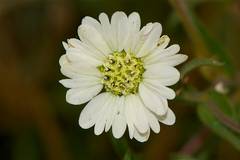
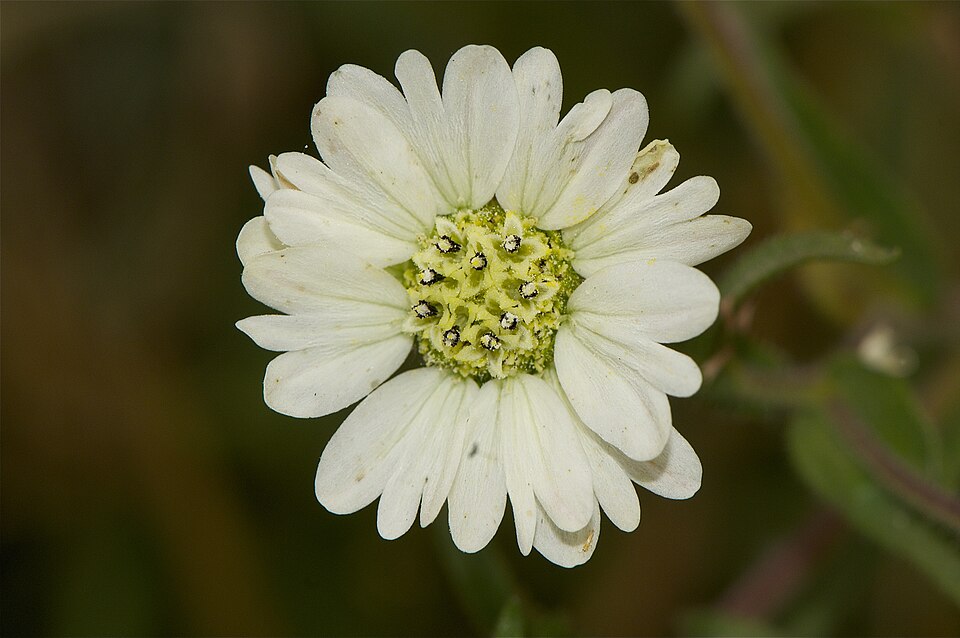
Hemizonia is a genus of annual herbs in the daisy family, Asteraceae, native to California and the wider Pacific Coast, and counted among the plants known as tarweeds. The stems and leaves are coated with sticky glands that release a strong resinous, tar-like scent, especially in heat. Plants branch from a basal rosette to 6-48 inches (15-120 cm) tall, with narrow lower leaves that are often toothed or lobed. From summer into autumn the branch tips carry small yellow daisy heads about 0.4-0.8 inch (1-2 cm) across, with notched rays around a yellow disk; some have a darker base to the rays. Many former members of the genus have been moved to Deinandra, narrowing Hemizonia in the strict sense. Tarweeds flower through the dry season when surrounding annuals have set seed and died. The sticky foliage collects dust and clings to skin and clothing.
Native Range
Native to the California Floristic Province of western North America, mainly California and adjacent Baja California, on dry grassland, open hills, and disturbed ground. Tarweeds are a characteristic part of the summer-dry coastal and inland flora.Suggested Uses
Used in dry meadow and habitat plantings, broadcast over open ground at low density. The late-season heads feed bees and butterflies after other annuals have gone, and serve as a larval host for some butterflies. Seed draws finches and other small birds.How to Identify
Appearance
Size & Dimensions
Height6" - 4'
Width/Spread6" - 2'
Bloom Information
Detailed Descriptions
Foliage Description
greenGrowing Conditions
Sun Requirements
Requires 6-12 hours of direct sunlight daily
• Full Sun: 6+ hours of direct sunlight
• Partial Shade: 3-6 hours of direct sunlight
• Full Shade: Less than 3 hours of direct sunlight
Water & Climate
Water Needs
Care & Maintenance
Care Guide
As dry-climate annuals, tarweeds grow in full sun and well-drained soil, including lean clay, loam, and sandy ground. Seed germinates with autumn and winter rains, and plants flower through the following dry summer with little or no added water. They tolerate heat, drought, and poor fertility but not deep shade or saturated soil. Rich, moist ground produces taller, leafier plants that may flop. Self-sown seedlings reappear on open soil where plants set seed.Pruning
No pruning is needed for these short-lived annuals. Plants are pulled or cut once they brown after seed set. Removing heads before seed ripens reduces self-sowing where it is not wanted.Toxicity: Not assessed
UnknownPlanting Guide
Planting Methods & Timing
Planting Method
direct sow
Direct Sow Timing
autumn
Plant Spacing
8 inches