Hedypnois, Genus, spp., Multiple species,
- Genus
- Multiple species
scaly hawkbit
Overview
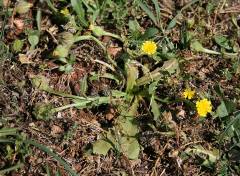
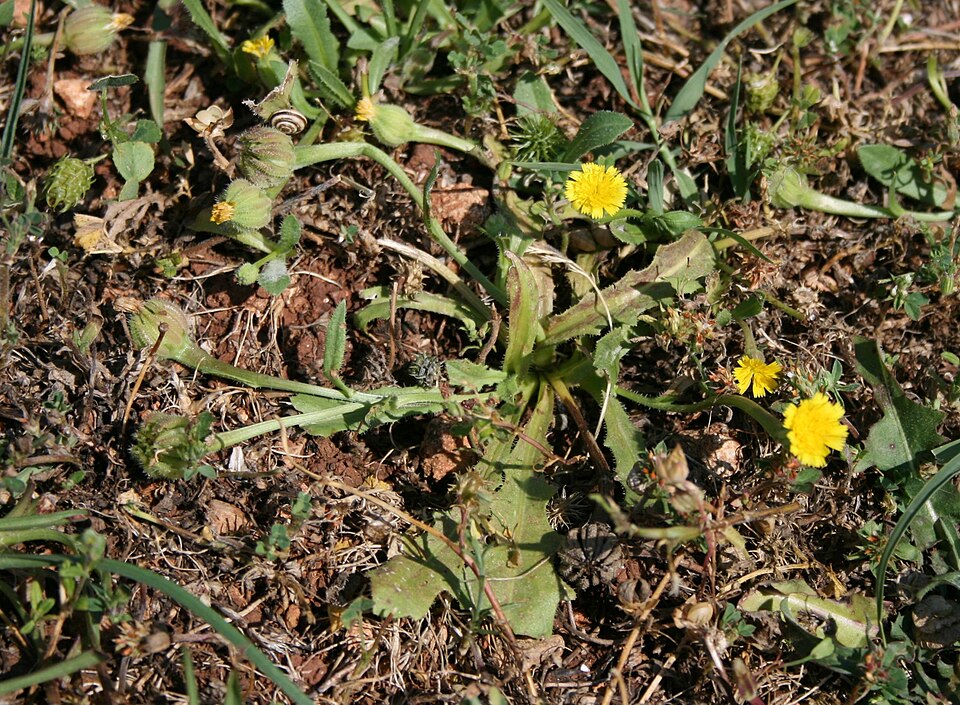
Hedypnois is a small genus of annual herbs in the daisy family, Asteraceae, native to the Mediterranean region and the Atlantic islands. Plants begin as a basal rosette of bristly, lobed or toothed leaves and send up branching, ascending stems 4-16 inches (10-40 cm) tall. Each stem tip bears a single yellow flower head 0.4-0.8 inch (1-2 cm) across, made up entirely of strap-shaped ray florets, in the manner of a small hawkbit or dandelion. The heads close in dull weather and ripen into curved, beaked achenes, with the outer fruits partly enclosed by the bracts. The common species H. rhagadioloides is widespread on dry, disturbed, and stony ground and has naturalized in California and parts of Australia. Plants complete their life cycle in a single season, dying after seed set. Because they self-seed freely on bare ground, they can spread well beyond where they were sown.
Native Range
Native to the Mediterranean Basin and the Macaronesian islands, on dry grassland, rocky slopes, roadsides, and disturbed ground. The genus has naturalized in other warm, dry-summer regions, including California and southern Australia.Suggested Uses
Used in dry meadow and naturalistic plantings on poor soils, broadcast at low density over open ground. The spring heads are an early nectar and pollen source for small bees and other insects. In cultivated beds the free self-sowing usually outweighs any ornamental role.How to Identify
Appearance
Size & Dimensions
Height4" - 1'4"
Width/Spread4" - 1'
Bloom Information
Flowering occurs mainly in spring, generally March to May, with the timing tracking winter rainfall. Heads open in morning sun and close by midday or in overcast weather. Seed ripens quickly, and plants finish within a few weeks of flowering.
Detailed Descriptions
Foliage Description
greenGrowing Conditions
Sun Requirements
Requires 6-12 hours of direct sunlight daily
• Full Sun: 6+ hours of direct sunlight
• Partial Shade: 3-6 hours of direct sunlight
• Full Shade: Less than 3 hours of direct sunlight
Water & Climate
Water Needs
Care & Maintenance
Care Guide
As a Mediterranean annual, the plant grows in full sun and free-draining sandy, rocky, or loamy soil, including thin and calcareous ground. Seed germinates with autumn or winter rains, the rosette develops over the cool season, and flowering follows in spring. No irrigation is needed in regions with winter moisture and dry summers. The plant tolerates poor, dry soils but not waterlogging or deep shade. Where it naturalizes, volunteer seedlings appear on open ground each year.Pruning
No pruning is needed for this short-lived annual. Removing flower heads before seed ripens limits self-sowing where the plant is not wanted. Whole plants are pulled once they yellow and dry at the end of the season.Toxicity: Not assessed
UnknownPlanting Guide
Planting Methods & Timing
Planting Method
direct sow
Direct Sow Timing
autumn or early spring in mild-winter climates
Plant Spacing
6 inches