Halesia, Genus, monticola, Species,
- Genus & species
mountain silverbell
Appalachian Mountains, southeastern US (West Virginia to Georgia; rich cove forests, 3,000-5,500 feet / 900-1,700 m)
Overview
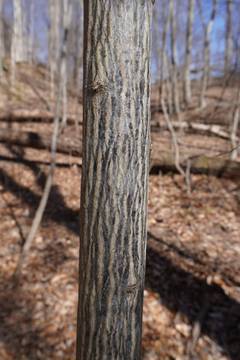
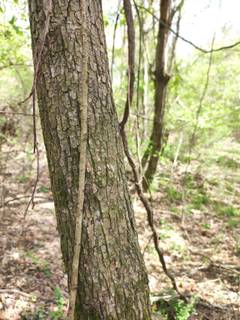
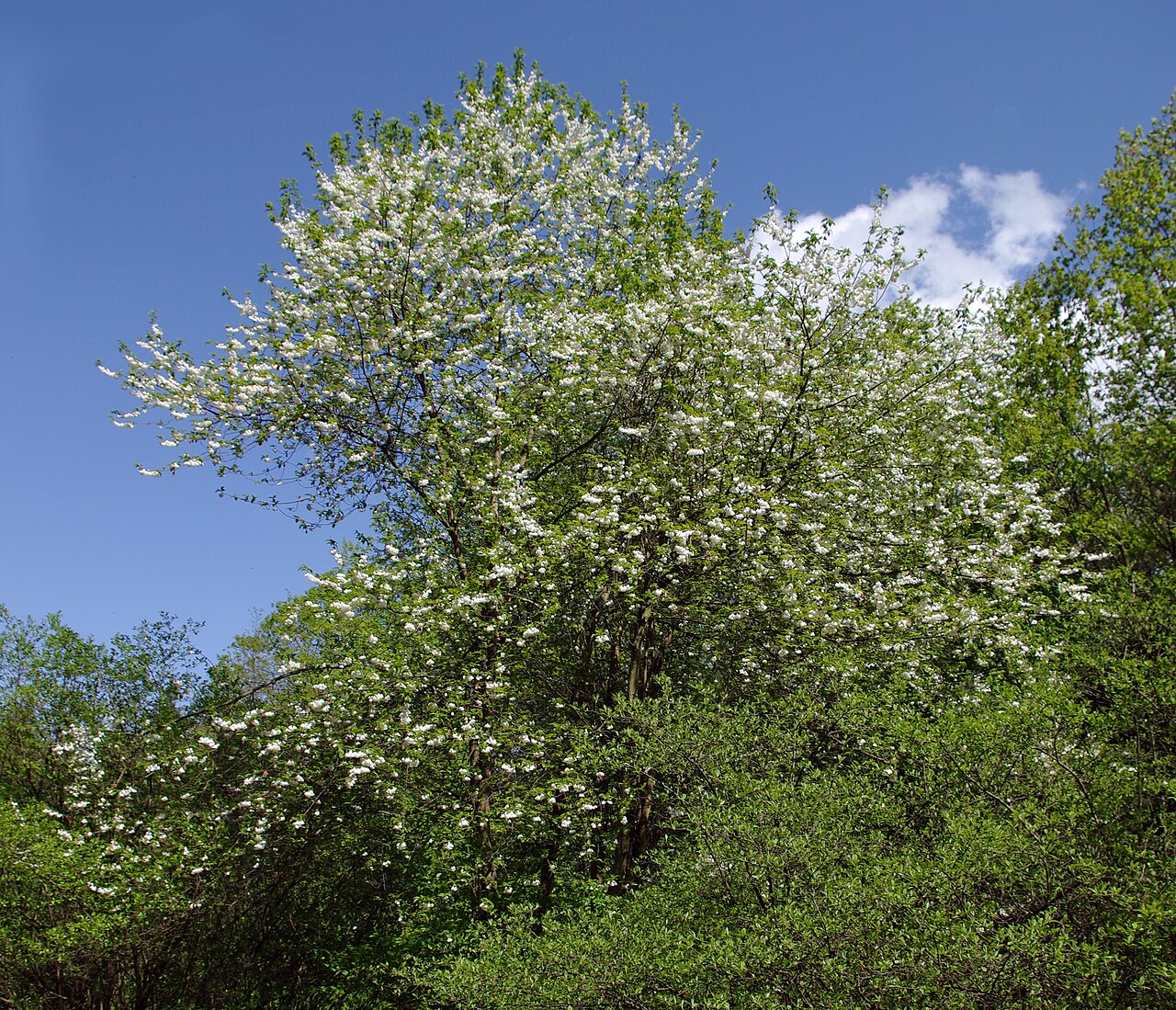
Halesia monticola is the mountain silverbell (mountain snowdrop tree), a deciduous tree growing 300-480 inches (750-1,200 cm / 25-40 feet) tall and 240-360 inches (600-900 cm / 20-30 feet) wide. Pendant white bell-shaped flowers 0.75-1 inch (18-25 mm) in clusters of 2-5 along the branches in spring (April-May), appearing before full leaf emergence — the flowers hang below the branches and are visible from below. Dark green ovate to elliptic leaves 3-6 inches (7-15 cm). Yellow fall foliage. Exfoliating platy bark in gray, brown, and tan patches — visible in winter. Four-winged dry drupes 1.5-2 inches (4-5 cm) persist into winter. In the storax family (Styracaceae). Now often treated as a variety of H. tetraptera (syn. H. carolina) rather than a separate species — H. monticola is larger and has larger flowers than the lowland form. Named after Stephen Hales (1677-1761), English clergyman and plant physiologist. Native to rich cove forests of the Appalachian Mountains (West Virginia to Georgia) at 3,000-5,500 feet (900-1,700 m). Acidic moist soil (pH 5.0-6.5). Intolerant of drought and alkaline conditions. Non-toxic. Deer-resistant. Part sun to full sun. Native. Zones 4-8. Growth rate is moderate.
Native Range
Native to the Appalachian Mountains of the southeastern United States (West Virginia to Georgia), growing in rich cove forests at 3,000-5,500 feet (900-1,700 m).Suggested Uses
Commonly planted as a specimen and understory tree at woodland edges in zones 4-8. The pendant spring bell flowers, the exfoliating winter bark, and the 4-winged fruits provide multi-season interest. Position where the pendant flowers are visible from below. Acidic moist soil. Non-toxic. Native.How to Identify
Appearance
Size & Dimensions
Height25' - 40'
Width/Spread20' - 30'
Bloom Information
Spring (April-May), lasting 2-3 weeks. Pendant white bell-shaped flowers 0.75-1 inch (18-25 mm) in clusters before full leaf emergence. The flowers hang below the branches. 4-winged drupes follow.
Detailed Descriptions
Flower Description
White, pendant bell-shaped, 0.75-1 inch (18-25 mm), in clusters of 2-5 along the branches before full leaf emergenceFoliage Description
Dark green, ovate to elliptic, 3-6 inches (7-15 cm), finely serrated; yellow to yellow-green in fallGrowing Conditions
Sun Requirements
Requires 3-8 hours of direct sunlight daily
• Full Sun: 6+ hours of direct sunlight
• Partial Shade: 3-6 hours of direct sunlight
• Full Shade: Less than 3 hours of direct sunlight
Care & Maintenance
Care Guide
Part sun to full sun. Acidic moist well-drained soil pH 5.0-6.5. Intolerant of drought and alkaline conditions. Often treated as a variety of H. tetraptera. No serious pest or disease problems. Non-toxic. Deer-resistant. Native. Zones 4-8.Pruning
Prune in late winter to early spring (February-March). Maintain a single leader. Remove dead, damaged, and crossing branches. The natural crown shape requires minimal intervention.Pruning Schedule
Prune: February–March
winterearly spring