Halesia, Genus, spp., Multiple species,
- Genus
- Multiple species
silverbells
Eastern North America and eastern China
Overview
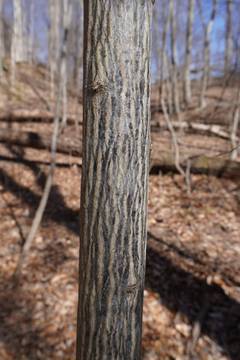
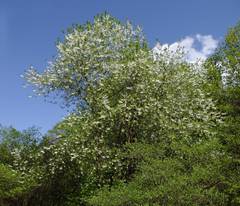
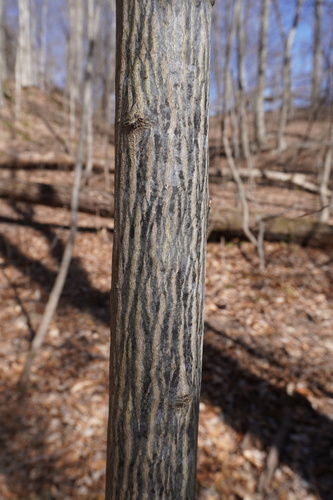
Halesia is a genus of small deciduous trees and large shrubs in the storax family, with most species native to the southeastern United States and one in eastern China. Plants grow 15 to 40 feet (4.5 to 12 m) tall, often multi-trunked, with a rounded, spreading crown and finely furrowed bark. In mid-spring, before or as the leaves expand, the branches hang with clusters of white, bell-shaped flowers 0.5 to 1 inch (1.5 to 2.5 cm) long, each dangling on a slender stalk along the undersides of the twigs. The flowers give way to dry fruit with two or four papery wings that ripen brown and persist into winter. The oval leaves turn pale yellow in fall. The genus needs moist, acid soil and grows poorly on dry, alkaline, or compacted ground, and the spring flowers can be cut short by a late frost.
Native Range
Most Halesia species are native to the southeastern United States, from the Carolinas and Tennessee south along streams, ravines, and moist wooded slopes of the Appalachian region. One species, H. macgregorii, is native to southeastern China. In the wild the genus grows as an understory tree in deciduous forest.Suggested Uses
Grown as a flowering specimen and understory tree in woodland gardens, shrub borders, and near patios where the hanging spring flowers are seen from below. Plants combine with rhododendrons and other acid-loving shrubs. They are spaced 15 to 25 feet (4.5 to 7.5 m) apart.How to Identify
Appearance
Size & Dimensions
Height15' - 40'
Width/Spread15' - 35'
Bloom Information
Flowering occurs in mid-spring, about April to May, as the new leaves emerge. The bell-shaped flowers open over one to two weeks and line the undersides of the branches. A late frost can damage open flowers and reduce the display.
Detailed Descriptions
Flower Description
white, sometimes pinkFoliage Description
green, pale yellow in fallGrowing Conditions
Sun Requirements
Requires 4-8 hours of direct sunlight daily
• Full Sun: 6+ hours of direct sunlight
• Partial Shade: 3-6 hours of direct sunlight
• Full Shade: Less than 3 hours of direct sunlight