Hacquetia, Genus, spp., Multiple species,
- Genus
- Multiple species
hacquetia
Overview
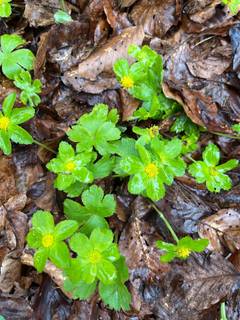
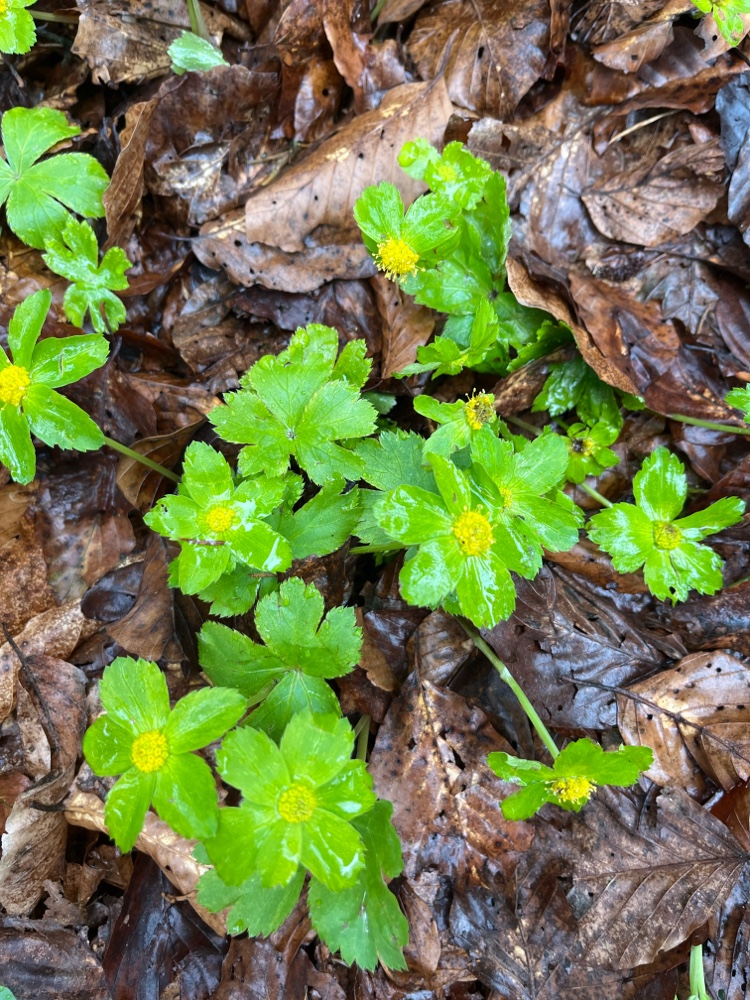
Hacquetia is a genus in the carrot family (Apiaceae) represented by a single species, H. epipactis, a low, clump-forming perennial native to the woodlands of central and south-eastern Europe. Plants form neat mounds 4–6 in (10–15 cm) tall and spread slowly to 8–12 in (20–30 cm) wide by short rhizomes. In late winter and early spring, before the leaves fully expand, each stem bears a small dome of tiny yellow-green flowers surrounded by a collar of five to seven bright green leafy bracts, the whole head looking like a single flower about 1 in (2.5 cm) across. The deeply lobed, glossy green leaves enlarge after flowering and form a low groundcover through summer before dying back in autumn. Small ribbed fruits follow the flowers. The plant grows in moist, humus-rich woodland soils in shade and flowers earlier than most woodland perennials, in late winter. It is slow to establish but long-lived and undemanding once settled.
Native Range
Native to central and south-eastern Europe, from the Alps through the Balkans, growing in moist deciduous woodland, shaded gorges, and on limestone soils rich in leaf litter.Suggested Uses
Grown as an early-flowering groundcover in shaded woodland gardens, shady borders, and rock gardens, and at the front of beds under shrubs and trees. It works in drifts with other woodland plants such as hellebores and snowdrops. The long-lasting green bracts add early-season interest in low-light spots.How to Identify
Appearance
Size & Dimensions
Height4" - 6"
Width/Spread8" - 1'
Bloom Information
Flowering occurs in late winter and early spring, often February to April, when the bracted yellow-green heads open before the foliage fully expands. The green bracts hold their colour for many weeks, extending the display well past the true flowers. Ribbed seed heads form as the leaves enlarge.
Detailed Descriptions
Foliage Description
Glossy greenGrowing Conditions
Sun Requirements
Tolerates up to 4 hours of direct sunlight daily
• Full Sun: 6+ hours of direct sunlight
• Partial Shade: 3-6 hours of direct sunlight
• Full Shade: Less than 3 hours of direct sunlight
Care & Maintenance
Care Guide
Plants grow in part to full shade in moist, humus-rich, free-draining soils, and tolerate clay and limestone but not drought or hot, dry exposure. Even moisture through the growing season suits them, with a cool root run under leaf litter or mulch. The species is fully frost-hardy and dies back to the rootstock in autumn. It spreads slowly by short rhizomes and is propagated by division in early autumn or spring, or from fresh seed, which can be slow to germinate. Plants are slow to settle but long-lived once established. Slugs may graze the emerging spring growth.Pruning
No pruning is needed beyond removing tattered or spent foliage at the end of the season. Seed heads can be left to self-sow or cut off to keep the clump tidy. The plant is left undisturbed to form lasting mounds.Container Growing
Suitable for container growing
Minimum container size: 1 gallons