Gypsophila, Genus, spp., Multiple species,
- Genus
- Multiple species
Baby's breath
Overview
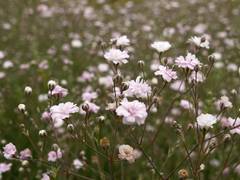
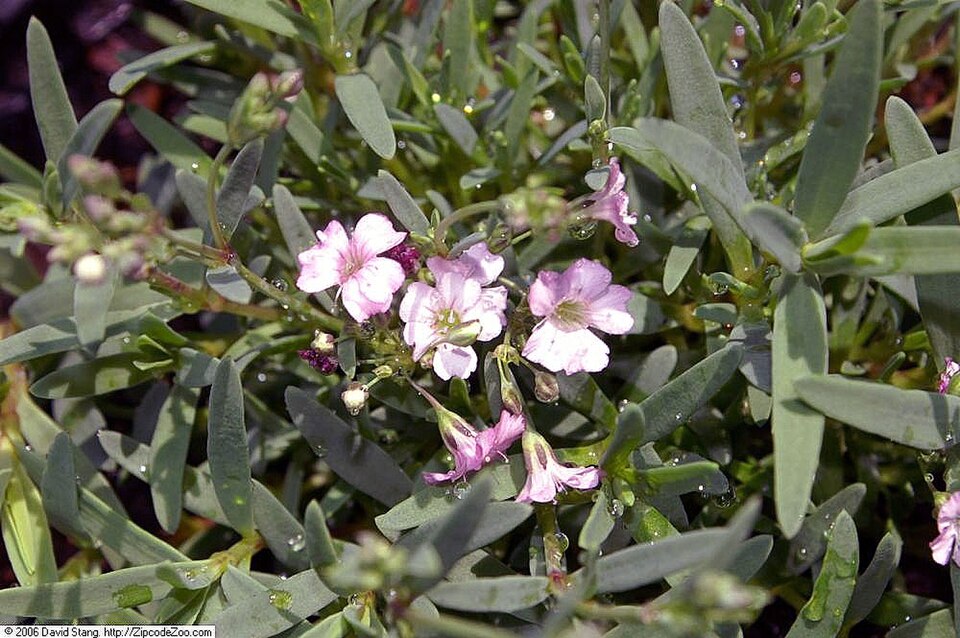
Gypsophila is a genus of about 150 species of annual and perennial herbs in the pink family (Caryophyllaceae), native to Europe, Asia, and North Africa, with the greatest diversity around the eastern Mediterranean and central Asia. Most species form mounds or low cushions of slender, branching stems 6 in to 4 ft (15–120 cm) tall, with narrow, blue-green, paired leaves. From early to midsummer the stems carry airy, much-branched sprays of many tiny five-petalled flowers, each 0.1–0.4 in (3–10 mm) across, in white or shades of pink, creating a cloud-like mass of bloom. The fruit is a small capsule holding numerous seeds. The botanical name, from the Greek for lime-loving, reflects a preference for alkaline, often gypsum-rich or chalky soils. Perennial species such as G. paniculata are widely grown as garden plants and cut flowers, while alpine species such as G. repens form low mats for rock gardens. In parts of North America G. paniculata has naturalised and is treated as an invasive weed.
Native Range
Native to Europe, Asia, and North Africa, with most species in the eastern Mediterranean and the steppes and mountains of central Asia. Plants grow in open grassland, steppe, rocky slopes, and other sites with alkaline, free-draining soils.Suggested Uses
Grown in borders, cottage gardens, and cutting gardens, and the alpine species in rock gardens, troughs, and dry walls. The airy flowers are widely used fresh and dried in bouquets and floral work. Lower, mat-forming species spill over rocks, edges, and retaining walls. In regions where G. paniculata is invasive, sterile or clumping forms are used instead.How to Identify
Appearance
Size & Dimensions
Height6" - 4'
Width/Spread1' - 4'
Bloom Information
Flowering occurs from early to midsummer, around June to August, when the branched stems open clouds of small white or pink flowers over several weeks. Cutting or shearing spent stems can bring a lighter second flush in late summer. Annual species bloom quickly from spring sowings and over a longer succession.
Detailed Descriptions
Foliage Description
Blue-greenGrowing Conditions
Sun Requirements
Requires 6-10 hours of direct sunlight daily
• Full Sun: 6+ hours of direct sunlight
• Partial Shade: 3-6 hours of direct sunlight
• Full Shade: Less than 3 hours of direct sunlight
Water & Climate
Water Needs
Drought Tolerance
Drought tolerant when established
Care & Maintenance
Care Guide
Plants grow in full sun and sharply drained, neutral to alkaline soils, and tolerate poor, stony, and dry ground once established. They grow poorly in heavy, wet, or acidic soils, where the deep roots rot, and may need added lime on acid sites. Watering is moderate, with established plants drought-tolerant. Perennial species form deep, brittle taproots that resent disturbance, so they are left in place rather than divided. Plants are raised from seed, cuttings, or grafting in the case of double-flowered forms. Tall types may need support to stay upright in bloom.Pruning
Spent flower stems are sheared back after the first flush to tidy the plant and encourage a lighter repeat bloom. Perennial clumps are cut to the ground in late autumn or winter once growth dies back. The brittle taproot is left undisturbed.Container Growing
Suitable for container growing
Minimum container size: 2 gallons