Goodyera, Genus, spp., Multiple species,
- Genus
- Multiple species
rattlesnake plantain
Overview
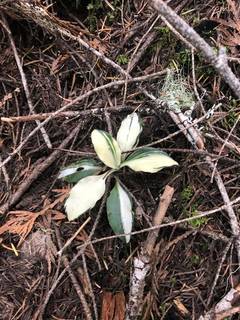
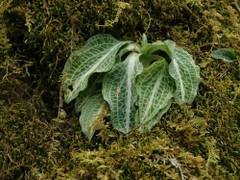
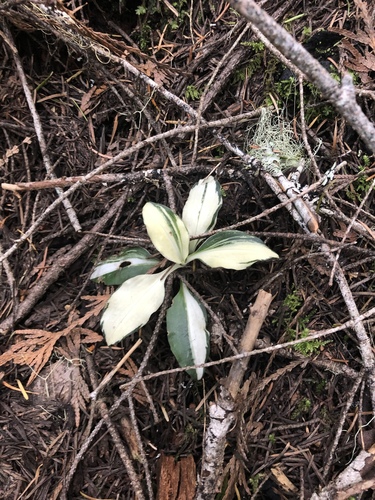
Goodyera is a genus of about 100 species of evergreen terrestrial orchids, widely distributed across the temperate Northern Hemisphere and extending into tropical Asia, Australia, and the Pacific. Plants grow from creeping rhizomes that form spreading colonies, each shoot producing a basal rosette of ovate leaves 1–3 in (2.5–8 cm) long. In many species, including the North American G. pubescens, the dark green leaves are marked with a network of white veins, giving rise to the common name rattlesnake plantain. From the centre of the rosette rises a downy flowering stem 4–16 in (10–40 cm) tall, bearing a slender spike of small white to greenish-white flowers, each about 0.2–0.4 in (5–10 mm) long, in summer. The flowers are pollinated mainly by bumblebees. Like all orchids, the genus depends on symbiotic soil fungi, especially during germination of the dust-like seed, which makes plants slow to establish and difficult to transplant. Most species grow in the leaf litter of cool, shaded coniferous and mixed woodland and spread slowly into low evergreen mats.
Native Range
Distributed across the temperate Northern Hemisphere, from North America through Europe and Asia, with additional species in tropical Asia, Australia, and Pacific islands. Plants grow in the deep leaf litter of shaded coniferous and mixed woodland.Suggested Uses
Grown in shaded woodland and native plant gardens, fern beds, and terrariums, where the patterned evergreen rosettes form a slow groundcover. The white-veined foliage holds interest after flowering ends. It suits cool, moist, low-light spots rather than open borders.How to Identify
Appearance
Size & Dimensions
Height4" - 1'4"
Width/Spread4" - 1'
Bloom Information
Flowering occurs in summer, roughly July to September in the Northern Hemisphere, when each rosette sends up one downy spike of small white flowers. The flowers open from the base of the spike upward over two to four weeks. The leaf rosettes persist year-round, long after the flower stems fade.
Detailed Descriptions
Flower Description
White to greenish-whiteFoliage Description
Dark green with white veinsGrowing Conditions
Sun Requirements
Tolerates up to 4 hours of direct sunlight daily
• Full Sun: 6+ hours of direct sunlight
• Partial Shade: 3-6 hours of direct sunlight
• Full Shade: Less than 3 hours of direct sunlight
Water & Climate
Water Needs
Care & Maintenance
Care Guide
Plants grow in deep, humus-rich, free-draining woodland soils in part to full shade, with steady moisture and cool roots. They depend on symbiotic fungi present in undisturbed leaf litter, so they establish slowly and are slow to recover from transplanting once settled. Even, year-round moisture suits them, with no drying out, though waterlogging in winter causes rot. They are propagated mainly by division of the rhizome in spring, as seed needs the right fungal partner to germinate. Hardiness varies by species, from cold-hardy temperate types to frost-tender tropical ones. Slugs and snails graze the soft evergreen leaves.Pruning
No pruning is needed. Spent flower spikes can be removed at the base once seed is not wanted, and dead or damaged leaves cleared from the rosettes. The evergreen foliage is left intact through winter.Pruning Schedule
fall
Container Growing
Suitable for container growing
Minimum container size: 1 gallons