Gomphrena, Genus, spp., Multiple species,
- Genus
- Multiple species
globe amaranth
Warm regions of the Americas; some species in Australia
SunFull Sun
Overview
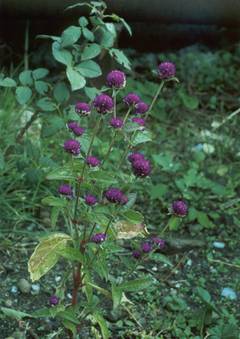
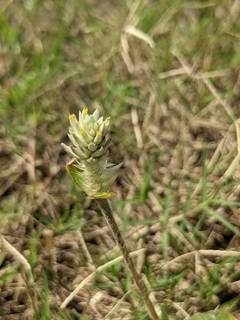
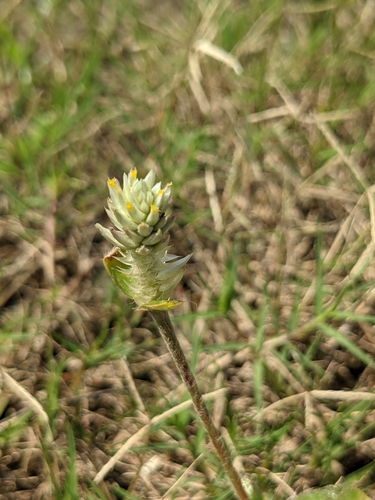
Gomphrena is a genus of around 120 species of annual and perennial plants in the family Amaranthaceae, native mainly to the warm regions of the Americas, with some species in Australia and Asia. Most cultivated kinds are bushy plants 6-24 inches (15-60 cm) tall, with paired oval leaves on slightly hairy stems. The flowers are tiny and are surrounded by stiff, papery bracts packed into rounded, clover-like heads 0.5-1.5 inches (1.5-4 cm) across, in magenta, purple, red, orange, pink, or white. Because the bracts are dry and persistent, the heads hold their color for a long time on the plant and keep it when cut and dried, a trait that places the genus among the everlasting flowers. G. globosa is the species most often grown, as a summer bedding annual and cut flower. Plants grow strongly in heat and full sun and tolerate drought once established, flowering from early summer until frost. They perform poorly in cool, damp, or shaded conditions, where growth is weak and bloom is sparse. Perennial species are frost-tender and treated as annuals outside the tropics.
Native Range
Gomphrena is native chiefly to the warmer parts of the Americas, from the southern United States through Central and South America, with additional species in Australia. G. globosa originates in Central America and has been grown ornamentally for centuries.Suggested Uses
Grown in summer bedding, borders, and containers for the long-lasting papery flower heads, and as a cut and dried flower. The heat and drought tolerance suits hot, sunny sites and low-water plantings. The persistent heads are used in everlasting arrangements and craft work.How to Identify
Appearance
Size & Dimensions
Height6" - 2'
Width/Spread8" - 1'6"
Bloom Information
Flowering runs from early summer until the first frost, a span of several months in warm climates. Each papery head lasts for weeks on the plant, and new heads form continuously at the shoot tips. The long display and persistence of the dried heads extend the season of color well into autumn.
Detailed Descriptions
Flower Description
magenta, purple, red, orange, pink, or whiteFoliage Description
greenGrowing Conditions
Sun Requirements
Requires 6-12 hours of direct sunlight daily
• Full Sun: 6+ hours of direct sunlight
• Partial Shade: 3-6 hours of direct sunlight
• Full Shade: Less than 3 hours of direct sunlight
Water & Climate
Water Needs
Drought Tolerance
Drought tolerant when established
Care & Maintenance
Care Guide
Globe amaranth grows in full sun and average, well-drained soil, and flowers most freely in heat. Plants tolerate drought, poor soil, and humidity once established, which suits them to hot summer beds and containers. They are usually grown as annuals, sown indoors in early spring or direct-sown after the soil warms. Cool, wet, or shaded conditions lead to weak growth and powdery mildew. Spacing of 10-12 inches (25-30 cm) gives bushy plants room to branch. Little feeding is needed, as rich soil produces leafy growth at the expense of flowers.Pruning
Pinch the growing tips of young plants once to encourage branching and more flower heads. Cut flower stems regularly for fresh or dried arrangements, which also prompts further bloom. Spent heads can be left, as the plants continue flowering at the tips without deadheading.Container Growing
Suitable for container growing
Minimum container size: 2 gallons