Gnaphalium, Genus, spp., Multiple species,
- Genus
- Multiple species
cudweed
Temperate and subtropical regions worldwide
SunFull Sun
Overview
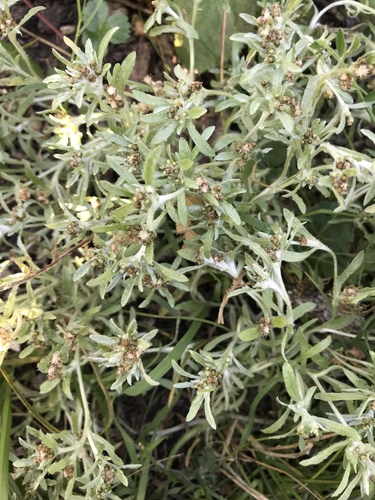
Gnaphalium, the cudweeds, is a genus of woolly annual, biennial, and perennial herbs in the daisy family, Asteraceae, found across temperate and subtropical regions worldwide. The plants are covered in dense white or grey woolly hairs that give the foliage a felted, silvery look and help reduce water loss. Stems are usually erect, 4-24 inches (10-60 cm) tall, clothed in narrow, untoothed leaves. The flower heads are small and crowded into tight terminal clusters; each head has no showy ray florets, only papery straw-colored, whitish, or brownish bracts surrounding tiny disc flowers, giving a dry, everlasting appearance. Flowering runs through summer and autumn. Many plants are short-lived and self-seed freely, and several species behave as weeds of lawns, paths, and disturbed ground. The genus has been redefined over time, with many former species moved to related genera such as Pseudognaphalium and Gamochaeta, so the boundaries of Gnaphalium have narrowed. Most species grow on open, sunny, disturbed sites in poor soils. The woolly foliage is the trait shared across the genus.
Native Range
Gnaphalium is distributed across temperate and subtropical regions on most continents. The plants grow in open, sunny habitats such as grassland, roadsides, fields, and other disturbed ground, often on poor or compacted soils. Several species have spread widely as weeds beyond their original ranges.Suggested Uses
Grown in wildflower, gravel, and dry gardens for the silvery woolly foliage and papery flower clusters. The dried heads are cut for everlasting arrangements. Some species are used in native plantings and others in herbal and folk remedies.How to Identify
Appearance
Size & Dimensions
Height4" - 2'
Width/Spread4" - 1'
Colors
Foliage Colors
Bloom Information
Flowering runs through summer and autumn, generally June to October depending on species and climate. The small flower heads are massed in dense clusters and hold their papery bracts as they dry. Seeds topped with slender hairs follow and disperse on the wind.
Detailed Descriptions
Flower Description
straw, white, brownishFoliage Description
silver-greyGrowing Conditions
Sun Requirements
Requires 6-12 hours of direct sunlight daily
• Full Sun: 6+ hours of direct sunlight
• Partial Shade: 3-6 hours of direct sunlight
• Full Shade: Less than 3 hours of direct sunlight
Water & Climate
Water Needs
Drought Tolerance
Drought tolerant when established
Care & Maintenance
Care Guide
Most species grow in full sun on poor, sandy, free-draining soils and tolerate drought, heat, and low fertility, conditions under which the woolly coating reduces moisture loss. Rich soil and shade produce weak, soft growth. Annual species are grown from seed sown in spring, while perennial species can be divided. The plants self-seed readily and may spread beyond where they are wanted. Hardiness varies widely across the genus, since it includes both tender annuals and frost-hardy perennials. Few pests trouble the plants in the lean, dry conditions they prefer.Pruning
Spent flowering stems are removed to limit self-seeding and keep plants tidy. Annual species are cleared once they die after setting seed. Perennial species can be cut back after flowering to encourage fresh basal growth.Container Growing
Suitable for container growing
Minimum container size: 1 gallons
