Image 1 of 12
1 / 12
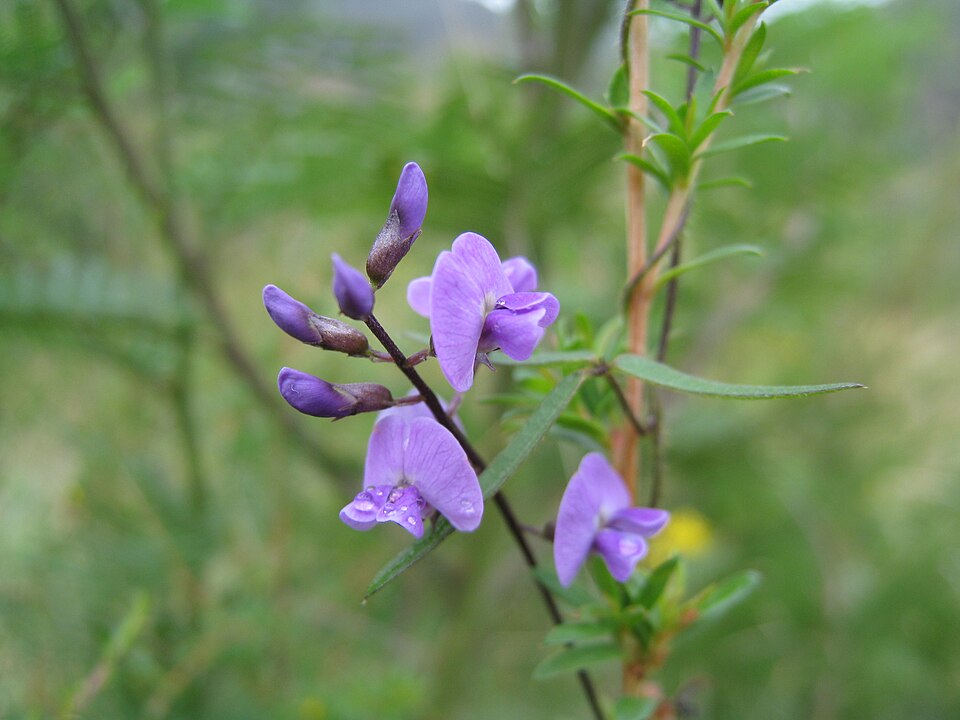
© John Tann from Sydney, Australia, some rights reserved (CC-BY) · Wikimedia Commons
Glycine, Genus, clandestina, Species,
- Genus & species
twining glycine
Overview
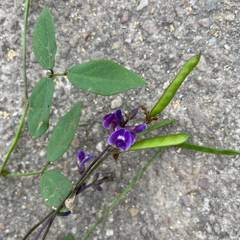
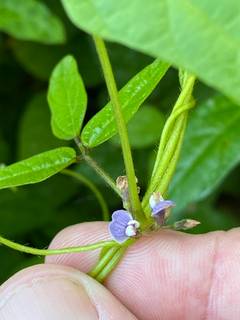
Glycine clandestina is a slender twining perennial in the pea family (Fabaceae), with thin, wiry stems that twine and scramble over low plants to 1.5-3 feet (0.5-1 m). The leaves are divided into three narrow leaflets, each 0.4-1.6 inches (1-4 cm) long, on slender stalks. From spring into summer it bears small pea flowers about 0.2-0.4 inch (5-10 mm) long, pale mauve to purple with a paler centre, held singly or in short sprays. Narrow flattened pods 0.8-1.6 inches (2-4 cm) long follow and split to release several seeds. It grows across much of Australia, in open forest, woodland, and grassland in all states, on a wide range of soils. As a legume it fixes nitrogen through root nodules and is a food plant for the larvae of several native butterflies. The thin stems are light and twine without smothering their supports. It tolerates drought and light frost once established but dies back in hard frost, reshooting from the base. Growth is sparse and easily lost among taller plants. In rich, moist soil the plant grows leggy and produces fewer flowers.
Native Range
Glycine clandestina is native across Australia, occurring in every state, from coastal districts to inland ranges. It grows in open forest, woodland, and grassland on a wide range of soils.Suggested Uses
Grown in native and habitat gardens as a light groundcover or scrambler through low shrubs, and to support native butterflies as a larval food plant. It suits informal bush-garden and revegetation plantings. The thin stems weave through grasses and open shrubbery.How to Identify
Appearance
Size & Dimensions
Height1'6" - 3'
Width/Spread1'6" - 3'
Bloom Information
Small mauve to purple pea flowers open from spring into summer, roughly September to January in the native range. Flowering is scattered along the twining stems over several weeks. Narrow pods follow and ripen by late summer.
Detailed Descriptions
Flower Description
mauve to purpleFoliage Description
greenGrowing Conditions
Sun Requirements
Requires 4-8 hours of direct sunlight daily
• Full Sun: 6+ hours of direct sunlight
• Partial Shade: 3-6 hours of direct sunlight
• Full Shade: Less than 3 hours of direct sunlight
Care & Maintenance
Care Guide
Grow in full sun to part shade in free-draining soil, with low shrubs or a light frame for the stems to twine through. Water during establishment, after which the plant tolerates dry periods. As a phosphorus-sensitive legume, it needs little or no fertiliser. Rich, moist soil produces leggy growth with fewer flowers. The plant dies back in hard frost and reshoots from the base in spring. Self-sown seedlings appear in open ground and are easily moved while young.Pruning
Pruning is rarely needed. Stems can be trimmed after flowering to limit spread or tidy the support. The plant reshoots from the base, so it recovers from cutting back in spring.Container Growing
Suitable for container growing