Image 1 of 3
1 / 3
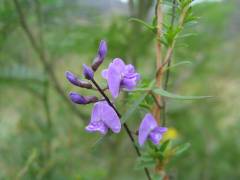
© John Tann from Sydney, Australia, some rights reserved (CC-BY) · Wikimedia Commons
Glycine, Genus, spp., Multiple species,
- Genus
- Multiple species
soybeans
Overview
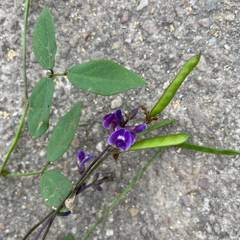
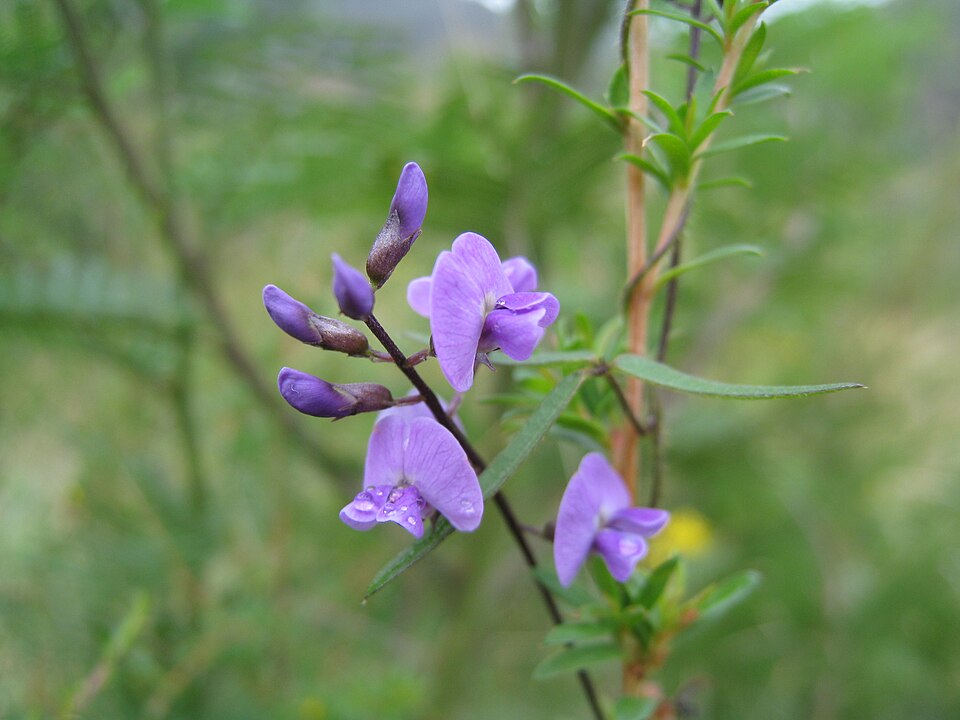
Glycine is a genus of about 25 legumes in the pea family, Fabaceae, that includes the cultivated soybean, G. max, one of the world's major food and oilseed crops. The genus also includes wild perennial relatives, most of them twining herbs native to Australia, with others in East Asia, Africa, and the Pacific. Soybean is an erect, bushy annual 12-60 inches (30-150 cm) tall, while the wild perennial species scramble and climb over other vegetation. All carry trifoliate leaves and small pea-shaped flowers in white, pink, or purple, followed by hairy pods holding one to several seeds. Like other legumes, Glycine fixes nitrogen through root nodules and improves soil fertility. Soybean seeds are processed into oil, meal, tofu, and many other products, but the raw beans contain compounds that must be removed by cooking or processing before they are eaten. Wild species are studied as genetic resources for breeding disease resistance into the crop.
Native Range
East Asia is the origin of cultivated soybean, domesticated from the wild G. soja. Most wild perennial species are native to Australia, with others in East and Southeast Asia, Africa, and the Pacific islands.Suggested Uses
Glycine is grown chiefly as an agricultural crop for soybeans used in oil, animal feed, tofu, and many processed foods, and as a green manure and cover crop that fixes nitrogen. Wild perennial species are maintained in research and breeding collections. Soybean is sometimes grown in vegetable gardens as edamame, harvested young.How to Identify
Appearance
Size & Dimensions
Height1' - 6'
Width/Spread1' - 2'
Bloom Information
Soybean flowers in summer, with timing governed by day length, so varieties are matched to particular latitudes. The small white to purple pea flowers are self-pollinating and are followed within weeks by developing pods. Wild perennial species also flower in the warm season, over a longer and less synchronized period.
Detailed Descriptions
Flower Description
White, pink, or purpleFoliage Description
GreenGrowing Conditions
Sun Requirements
Requires 6-12 hours of direct sunlight daily
• Full Sun: 6+ hours of direct sunlight
• Partial Shade: 3-6 hours of direct sunlight
• Full Shade: Less than 3 hours of direct sunlight