Gaylussacia, Genus, spp., Multiple species,
- Genus
- Multiple species
huckleberries
Eastern North America and Andean South America
Overview
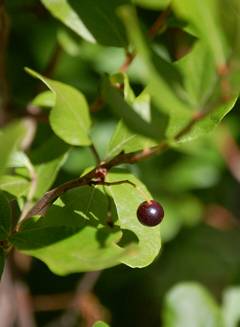
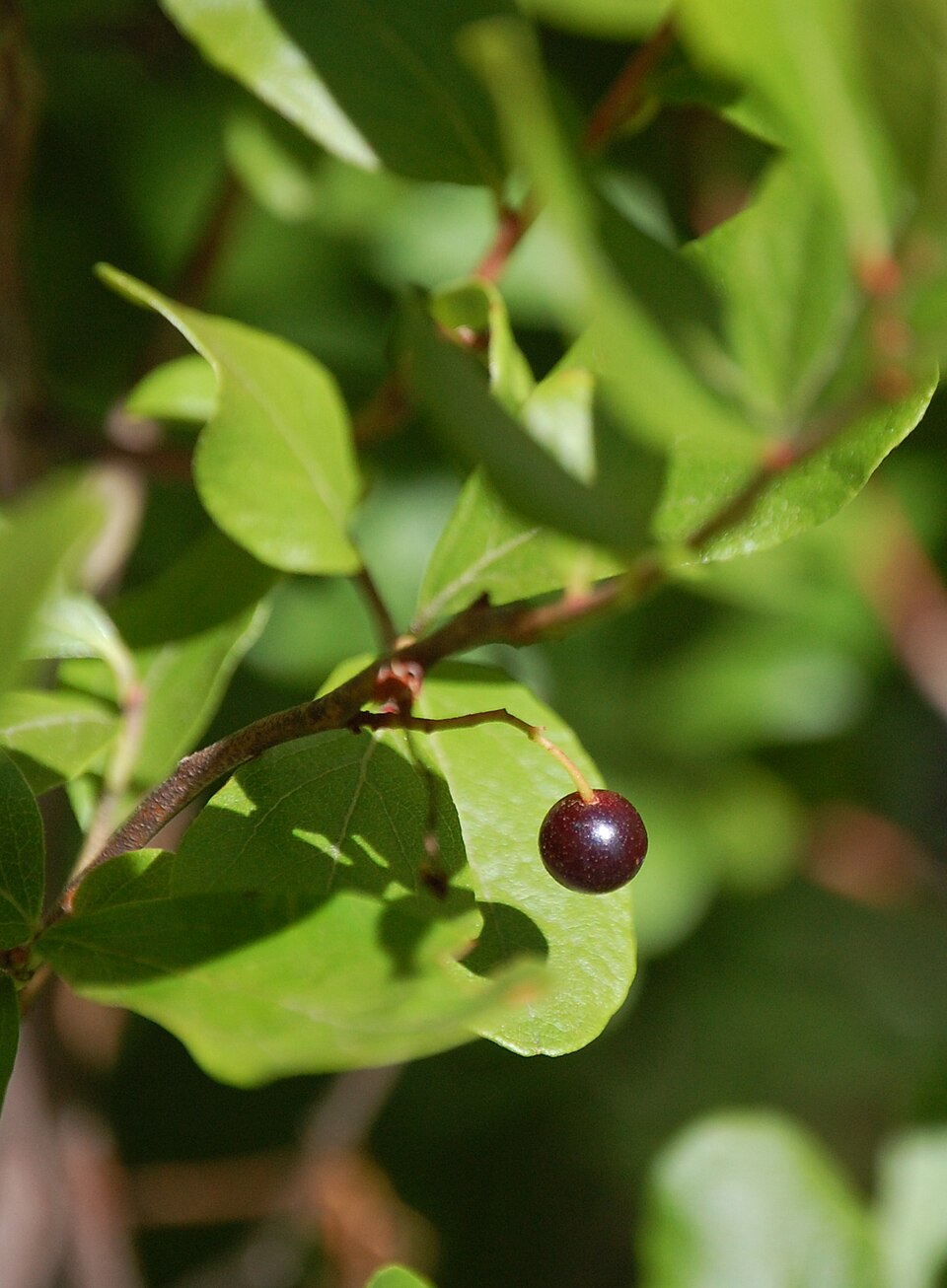
Gaylussacia is a genus of about 50 species of deciduous and evergreen shrubs in the family Ericaceae, native to the Americas. The center of diversity lies in eastern North America and in the Andes of South America, with species ranging from low, colony-forming shrubs to upright forms 1-6 ft (0.3-1.8 m) tall. Stems are slender and branching, often spreading by rhizomes to form broad colonies. The leaves are alternate, simple, 1-2.5 in (2.5-6 cm) long, and frequently dotted beneath with resinous glands; in deciduous species they turn red to bronze in autumn. Urn- or bell-shaped flowers, 0.2-0.3 in (5-8 mm) long, hang in short clusters in spring and range from white through pink to deep red. The flowers are followed by rounded berry-like drupes 0.2-0.4 in (5-10 mm) across that ripen blue-black or sometimes red, each holding ten hard nutlets. The fruit of several species, including G. baccata, is edible and gathered as huckleberries. Most species require acidic, moist soil and decline on alkaline or compacted ground. Plants grow slowly and re-establish poorly after root disturbance.
Native Range
Gaylussacia is native to the Americas, with the greatest concentration of species in eastern North America from Canada to the Gulf Coast and a second center in the Andes of South America. Species grow in acidic habitats such as pine and oak woodlands, heaths, bogs, and rocky slopes.Suggested Uses
Gaylussacia is used in naturalistic and woodland plantings, on acidic banks, and in native shrub borders and heath gardens. Fruiting species such as G. baccata are grown in edible landscapes and wildlife plantings, where the berries feed birds and mammals. Low colony-forming species are used as informal groundcover on acidic soils.How to Identify
Appearance
Size & Dimensions
Height1' - 6'
Width/Spread2' - 5'
Bloom Information
Gaylussacia flowers in spring, generally April to June depending on species and latitude, before or as the leaves expand. The urn-shaped flowers open over two to three weeks in short clusters along the previous year wood. Fruit ripens through summer, from July to September.
Detailed Descriptions
Flower Description
white, pink, to deep redFoliage Description
greenGrowing Conditions
Sun Requirements
Requires 4-8 hours of direct sunlight daily
• Full Sun: 6+ hours of direct sunlight
• Partial Shade: 3-6 hours of direct sunlight
• Full Shade: Less than 3 hours of direct sunlight
Care & Maintenance
Care Guide
Grow Gaylussacia in acidic, moist, humus-rich soil that drains freely, since most species fail on alkaline or heavy compacted ground. Plants take full sun to partial shade, with sun yielding heavier fruiting and shade suiting woodland-edge species. A mulch of pine needles or leaf litter keeps the shallow roots cool and evenly moist, as they dry out quickly. Plants spread by rhizomes and form colonies over time, so lateral room is needed. Established plants take little feeding, and a light application of an acidifying fertilizer in spring is enough. Root disturbance and transplanting are poorly tolerated once plants are settled.Pruning
Prune Gaylussacia in late winter while dormant, taking out dead, weak, or crowded stems at the base to renew the colony. Older colonies are rejuvenated by cutting a portion of the oldest stems to ground level each year. Little routine shaping is needed.Container Growing
Suitable for container growing
Minimum container size: 5 gallons