Galeopsis, Genus, bifida, Species,
- Genus & species
bifid hemp-nettle
SunFull Sun – Part Shade
WaterMedium
Overview
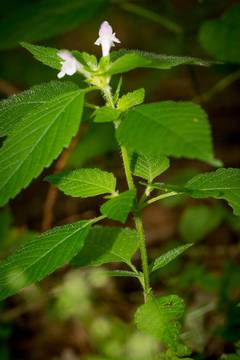
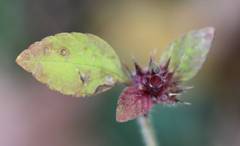
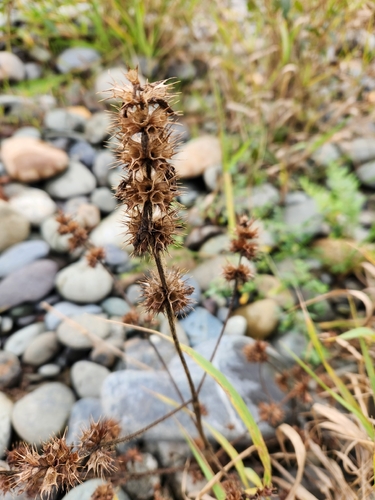
Galeopsis bifida is an erect annual in the Lamiaceae, growing 4–40 inches (10–100 cm) tall on square stems that are swollen at the nodes and clothed in stiff, downward-pointing bristly hairs. The opposite leaves are ovate to lance-shaped, 1–4 inches (2.5–10 cm) long, coarsely toothed, and softly hairy. Two-lipped flowers, about 0.5 inch (13 mm) long, are borne in dense whorls in the upper leaf axils; they are pink-purple, sometimes white or pale yellow, with darker markings on a lower lip whose central lobe is deeply notched, the feature that names the plant. Flowering runs from July to September, followed by hard, three-angled nutlets. It grows on arable land, waste ground, woodland clearings, and stream banks across Europe and temperate Asia. As a fast-cycling annual it relies on heavy seed production and can become a persistent weed of crops and disturbed ground. Plants die back fully after setting seed and persist only through the seed bank.
Native Range
Native across Europe and temperate Asia, on arable land, waste ground, woodland clearings, and stream banks. It is widespread on disturbed, moderately fertile soils.Suggested Uses
Grown occasionally in wildflower and pollinator plantings on disturbed ground, where the whorled flowers draw bees. It also appears in conservation and arable-margin seed mixes.How to Identify
Appearance
Size & Dimensions
Height4" - 3'4"
Width/Spread6" - 1'6"
Bloom Information
Whorls of pink-purple flowers open from July to September in the upper leaf axils. Flowering continues over many weeks as the stem extends, and hard nutlets ripen from late summer.
Detailed Descriptions
Foliage Description
greenGrowing Conditions
Sun Requirements
Requires 4-8 hours of direct sunlight daily
• Full Sun: 6+ hours of direct sunlight
• Partial Shade: 3-6 hours of direct sunlight
• Full Shade: Less than 3 hours of direct sunlight
Water & Climate
Water Needs
Care & Maintenance
Care Guide
Grows in full sun to light shade on moist, moderately fertile, disturbed soils. Water needs are moderate, and the plant tolerates a range of soils but favours open, cultivated ground. Seed is sown directly in spring, as the plant germinates readily on bare soil. It self-sows freely, and seedlings can be hoed out where unwanted. No feeding is needed on average soils. As an annual it dies after seeding and needs no winter care.Pruning
No pruning is needed for this annual. Flowering stems can be cut before seed sets to limit spread. Whole plants are removed once they brown and die at the end of the season.Toxicity
Non-toxicPlanting Guide
Planting Methods & Timing
Planting Method
direct sow
Direct Sow Timing
spring
Plant Spacing
10 inches