Galeopsis, Genus, spp., Multiple species,
- Genus
- Multiple species
Hempnettles
SunFull Sun – Part Shade
WaterMedium
Overview
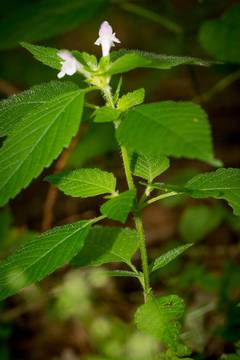
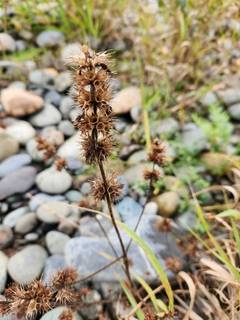
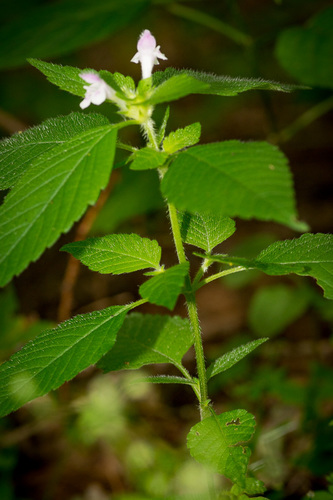
Galeopsis is a genus of about ten species of annual herbs in the mint family (Lamiaceae), known as hempnettles, native to Europe and temperate Asia. Most are plants of disturbed and cultivated ground, and several are widespread weeds of arable fields, roadsides, and waste places. Plants have square stems that are often swollen and bristly at the nodes, with opposite, coarsely toothed leaves that resemble those of nettle or hemp. Stiff, sometimes prickly hairs cover the stems. The two-lipped flowers are 0.5-1.2 inches (12-30 mm) long, carried in dense whorls in the upper leaf axils, in pink, purple, yellow, or white, the lower lip often patterned with darker markings and a notched or three-lobed shape. Flowering runs from summer into early autumn, and each plant produces large numbers of hard, four-parted seeds. Plants grow 8-40 inches (20-100 cm) tall depending on species and conditions. G. tetrahit and G. speciosa are the species most frequently encountered. Because the genus self-seeds heavily and colonizes bare soil, several species are treated as agricultural weeds and are regulated in parts of North America.
Native Range
The genus is native to Europe and temperate Asia, from the British Isles and Scandinavia east across Russia to Siberia and the Caucasus. Several species have naturalized in North America, where they grow as weeds of grain fields, gardens, and disturbed ground.Suggested Uses
Hempnettles are seldom planted as ornamentals and are most often encountered as weeds of fields, gardens, and waste ground. The flowers are visited by bees and other pollinators, and the seeds feed finches and other seed-eating birds. In a few wildflower and pollinator settings the showier G. speciosa is grown for its yellow and purple bloom.How to Identify
Appearance
Size & Dimensions
Height8" - 3'4"
Width/Spread6" - 1'6"
Bloom Information
Flowering runs from early summer into autumn, with whorls of bloom opening in succession up the stem. Individual flowers last a few days, and a single plant flowers over many weeks while continuing to grow. Seed set follows quickly, so flowers and ripe seeds are often present together.
Detailed Descriptions
Flower Description
pink, purple, yellow, or whiteFoliage Description
greenGrowing Conditions
Sun Requirements
Requires 4-8 hours of direct sunlight daily
• Full Sun: 6+ hours of direct sunlight
• Partial Shade: 3-6 hours of direct sunlight
• Full Shade: Less than 3 hours of direct sunlight
Water & Climate
Water Needs
Care & Maintenance
Care Guide
Galeopsis species grow in full sun to part shade in moist, fertile, often acidic soils with a pH of 5.0-7.0 and favor disturbed, nitrogen-rich ground. They grow as annuals, germinating in spring, flowering in summer, and dying after setting seed in autumn. Plants tolerate a range of soils but grow largest in damp, cultivated ground. Because they self-seed heavily and spread into crops and beds, they are usually managed as weeds rather than cultivated, and seedlings are hoed or pulled before they flower. Aphids and powdery mildew occur but rarely limit the plants. Several species are listed as noxious weeds, so planting is restricted in some regions.Pruning
As short-lived annual weeds, hempnettles need no pruning. Plants are cut down or pulled before the seeds ripen to limit spread into surrounding ground. Removing the whole plant at flowering prevents the large seed set that follows.Toxicity
Non-toxicPlanting Guide
Planting Methods & Timing
Planting Method
direct sow
Direct Sow Timing
Early spring; self-sows readily once established
Days to Maturity
60–90 days
Plant Spacing
12 inches