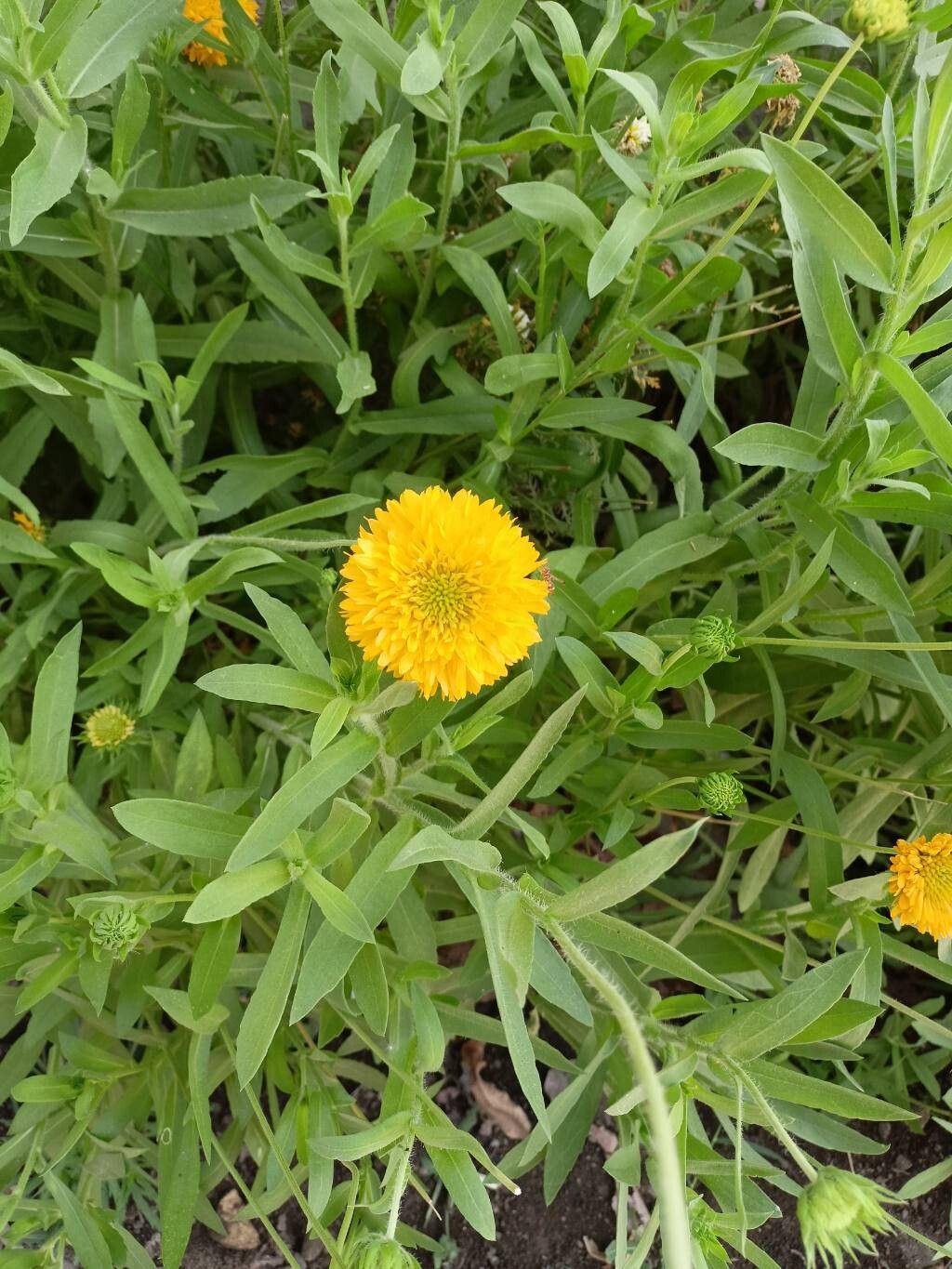
Gaillardia, Genus, spp., Multiple species,
- Genus
- Multiple species
blanketflowers
Overview
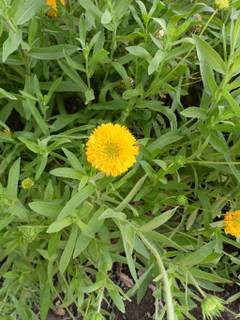
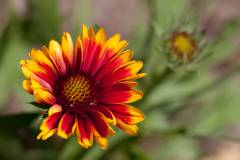
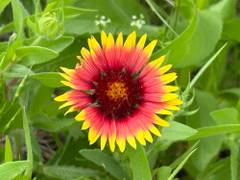
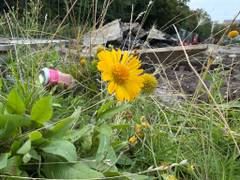
Gaillardia is a genus of about 25 species of annual and perennial flowering plants in the daisy family (Asteraceae), native to North and South America. Plants form clumps 12-36 inches (30-90 cm) tall and 12-24 inches (30-60 cm) wide, with lance-shaped to oblong leaves 2-6 inches (5-15 cm) long that are green to gray-green and often covered in soft hairs. The flower heads measure 2-4 inches (5-10 cm) across, with ray florets banded in red, orange, and yellow surrounding a domed central disc of red-brown to purple. Annual species such as G. pulchella complete their life cycle in one season, while perennial species such as G. aristata and the hybrid G. xgrandiflora persist for several years, though perennial forms are often short-lived and may decline after three to four seasons. Flowering runs from early summer into fall across most of the genus. Plants grow in full sun and tolerate poor, sandy, and dry soils, but perform poorly in heavy clay or wet sites, where crown rot is common. The spherical seed heads release wind- and bird-dispersed seed, and several species self-sow readily and can spread beyond their original planting.
Native Range
Gaillardia species occur across North and South America, with the greatest diversity in the central and western United States and northern Mexico. G. aristata ranges through the northern Great Plains and Rocky Mountains, while G. pulchella occurs across the southern United States into Mexico.Suggested Uses
Gaillardia is used in sunny borders, wildflower meadows, prairie plantings, and gravel or rock gardens. It suits coastal and xeriscape gardens owing to its drought and salt tolerance. Compact forms grow in containers spaced 12-18 inches (30-45 cm) apart.How to Identify
Appearance
Size & Dimensions
Height1' - 3'
Width/Spread1' - 2'
Bloom Information
Most Gaillardia bloom from June through September, with peak flowering in midsummer. In mild-winter regions, scattered flowers continue into late fall. Individual flower heads last one to two weeks, and plants produce blooms continuously when spent heads are removed.
Detailed Descriptions
Flower Description
red, orange, and yellow, often bandedFoliage Description
green to gray-greenGrowing Conditions
Sun Requirements
Requires 6-12 hours of direct sunlight daily
• Full Sun: 6+ hours of direct sunlight
• Partial Shade: 3-6 hours of direct sunlight
• Full Shade: Less than 3 hours of direct sunlight
Care & Maintenance
Care Guide
Gaillardia grows in full sun with at least six hours of direct light daily. Plants require well-drained soil and tolerate sandy, rocky, and nutrient-poor sites; they decline in heavy clay or consistently wet ground, where root and crown rot develop. Established plants are drought-tolerant and need water only during extended dry spells. Rich soils and heavy fertilizer produce floppy growth and fewer flowers. Perennial species are often short-lived, declining after three to four years. Plants self-sow freely, and seedlings transplant readily in spring.Pruning
Spent flower heads can be removed through the season to extend bloom. Perennial species cut back by half in late summer produce a second flush of flowers and set less seed. Seed heads left in place feed birds and allow self-sowing.Container Growing
Suitable for container growing