Image 1 of 14
1 / 14
Plant Reference
Gaillardia, Genus, aristata, Species,
- Genus & species
blanketflower
Western Great Plains and Rocky Mountain region of North America
Overview
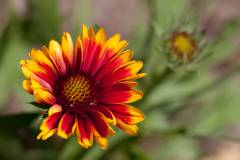
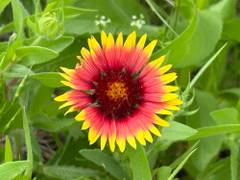
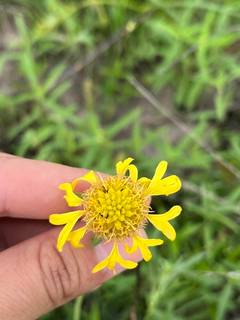
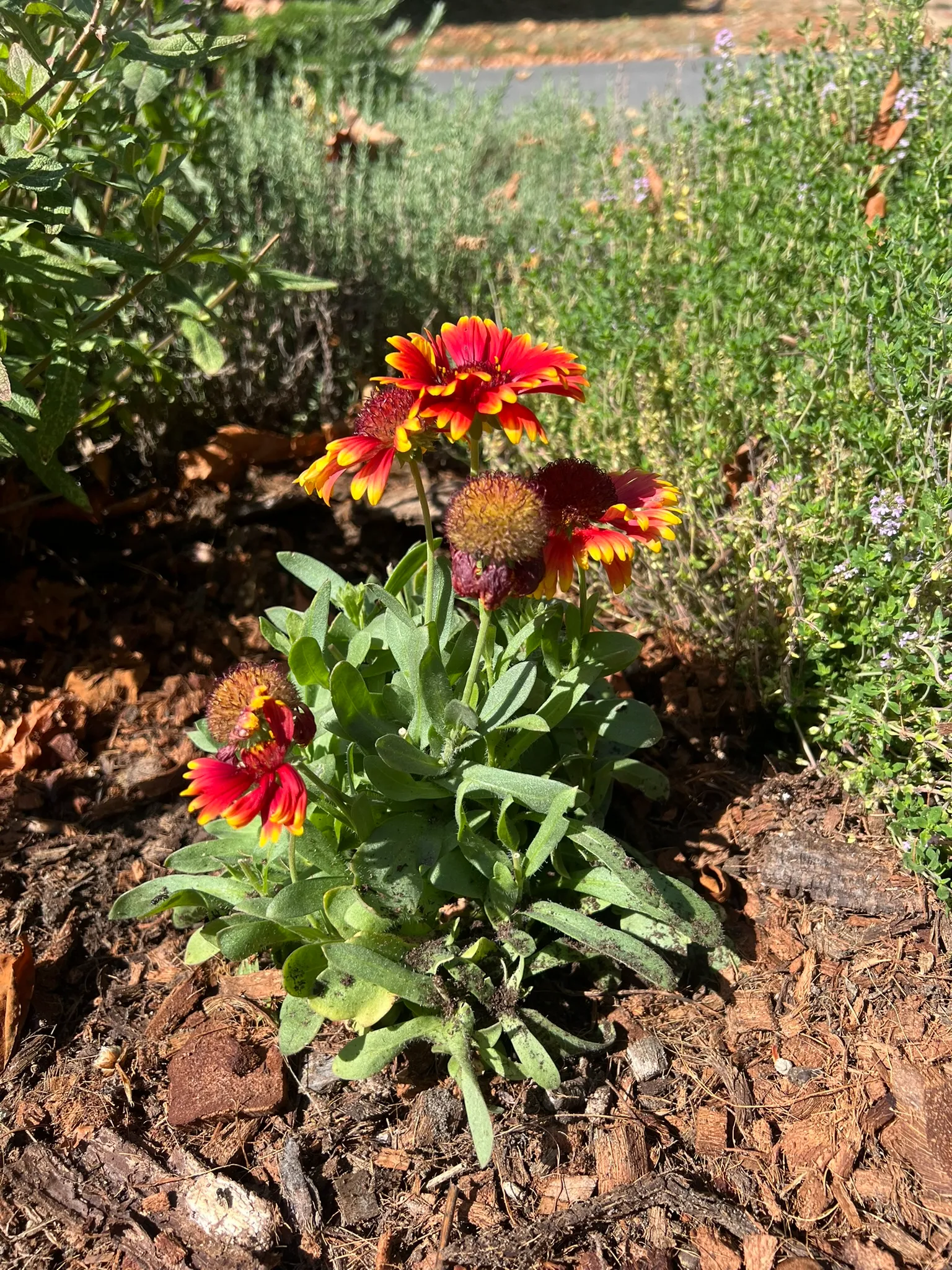
Gaillardia aristata is a clump-forming perennial reaching 18-30 inches (45-75 cm) tall and 18-24 inches (45-60 cm) wide, with erect to sprawling branched stems covered in stiff hairs. Leaves are lance-shaped to spoon-shaped, 2-6 inches (5-15 cm) long, gray-green, with wavy to shallowly toothed margins; stem leaves are alternate and clasping. Flower heads are solitary on long stems, 2.5-3.5 inches (6-9 cm) across, with ray florets notched at the tip in yellow, often with a red-orange to red zone at the base, surrounding a prominent domed disc of maroon-red to purple-brown tubular florets. Wild forms vary from nearly all-yellow to strongly bicolor; garden selections typically emphasize the bicolor pattern. Flowering spans late spring through fall with deadheading. Native to open prairies, grasslands, and rocky slopes of the western Great Plains and Rocky Mountain region of North America. Hardy in USDA zones 3-8. Lifespan is short: clumps commonly decline after 2-3 years, which requires division, self-seeding, or replacement to maintain the planting. Wet or rich soils accelerate decline.
Native Range
Gaillardia aristata is native to the grasslands, prairies, and open rocky slopes of the western Great Plains and Rocky Mountain region of North America, from British Columbia and Alberta south through Montana, Wyoming, Colorado, and the northern Great Plains, in well-drained lean soils in open sunny habitats.Suggested Uses
Planted in prairie-style plantings, dry borders, xeriscape beds, and meadow gardens at 18-24 inch (45-60 cm) spacing. Cut stems hold 7-10 days in water. Butterflies and native bees use the flowers across the long bloom season. The species tolerates lean, dry, and rocky soils that limit many perennials, which suits it to zones 3-7 xeric plantings. Wet, rich, or heavy-clay sites are outside the use range because plants decline rapidly in those conditions.How to Identify
Appearance
Size & Dimensions
Height1'6" - 2'6"
Width/Spread1'6" - 2'
Bloom Information
Solitary bicolor daisy-like flower heads 2.5-3.5 inches (6-9 cm) across borne from late May through October in most temperate climates, with peak flowering June through August. Deadheading spent flower heads prolongs bloom by 2-3 weeks. In zones 7-8, bloom can begin in April. Individual flower heads last 2-3 weeks on the plant.
Detailed Descriptions
Flower Description
Ray florets yellow at tip grading to red-orange at the base, notched tips; domed maroon-red to brown central disc; solitary heads 2.5-3.5 inches (6-9 cm); late May-OctoberFoliage Description
Gray-green; lance-shaped to spoon-shaped 2-6 inches (5-15 cm); stiffly hairy; wavy to shallowly toothed margins; deciduousGrowing Conditions
Sun Requirements
Requires 6-12 hours of direct sunlight daily
• Full Sun: 6+ hours of direct sunlight
• Partial Shade: 3-6 hours of direct sunlight
• Full Shade: Less than 3 hours of direct sunlight
Care & Maintenance
Care Guide
Grows in full sun in lean to average sharply drained soil at pH 6.0-8.0. Hardy to USDA zone 3. Sharp drainage determines longevity; plants rot in wet or heavy clay soils, particularly over winter. Fertilization reduces vigor and lifespan because rich conditions produce floppy growth and shorten the already-short perennial lifespan. A cutback to one-third in early July after the first main flush stimulates branching and a second flush of bloom. Division every 2-3 years in early spring rejuvenates clumps, and self-seeding supplements the planting where seedlings are allowed to develop. In humid or wet climates, plants behave as 2-3 year perennials and replacement is planned accordingly.Pruning
Deadheading is by cutting spent flower heads back to the next lateral bud to extend the long bloom season. A cutback by one-third in early July after the first main flush stimulates rebloom. Stems are cut to 4-6 inches (10-15 cm) in late fall or early spring without cutting into the crown.Pruning Schedule
Prune: July & October
summerfall
Container Growing
Suitable for container growing
Minimum container size: 3 gallons