Filipendula, Genus, spp., Multiple species,
- Genus
- Multiple species
meadowsweet
Temperate Northern Hemisphere: Europe, Asia, and North America
Overview
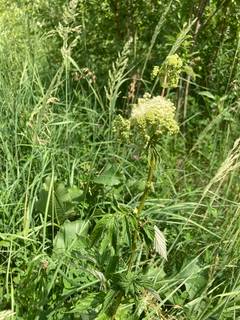
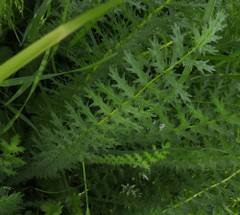
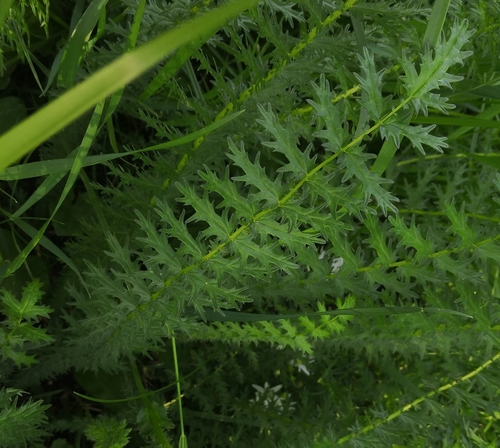
Filipendula is a genus of about a dozen species of clump-forming herbaceous perennials in the rose family (Rosaceae), distributed across the temperate Northern Hemisphere in Europe, Asia, and North America. Plants grow from woody rhizomes or, in F. vulgaris, fibrous root tubers, forming basal clumps of pinnate or palmately lobed leaves with toothed leaflets. Foliage height ranges from 1 to 4 feet (0.3-1.2 m), while flowering stems reach 1 to 8 feet (0.3-2.5 m) depending on species, the tallest being F. rubra, queen-of-the-prairie. In early to midsummer the stems carry large, branched, frothy clusters of many tiny five-petalled flowers in white, cream, or pink, each cluster 4-10 inches (10-25 cm) wide and lightly scented. The seed heads that follow are small, dry, and persistent. Most species grow in damp meadows, stream banks, and open woodland and need consistently moist soil; F. vulgaris differs in tolerating drier, chalky ground. Foliage of F. ulmaria contains salicylates and has a long history of herbal use, but the genus grows poorly in hot, dry sites, where leaf margins scorch.
Native Range
Filipendula is native across the temperate Northern Hemisphere, including Europe, temperate and eastern Asia, and North America. North American species include F. rubra of moist prairies and F. occidentalis of the Pacific Northwest, while F. ulmaria and F. vulgaris are European and Asian.Suggested Uses
Filipendula is grown in moist and bog gardens, rain gardens, pond and stream margins, and damp mixed borders, and the taller species suit naturalistic meadow plantings. F. ulmaria and its golden-leaved and double forms are also used in herb gardens. The plants combine with other moisture-loving perennials such as Astilbe and Iris.How to Identify
Appearance
Size & Dimensions
Height1' - 8'
Width/Spread1'6" - 4'
Bloom Information
Flowering occurs in early to midsummer, generally June to August depending on species and climate. The massed tiny flowers are lightly fragrant and draw bees, hoverflies, and other small pollinators. Bloom lasts several weeks, after which dry seed clusters remain into autumn.
Detailed Descriptions
Flower Description
white, cream, or pinkFoliage Description
greenGrowing Conditions
Sun Requirements
Requires 4-8 hours of direct sunlight daily
• Full Sun: 6+ hours of direct sunlight
• Partial Shade: 3-6 hours of direct sunlight
• Full Shade: Less than 3 hours of direct sunlight
Care & Maintenance
Care Guide
Filipendula grows in full sun to part shade, and most species need consistently moist to wet, fertile soil, growing well at pond margins and in damp borders. F. vulgaris is the exception, tolerating drier, alkaline ground. Plants are long-lived once established and spread slowly by rhizomes to form broad clumps. In hot regions the foliage scorches if the soil dries, so partial shade and reliable moisture reduce leaf burn. Clumps are divided in spring or autumn to renew vigor or make new plants. Powdery mildew and rust can appear on stressed or crowded foliage.Pruning
Spent flower stems are cut back after bloom to keep clumps tidy, and some growers remove the flower heads before seed sets to limit self-sowing. Foliage is cut to the ground in late autumn or left to shelter the crown over winter. Dividing congested clumps every few years maintains flowering.Container Growing
Suitable for container growing
Minimum container size: 3 gallons