Eysenhardtia, Genus, spp., Multiple species,
- Genus
- Multiple species
kidneywood
South-western United States, Mexico, Central America
Overview
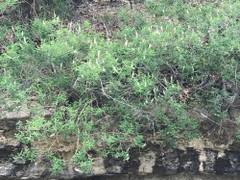
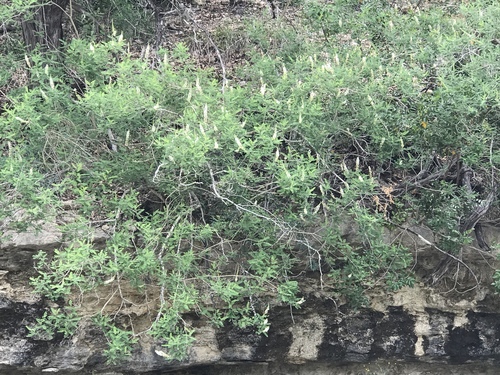
Eysenhardtia is a genus of about twelve species of aromatic shrubs and small trees in the pea family, Fabaceae, native to the south-western United States, Mexico, and Central America. Plants reach 6-20 feet (1.8-6 m) tall and nearly as wide, with slender, spreading branches and pinnately compound leaves made up of many small leaflets that release a citrus-like scent when crushed. From late spring through autumn, small white flowers are crowded into slender spikes 1-4 inches (2.5-10 cm) long at the branch tips, often flushing again within days of summer rain. The flowers are fragrant and draw bees and butterflies. Small flat pods follow, each curving slightly and holding one or two seeds. E. texana and E. orthocarpa are the species grown in gardens, both tolerant of heat, drought, and alkaline rocky soils. The wood of some species yields a fluorescent compound that colours water blue, a property recorded historically and giving rise to the Spanish name palo azul. Plants are deciduous, dropping their leaves in winter or in severe drought, and grow on limestone hills, desert grassland, and dry slopes. They are short-lived on heavy, wet soils.
Native Range
Eysenhardtia is native to the south-western United States, from Texas and Arizona through Mexico to Central America, growing on limestone hills, desert grassland, and dry rocky slopes.Suggested Uses
Grown in water-wise, native, and pollinator gardens, and as an informal screen or specimen in hot, dry climates. The fragrant summer flowers draw bees and butterflies into the garden. It is also used for erosion control on dry rocky slopes.How to Identify
Appearance
Size & Dimensions
Height6' - 20'
Width/Spread6' - 15'
Bloom Information
Flowering runs from late spring through autumn, mainly May to October, with flushes of white flower spikes following summer rains. Individual spikes last one to two weeks, and repeat flushes extend the season. The fragrant flowers draw bees and butterflies.
Detailed Descriptions
Foliage Description
greenGrowing Conditions
Sun Requirements
Requires 6-12 hours of direct sunlight daily
• Full Sun: 6+ hours of direct sunlight
• Partial Shade: 3-6 hours of direct sunlight
• Full Shade: Less than 3 hours of direct sunlight
Care & Maintenance
Care Guide
Grow in full sun on well-drained sandy, gravelly, or rocky soil, including alkaline and limestone ground. The genus is heat- and drought-tolerant once established and needs only occasional deep watering in extended dry spells. Soil pH from about 6.5 to 8.0 suits these species. Heavy, poorly drained soils shorten the plant life and cause root rot. E. texana is hardy to about USDA zone 7, dying back in hard winters and resprouting, while desert species are more frost-tender. Little fertiliser is needed, as the genus fixes nitrogen through its roots.Pruning
Prune in late winter to shape the plant and remove dead or crossing branches before new growth. Light trimming after a flowering flush encourages branching and repeat bloom. Plants that freeze back resprout from the base and are cut to live wood in spring.Pruning Schedule
Prune: February–March
winterearly spring