Eutaxia, Genus, spp., Multiple species,
- Genus
- Multiple species
eutaxia
Australia (mainly south-western Western Australia)
Overview
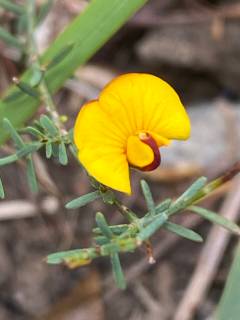
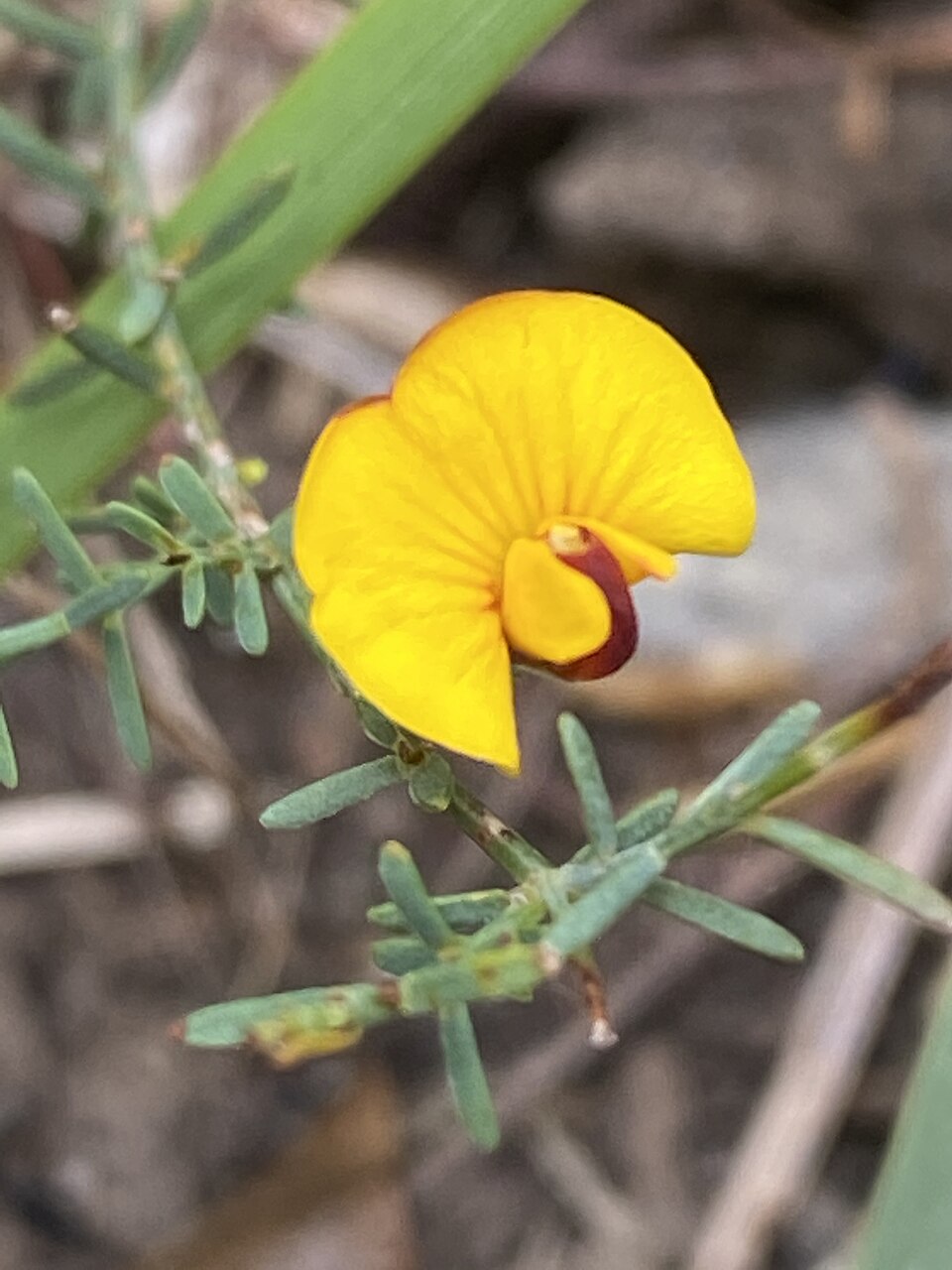
Eutaxia is a genus of about ten species of evergreen shrubs in the pea family, Fabaceae, native to Australia and concentrated in the south-west of Western Australia. Growth forms range from low, prostrate, spreading mats to upright shrubs 6 inches to 6 feet (15-180 cm) tall and as much across. The small leaves are often opposite or crowded, narrow to wedge-shaped, 0.1-0.5 inch (3-12 mm) long, sometimes ending in a short point. Pea-shaped flowers, about 0.3-0.5 inch (8-12 mm) long, line the stems singly or in small clusters and are yellow to orange with red or brown markings on the standard petal, opening mainly in spring. Short pods follow, each holding a few hard-coated seeds that persist in the soil. E. microphylla is the most widespread species, ranging across southern Australia in heath and mallee, while several narrow-range species are confined to Western Australia. The genus grows on sandy and gravelly soils with sharp drainage and tolerates dry summers once established. Plants are short-lived in cultivation and decline in heavy, poorly drained soils. Hard frost damages the more tender species.
Native Range
Eutaxia is native to Australia, with most species in the south-west of Western Australia and a few, such as E. microphylla, extending across southern Australia in heathland and mallee shrubland.Suggested Uses
Grown in native and water-wise gardens, rockeries, and embankment plantings on sandy soils. Prostrate forms are used as low ground cover, while upright species suit mixed native shrub borders. The spring pea flowers draw native bees.How to Identify
Appearance
Size & Dimensions
Height6" - 6'
Width/Spread1' - 6'
Bloom Information
Flowering occurs mainly in spring, roughly August to November in the native range, when yellow to orange pea flowers crowd the stems. The markings on the standard petal range from red to brown. Native bees are the main pollinators.
Detailed Descriptions
Flower Description
yellow to orange with red or brown markingsFoliage Description
green to grey-greenGrowing Conditions
Sun Requirements
Requires 6-10 hours of direct sunlight daily
• Full Sun: 6+ hours of direct sunlight
• Partial Shade: 3-6 hours of direct sunlight
• Full Shade: Less than 3 hours of direct sunlight
Care & Maintenance
Care Guide
Grow in full sun on sandy, gravelly, or loamy soil with sharp drainage. The genus suits dry-summer climates and is prone to root collapse where the soil stays wet for long periods. Soil pH from about 5.5 to 7.0 is tolerated, with most species favouring slightly acidic ground. Water lightly to establish, then only in extended drought, as established plants are drought tolerant. Light frost is tolerated, but hard freezes damage the more tender Western Australian species, limiting reliable outdoor culture to zones 9 to 10. Plants are often short-lived and are replaced every several years.Pruning
Light pruning after flowering keeps the shrub compact and encourages branching. Older woody stems respond poorly to hard cutting, so renewal is by light, regular trimming rather than severe cutback. Spent flowering stems are tipped back to shape the plant.Pruning Schedule
Prune: November–December
late spring
Container Growing
Suitable for container growing
Minimum container size: 3 gallons