Eulobus, Genus, spp., Multiple species,
- Genus
- Multiple species
suncup
South-western North America (California, Arizona, Nevada, Baja California)
SunFull Sun
Overview
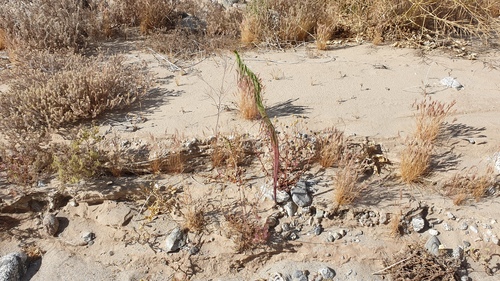
Eulobus is a genus of three or four annual herbs in the evening primrose family, Onagraceae, native to the deserts and dry slopes of south-western North America. The genus was long included in Camissonia and is distinguished by its tall, wand-like flowering stems and four-petalled yellow flowers. Plants form a basal rosette of pinnately lobed leaves, then send up slender, sparsely branched stems 8 inches to 6 feet (20-180 cm) tall depending on species and rainfall. The flowers, about 0.5-1 inch (1.5-2.5 cm) wide, open near the stem tip in the day, with petals often marked red at the base and fading to reddish as they age. Slender four-angled seed capsules follow, curving outward from the stem. Flowering occurs in spring, from March to May, after winter rains, and the plant dies as the soil dries in early summer. E. californicus, the tallest species at up to 6 feet (180 cm), grows on burned and disturbed ground across the California Floristic Province and adjacent deserts. The genus needs open, sunny ground and sharp drainage, and grows poorly in rich or heavy soils.
Native Range
Eulobus is native to south-western North America, ranging through the deserts and dry foothills of California, Arizona, Nevada, and Baja California in Mexico.Suggested Uses
Grown in desert and native plant gardens, wildflower meadows, and seed mixes for restoration of disturbed and burned land in its native range. The tall flowering stems add height to low desert annual plantings. Self-sowing maintains stands from year to year.How to Identify
Appearance
Size & Dimensions
Height8" - 6'
Width/Spread6" - 1'6"
Colors
Bloom Information
Flowering occurs in spring, mainly March to May, following winter rainfall, with bloom heavier after wet winters. Flowers open during the day and are pollinated by bees. The plant sets seed and dies back as desert soils dry in early summer.
Detailed Descriptions
Flower Description
yellow, aging reddishFoliage Description
green to grey-greenGrowing Conditions
Sun Requirements
Requires 6-12 hours of direct sunlight daily
• Full Sun: 6+ hours of direct sunlight
• Partial Shade: 3-6 hours of direct sunlight
• Full Shade: Less than 3 hours of direct sunlight
Water & Climate
Water Needs
Drought Tolerance
Drought tolerant when established
Care & Maintenance
Care Guide
Sow seed in autumn or late winter in full sun on sandy or gravelly, sharply drained soil. The genus is a winter annual, germinating with cool rains and flowering before summer heat. Water is needed only to establish seedlings; established plants draw on residual soil moisture and tolerate drought. Soil pH from about 6.0 to 7.8 matches the desert substrates of the native range. Rich or heavy, poorly drained soils cause weak, floppy growth. Plants reseed where soil is left undisturbed.Pruning
No pruning is needed for this annual. Plants are pulled after seed set if self-sowing is not wanted. Dried stems left standing release seed for the next season.Toxicity: Not assessed
UnknownPlanting Guide
Planting Methods & Timing
Planting Method
direct sow
Direct Sow Timing
autumn to late winter
Days to Maturity
60–110 days
Plant Spacing
12 inches
Companion Planting
Good Companions